The Zero Waste Movement Small Steps for Big Change
Gusti Ayu Tita P
15 Juli 2026
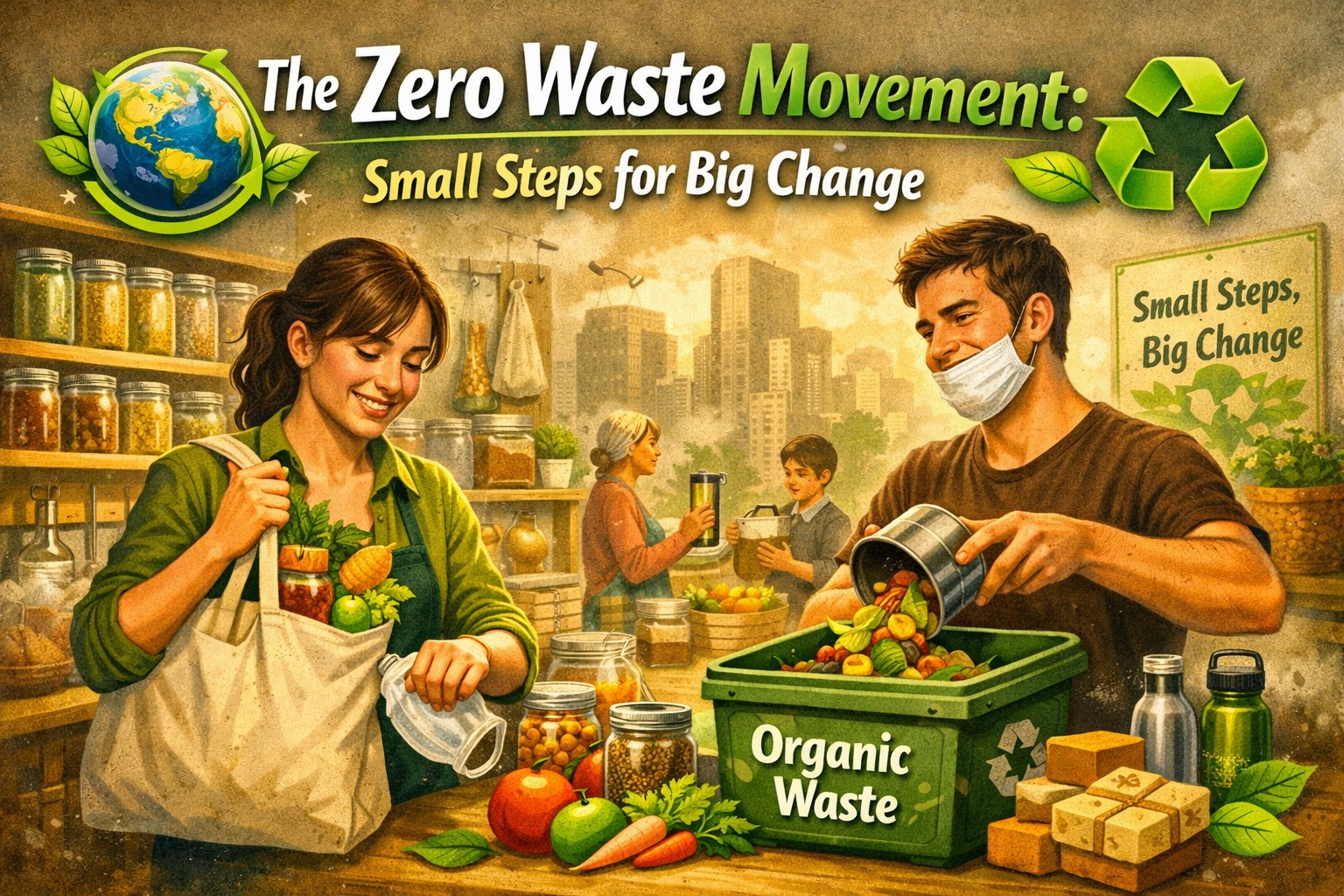
The zero waste movement has grown rapidly over the last decade as more people realize the impact of daily habits on the planet. From plastic packaging to food waste, modern lifestyles generate enormous amounts of trash. The good news is that small, consistent changes can lead to meaningful environmental improvements. This article explores the zero waste concept, its benefits, and simple steps anyone can take to reduce waste.
WHAT IS THE ZERO WASTE MOVEMENT
Zero waste is a lifestyle approach that aims to minimize trash sent to landfills and incinerators. Instead of following the traditional “take, make, dispose” model, zero waste encourages a circular system where resources are reused, repaired, and recycled.
The philosophy is often summarized by the 5R principles:
* Refuse what you do not need
* Reduce what you use
* Reuse what you can
* Recycle what you cannot reuse
* Rot or compost organic waste
These principles guide individuals and communities toward more sustainable consumption habits.
WHY ZERO WASTE MATTERS
Every year, millions of tons of waste end up in landfills and oceans. Plastic pollution harms wildlife, food waste produces greenhouse gases, and overconsumption depletes natural resources. By adopting zero waste habits, individuals can contribute to reducing pollution and conserving resources.
Key benefits include:
* Lower environmental impact
* Reduced household expenses
* Healthier living environment
* Increased awareness of consumption habits
* Support for sustainable businesses
Small changes at home can collectively create large-scale environmental benefits.
SIMPLE ZERO WASTE HABITS TO START TODAY
Starting a zero waste lifestyle does not require perfection. Progress matters more than perfection. Here are practical habits that are easy to adopt.
1. SWITCH TO REUSABLE ITEMS
Replace single-use products with reusable alternatives such as:
* Cloth shopping bags
* Reusable water bottles
* Stainless steel straws
* Glass food containers
* Reusable coffee cups
These simple swaps significantly reduce daily waste.
2. BUY LESS AND CHOOSE WISELY
Mindful shopping plays a major role in reducing waste. Before buying, ask yourself whether you truly need the item. Choose products with minimal packaging and support brands that prioritize sustainability.
Tips for smart purchasing:
* Buy in bulk when possible
* Choose durable products
* Avoid fast fashion
* Repair instead of replacing
3. REDUCE FOOD WASTE AT HOME
Food waste is a major contributor to global waste. Simple steps can dramatically cut down unnecessary waste:
* Plan meals in advance
* Store food properly
* Use leftovers creatively
* Compost organic scraps
Composting turns food scraps into nutrient-rich soil, closing the loop of the waste cycle.
4. CREATE A ZERO WASTE KITCHEN
The kitchen is one of the easiest places to start reducing waste. Focus on eliminating disposable items and maximizing reuse.
Ideas for a low-waste kitchen:
* Use cloth towels instead of paper towels
* Store food in glass jars
* Make homemade cleaning products
* Buy fresh produce without plastic packaging
A zero waste kitchen saves money and reduces environmental impact.
OVERCOMING COMMON ZERO WASTE CHALLENGES
Adopting a new lifestyle can feel overwhelming at first. Many people worry about convenience, cost, and availability. However, zero waste living becomes easier over time as habits develop.
Common challenges and solutions:
* Limited access to bulk stores – buy larger packages and reuse containers
* Higher upfront cost – focus on long-term savings
* Social pressure – inspire others by example
Remember, every small action counts.
THE FUTURE OF ZERO WASTE LIVING
The zero waste movement is no longer a niche trend. Governments, companies, and communities worldwide are adopting sustainability initiatives. As awareness grows, eco-friendly options become more accessible and affordable.
By making conscious choices today, individuals help shape a cleaner and more sustainable future.
CONCLUSION
The zero waste movement proves that small steps can create big change. You do not need to live perfectly waste-free to make a difference. Start with simple swaps, reduce unnecessary consumption, and inspire others to follow. Together, these efforts can protect the planet for future generations.
About the Author
Gusti Ayu Tita P
Author — STEKOM University
An active author focused on academic issues, educational technology, and human resource development in the campus environment.