
Tips for Becoming a Successful Leader in a Campus Student Organization
Gusti Ayu Tita P
11 Juli 2026
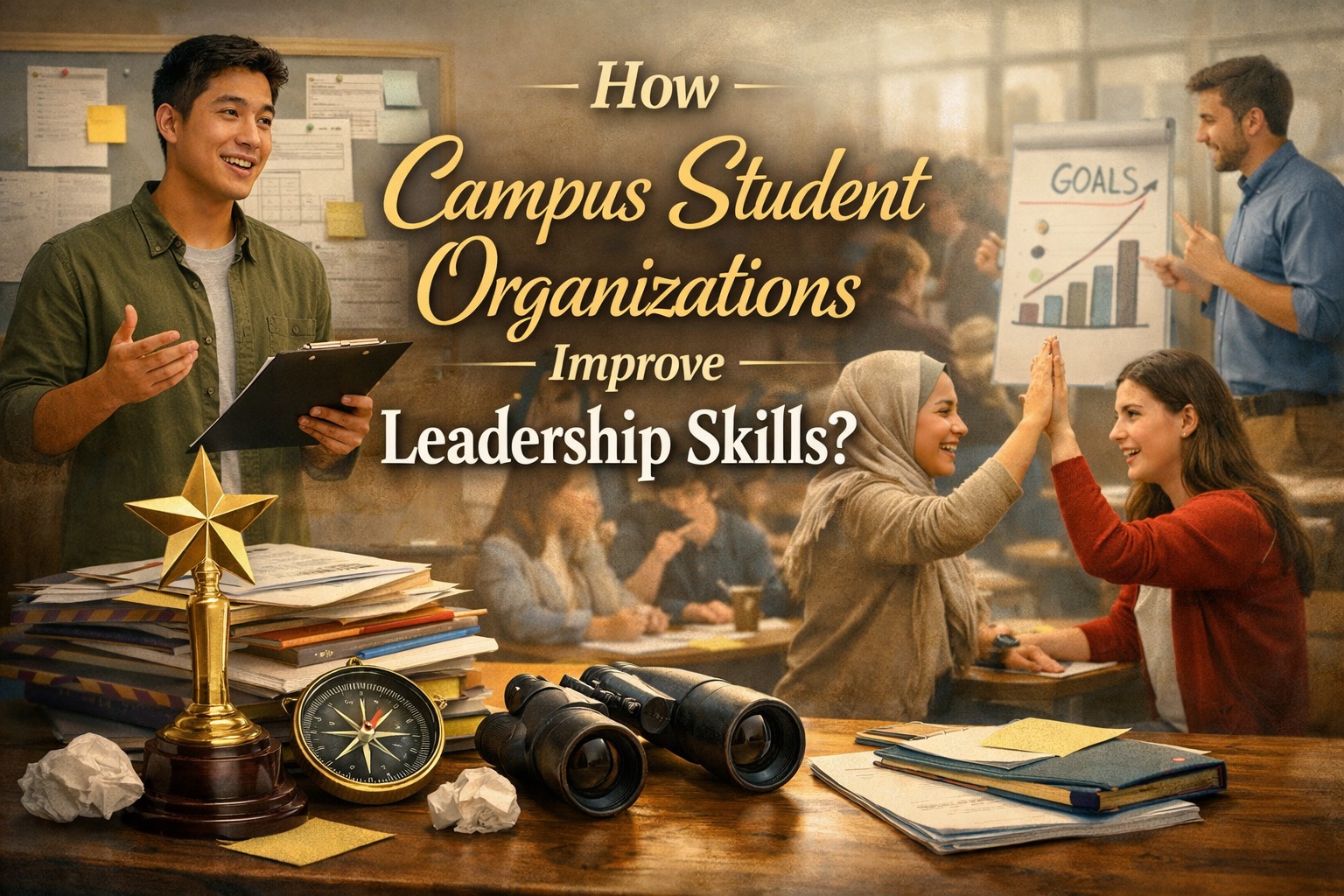
Joining a campus student organization is more than participating in activities. It is an opportunity to develop leadership skills, build professional relationships, and prepare for future careers. A successful student leader can inspire members, manage responsibilities, and create a positive impact on the organization and the campus community.
This article explains the best tips for becoming an effective leader in a campus student organization. By applying these strategies consistently, students can improve their leadership abilities and gain valuable experience for their academic and professional lives.
DEVELOP STRONG COMMUNICATION SKILLS
Communication is one of the most important qualities of a successful leader. Every leader should be able to explain ideas clearly, listen carefully to team members, and provide constructive feedback. Good communication helps reduce misunderstandings and creates a more comfortable working environment.
Leaders should also encourage open discussions where everyone feels confident sharing opinions and suggestions. Respecting different perspectives strengthens teamwork and helps members solve problems more effectively. As a result, the organization becomes more productive and united.
LEAD BY EXAMPLE
A great leader earns respect by demonstrating integrity, discipline, and responsibility in every situation. Members are more likely to follow leaders who consistently complete tasks, arrive on time, and maintain a positive attitude. Actions always have a stronger impact than words.
Leading by example also means accepting mistakes and learning from them. Honest leaders are willing to admit when they are wrong and continuously improve themselves. This attitude encourages members to develop the same sense of accountability and professionalism.
BUILD EFFECTIVE TEAMWORK
No leader can achieve organizational goals alone. Building strong teamwork allows members to combine their different skills, experiences, and ideas to accomplish shared objectives. Collaboration creates better solutions and increases overall performance.
Successful leaders should understand each member's strengths and assign responsibilities fairly. They should also appreciate every contribution and celebrate achievements together. A supportive team culture improves motivation and strengthens long-term commitment within the organization.
IMPROVE TIME MANAGEMENT
Student leaders often balance academic responsibilities, organizational activities, and personal commitments. Therefore, time management is essential for maintaining productivity without becoming overwhelmed. Creating schedules and setting priorities helps leaders complete tasks efficiently.
Delegating responsibilities is another important strategy. Leaders do not need to handle every task themselves because trusting capable team members improves efficiency and develops future leaders. Effective planning also reduces stress during busy periods.
ENCOURAGE CONTINUOUS LEARNING
Leadership is a continuous learning process. Successful leaders actively seek new knowledge through seminars, workshops, leadership training, books, and discussions with experienced mentors. Learning from different sources helps leaders adapt to changing situations.
Receiving feedback from members is equally valuable. Constructive suggestions help leaders recognize their strengths and identify areas for improvement. A willingness to learn demonstrates humility and builds greater trust among team members.
HANDLE CONFLICTS PROFESSIONALLY
Conflicts may arise in any student organization due to differences in opinions, expectations, or working styles. Effective leaders remain calm, listen to every perspective, and focus on finding fair solutions instead of assigning blame. Professional conflict management protects healthy relationships within the team.
Transparency and mutual respect are essential during problem-solving. Leaders should encourage honest conversations while ensuring every member feels respected. Resolving conflicts quickly helps maintain organizational stability and allows members to focus on achieving common goals.
STAY MOTIVATED AND INSPIRE OTHERS
Successful leaders maintain enthusiasm even when facing challenges. Their positive attitude motivates members to stay committed to organizational goals and overcome difficulties together. Encouragement and appreciation significantly improve team morale.
Inspiring leaders also recognize individual achievements and provide opportunities for members to grow. By creating a supportive environment, leaders help every member develop confidence, leadership potential, and valuable organizational experience that benefits their future careers.
CONCLUSION
Becoming a successful leader in a campus student organization requires effective communication, responsibility, teamwork, time management, continuous learning, and professional problem-solving. Leadership is not about having authority but about serving, guiding, and motivating others toward common goals. Students who consistently practice these leadership skills will gain valuable experience, improve their personal development, and prepare themselves for successful careers after graduation.
About the Author
Gusti Ayu Tita P
Author — STEKOM University
An active author focused on academic issues, educational technology, and human resource development in the campus environment.