Tips For Building Strong Networks As A Campus Volunteer
Gusti Ayu Tita P
23 Juni 2026
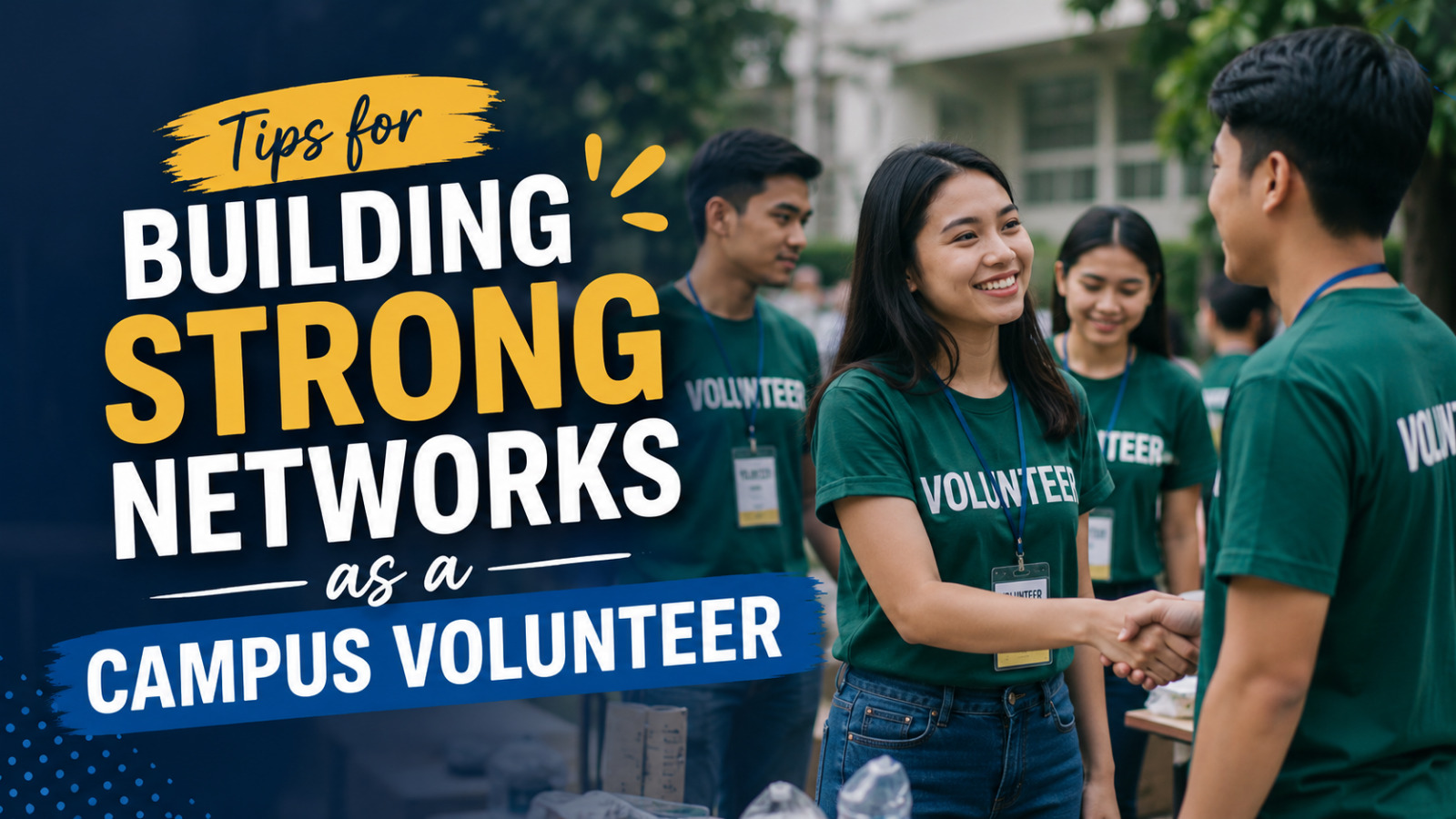
Becoming a campus volunteer is more than just participating in university events. It is an excellent opportunity to develop meaningful relationships with fellow students, lecturers, alumni, and professionals. A strong network can open doors to internships, scholarships, leadership opportunities, and even future careers. However, building valuable connections requires consistency, professionalism, and effective communication.
Students who actively expand their professional and social circles often gain more experience and confidence during their academic journey. By applying the right networking strategies, campus volunteers can maximize every opportunity while creating long-lasting relationships that support both personal and professional growth.
BUILD GENUINE RELATIONSHIPS
The foundation of successful networking is creating genuine relationships rather than simply collecting contacts. People are more likely to remember volunteers who are sincere, respectful, and willing to help others without expecting immediate rewards. Showing interest in someone's ideas and experiences also creates a stronger personal connection. Consistency in communication is more valuable than occasional interactions.
Instead of focusing only on influential individuals, build relationships with fellow volunteers, committee members, and event participants. Every connection has the potential to introduce you to new opportunities in the future. Authentic Communication creates trust, while trust forms the basis of a strong professional network.
IMPROVE YOUR COMMUNICATION SKILLS
Excellent communication is one of the most valuable skills for every Campus Volunteer. Speaking clearly, listening actively, and expressing ideas confidently help create positive impressions during meetings and events. Good communication also minimizes misunderstandings within volunteer teams. People naturally enjoy working with volunteers who communicate professionally and respectfully.
Practice introducing yourself confidently and engaging in meaningful conversations. Ask thoughtful questions instead of dominating discussions. Effective Communication allows you to leave a memorable impression while encouraging others to continue building relationships with you after the event ends.
PARTICIPATE ACTIVELY IN CAMPUS EVENTS
Attending various campus activities significantly increases your chances of meeting new people. Seminars, workshops, competitions, charity events, and student organization programs provide excellent networking opportunities. Every event introduces you to individuals with different backgrounds, skills, and career interests. The more active you are, the wider your network becomes.
Do not simply attend events as an observer. Volunteer for organizing committees, participate in discussions, and interact with speakers whenever possible. Active Participation demonstrates enthusiasm and leadership, making it easier for others to recognize your commitment and potential.
MAINTAIN YOUR PROFESSIONAL REPUTATION
Building connections is only the first step; maintaining a positive reputation is equally important. Always complete assigned responsibilities on time and demonstrate reliability in every volunteer activity. People tend to recommend volunteers who consistently show professionalism and responsibility. A strong reputation naturally attracts more networking opportunities.
Treat every interaction as part of your professional image. Be punctual, respectful, and cooperative with everyone you meet. Professional Reputation is one of the strongest assets that can support your academic journey and future career development.
USE SOCIAL MEDIA WISELY
Social media has become an effective platform for expanding professional relationships beyond campus activities. Platforms such as LinkedIn allow students to stay connected with lecturers, alumni, event speakers, and fellow volunteers. Sharing achievements, volunteering experiences, and educational content can strengthen your professional identity. However, maintaining appropriate online behavior remains essential.
Keep your online profiles updated and engage positively with your network. Avoid posting content that could negatively affect your professional image. Digital Networking enables campus volunteers to maintain valuable relationships even after projects or events have ended.
FOLLOW UP AND STAY CONNECTED
Many students successfully meet new people but fail to maintain those relationships afterward. Networking becomes meaningful only when communication continues over time. Sending a thank-you message after an event or checking in occasionally helps strengthen existing connections. Small gestures often leave lasting impressions.
Continue supporting your network by sharing useful information, congratulating others on achievements, or participating in future collaborations. Relationship Maintenance ensures that your professional connections remain active and mutually beneficial for years to come.
CONCLUSION
Building Strong Networks as a Campus Volunteer requires sincerity, effective communication, active participation, professionalism, and consistent relationship maintenance. Networking is not about the number of contacts but about creating meaningful and trustworthy relationships. Students who invest time in developing quality connections gain access to valuable learning experiences, leadership opportunities, and future career prospects. By applying these practical tips consistently, campus volunteers can establish a powerful network that supports both academic success and long-term professional growth.
About the Author
Gusti Ayu Tita P
Author — STEKOM University
An active author focused on academic issues, educational technology, and human resource development in the campus environment.