
Tips for Managing Finances to Keep a Personal Shopper Business Profitable
Gusti Ayu Tita P
10 September 2026
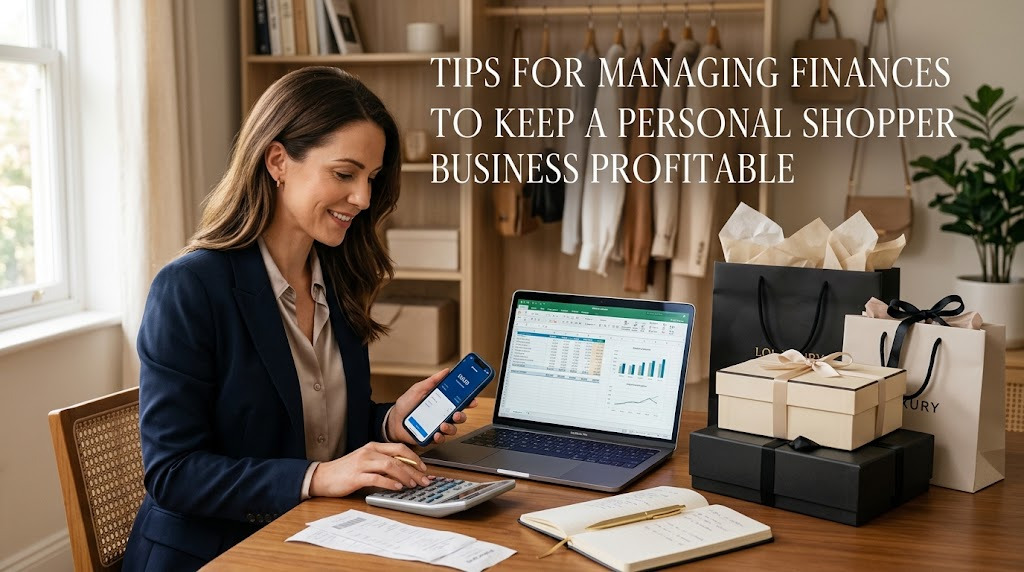
Managing finances is one of the most important parts of running a personal shopper business. Although the business may start with a small amount of capital, poor financial management can quickly reduce profits. Personal shoppers need to separate business money from personal money and record every transaction carefully. Expenses such as product purchases, transportation, packaging, and delivery fees should be calculated before determining the final price. With proper financial management, a personal shopper can maintain stable cash flow and achieve sustainable profits.
SEPARATE BUSINESS AND PERSONAL MONEY
The first step in managing a personal shopper business is separating business funds from personal money. Mixing the two can make it difficult to determine whether the business is actually generating profit. A separate bank account or digital wallet can be used to store business-related funds. Every payment received from customers should be recorded as business income. Personal expenses should not be taken directly from business funds without proper records.
This simple separation also makes financial tracking much easier. At the end of each shopping period, the shopper can compare total income with business expenses. If the remaining amount is positive after all costs are deducted, the business has generated a profit. If the result is negative, the shopper needs to review the pricing or expenses. Good separation of funds creates a clearer picture of the financial condition of the business.
RECORD EVERY INCOME AND EXPENSE
Accurate records are essential for maintaining a profitable personal shopper business. The shopper should record product costs, customer payments, service fees, transportation expenses, packaging costs, and shipping charges. Small expenses should not be ignored because they can accumulate over time. A simple spreadsheet, bookkeeping application, or digital note can be used to organize the information. The recording system should be updated regularly rather than waiting until the end of the month.
Financial records can also help identify unnecessary expenses. For example, a shopper may discover that frequent transportation between different stores is reducing the profit from each order. By reviewing the records, the shopper can find ways to combine shopping trips or adjust service fees. Consistent records also make it easier to calculate monthly revenue and profit. This information can support better decisions when the business grows.
CALCULATE ALL COSTS BEFORE SETTING PRICES
One common financial mistake is calculating prices based only on the product's purchase price. A personal shopper should consider the total business cost before determining the amount charged to customers. These costs may include transportation, packaging, delivery, payment processing, and the shopper's service fee. If some expenses are overlooked, the business may appear profitable while actually losing money. Therefore, every cost related to an order should be considered.
The service fee should provide enough income to compensate the shopper for time, effort, and operating expenses. However, the price should remain reasonable compared with similar services. Shoppers can compare market prices while considering the difficulty of obtaining each product. Large, fragile, or complicated orders may require additional costs. A clear pricing formula helps prevent unexpected losses.
MANAGE BUSINESS CAPITAL WISELY
Business capital should be used carefully, especially when the personal shopper is still developing the business. Shoppers should avoid purchasing large quantities of products without clear customer demand. For customer-specific orders, it is generally safer to confirm the order and payment terms before spending significant amounts of money. This reduces the risk of having unsold products. Capital should primarily support activities that contribute directly to business operations and growth.
A portion of the profit can also be allocated for working capital. This reserve can help cover transportation, packaging, unexpected expenses, or future shopping trips. Maintaining an emergency reserve gives the business greater financial flexibility. However, the amount reserved should be based on the actual size and needs of the business. Careful capital management can help the business continue operating even when sales temporarily decrease.
CONTROL OPERATING AND SHOPPING EXPENSES
Reducing unnecessary expenses can directly improve personal shopper profits. Shoppers can plan their shopping routes so several orders are handled during one trip. This can reduce transportation costs and save time. Packaging materials can also be purchased in suitable quantities to obtain reasonable prices without creating excessive inventory. Every expense should be evaluated based on whether it contributes to the business.
Shoppers should also monitor expenses that may seem small but occur frequently. Parking fees, additional transportation, packaging materials, and communication costs can gradually become significant. Creating a simple expense budget can help control these costs. If an expense continues to increase without improving business results, the shopper should consider a more efficient alternative. Cost control should not reduce service quality but should eliminate unnecessary spending.
MONITOR PROFIT AND CASH FLOW REGULARLY
Revenue alone does not show whether a personal shopper business is profitable. Shoppers need to calculate actual profit after deducting all business expenses. For example, if a customer pays a large amount for an order, much of that money may simply represent the product's purchase cost. Only the remaining amount after expenses represents the actual business result. Reviewing profit regularly helps shoppers understand which products and services generate the best returns.
Cash flow management is also important because money may enter and leave the business at different times. A shopper needs enough available funds to handle upcoming orders and operating expenses. Customer payments, supplier purchases, transportation, and shipping should therefore be planned carefully. Regular financial reviews can help identify cash shortages before they become serious problems. This habit supports stable business operations and long-term growth.
CONCLUSION
Good financial management is essential for keeping a personal shopper business profitable and sustainable. Separating personal and business money, recording transactions, calculating total costs, and controlling expenses can help prevent unnecessary financial losses. Shoppers should also manage capital carefully and regularly monitor both profit and cash flow. A clear pricing strategy should cover operating costs while still providing a reasonable service fee and profit margin. With disciplined financial management and consistent evaluation, a personal shopper business can grow while maintaining healthy financial conditions.
About the Author
Gusti Ayu Tita P
Author — STEKOM University
An active author focused on academic issues, educational technology, and human resource development in the campus environment.