
Tips For Preparing A Career In Auditing And Taxation
Gusti Ayu Tita P
23 September 2026
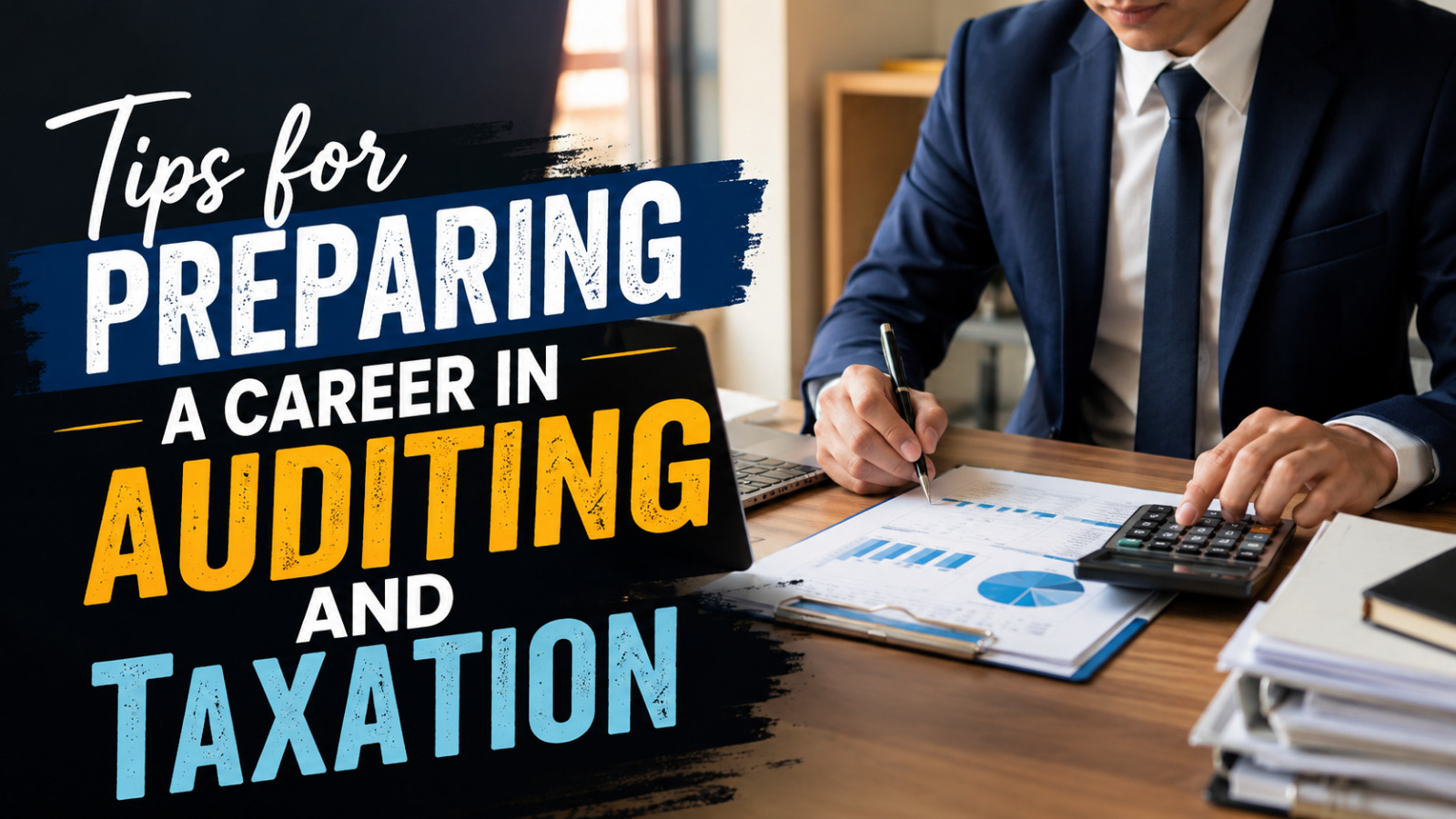
Building a successful career in auditing and taxation requires strong technical knowledge, analytical thinking, and a commitment to continuous learning. These professions play a vital role in ensuring financial transparency, regulatory compliance, and sound business decision-making. As companies continue to expand globally, the demand for qualified audit and tax professionals continues to grow.
Preparing early allows aspiring professionals to gain the skills, experience, and confidence needed to compete in the job market. By understanding industry expectations and developing the right competencies, you can create a strong foundation for long-term career success in both auditing and taxation.
UNDERSTAND THE FUNDAMENTALS OF ACCOUNTING AND TAXATION
A solid understanding of accounting principles and tax regulations is the first step toward building a successful career in this field. Learn how financial statements are prepared, analyzed, and interpreted because these documents are the primary source of information for auditors and tax professionals. Understanding national tax laws, tax reporting procedures, and business taxation is equally important.
Mastering these fundamentals will make it easier to solve financial problems and identify compliance issues. Strong Tax Knowledge and Financial Reporting skills also increase your credibility during job interviews and professional assessments. Employers highly value candidates who possess a deep understanding of accounting standards and taxation practices.
DEVELOP STRONG ANALYTICAL AND CRITICAL THINKING SKILLS
Auditors and tax specialists regularly evaluate financial data, detect irregularities, and recommend effective solutions. Therefore, critical thinking, attention to detail, and problem-solving abilities are essential qualities for success. Practice analyzing financial reports and identifying patterns that may indicate errors or risks.
In addition, strengthen your communication skills because audit findings and tax recommendations must be presented clearly to clients and management. Excellent Audit Skills combined with logical thinking will help you perform complex tasks more efficiently while maintaining professional accuracy.
GAIN PRACTICAL EXPERIENCE THROUGH INTERNSHIPS
Practical experience is one of the most valuable assets when preparing for an Auditing Career or Taxation Career. Internships provide opportunities to apply classroom knowledge in real business environments while learning directly from experienced professionals. They also help you understand workplace expectations and professional ethics.
Working with accounting firms or corporate finance departments enables you to gain exposure to audit procedures, tax documentation, and financial reporting systems. These experiences strengthen your resume and demonstrate your readiness to employers seeking capable entry-level professionals.
EARN PROFESSIONAL CERTIFICATIONS
Obtaining Professional Certification significantly improves your career prospects and professional credibility. Certifications demonstrate your competence and commitment to maintaining high industry standards. Depending on your career goals, you may pursue certifications related to auditing, accounting, or taxation.
Professional certifications also help you stay updated with evolving financial regulations and industry best practices. Employers often prioritize certified candidates because they have proven technical expertise and a dedication to continuous professional development.
IMPROVE DIGITAL AND TECHNOLOGY SKILLS
Modern auditing and taxation increasingly rely on digital tools and accounting software. Learning spreadsheet applications, accounting systems, financial databases, and data analysis tools can greatly improve your productivity and accuracy. Technology also enables professionals to automate repetitive tasks and focus on strategic analysis.
Understanding digital transformation in finance prepares you for future workplace demands. Strong technology skills complement your Audit Skills and make you more competitive in an increasingly technology-driven business environment.
STRENGTHEN PROFESSIONAL ETHICS AND INTEGRITY
Integrity is one of the most important qualities for professionals working in auditing and taxation. Auditors and tax consultants handle sensitive financial information that requires honesty, confidentiality, and professional responsibility. Maintaining ethical standards builds trust with employers, clients, and regulatory authorities.
Ethical decision-making also protects organizations from legal and financial risks. Professionals who consistently demonstrate integrity often earn greater career opportunities and leadership responsibilities throughout their careers.
CONTINUE LEARNING AND FOLLOW INDUSTRY CHANGES
Tax regulations, accounting standards, and auditing practices continue to evolve over time. Successful professionals invest in continuous education by attending seminars, reading industry publications, and participating in professional training programs. Staying informed allows you to adapt quickly to regulatory changes and new business challenges.
Continuous learning also improves your confidence and expands your career opportunities. Employers appreciate individuals who demonstrate a proactive attitude toward professional development and lifelong learning.
CONCLUSION
Preparing for a successful career in auditing and taxation requires a combination of technical expertise, practical experience, professional ethics, and continuous learning. Building strong Tax Knowledge, developing advanced Audit Skills, earning Professional Certification, and understanding Financial Reporting will significantly improve your career prospects. By investing in these essential areas, you can establish a rewarding and sustainable career while contributing to financial transparency and business success.
About the Author
Gusti Ayu Tita P
Author — STEKOM University
An active author focused on academic issues, educational technology, and human resource development in the campus environment.



