
Tips for Running a Personal Shopper Business and Gaining Customer Trust
Gusti Ayu Tita P
10 September 2026
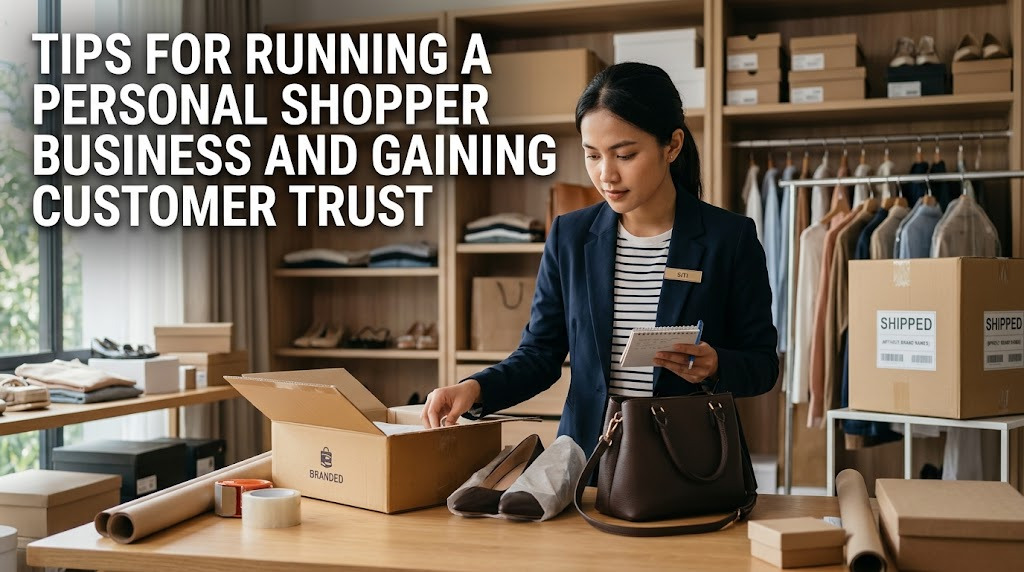
A personal shopper business provides shopping assistance for customers who want to purchase products from certain stores, locations, or cities. Customers usually use this service because they cannot visit the location themselves or want to save time and effort. The shopper is responsible for purchasing the requested products and arranging their delivery. In return, the shopper earns a personal shopper service fee from each successful order.
Running this business requires more than simply buying and sending products. A shopper needs to manage orders, payments, customer communication, product availability, and delivery carefully. Good service quality can make customers feel comfortable when entrusting their money and purchases to the business. Therefore, building a reliable work system should be one of the first priorities.
PROVIDING CLEAR PRODUCT INFORMATION
Accurate product information is essential for maintaining customer trust. Before accepting an order, the shopper should explain the product name, price, size, color, quantity, availability, and other important details. If the product has different variations, customers should be given enough information to choose the correct option. This can reduce mistakes and prevent unnecessary complaints.
The shopper should also avoid providing information that has not been confirmed. Product prices and availability can change, especially when dealing with popular or limited items. If there is a price change or product shortage, the customer should be informed before the purchase is completed. Honest information shows that the shopper values the customer's interests.
SETTING TRANSPARENT SERVICE FEES
A personal shopper service fee should be reasonable and easy for customers to understand. The shopper can calculate the fee based on the product price, quantity, distance, or complexity of the order. Additional costs such as transportation, packaging, and shipping should also be explained clearly. Customers are more likely to trust a business when there are no unexpected charges.
Before customers confirm their orders, provide a complete cost breakdown whenever possible. For example, the total payment can separate the product price, shopper fee, packaging cost, and delivery fee. This system makes financial transactions easier to check. It also helps the shopper calculate profit accurately and avoid losing money.
MANAGING ORDERS AND PAYMENTS CAREFULLY
A reliable order management system is important when the number of customers begins to increase. Every order should be recorded with information such as the customer's name, product details, quantity, total price, payment status, and delivery address. A spreadsheet or digital note can be used to organize this information. Proper records reduce the possibility of forgotten orders and incorrect deliveries.
Payment management also requires careful attention. The shopper should confirm whether the customer has completed the required payment before purchasing the product. Proof of payment and transaction records should be stored properly until the order has been completed. Good financial records can protect both the shopper and customer if questions about a transaction arise.
COMMUNICATING PROFESSIONALLY WITH CUSTOMERS
Professional communication can strongly influence how customers evaluate a personal shopper service. The shopper should respond politely, provide relevant information, and avoid making customers wait unnecessarily when an important update is available. Customers should receive information about order confirmation, purchasing progress, and delivery status. Even when problems occur, communication should remain calm and respectful.
The shopper should also establish clear communication rules. For example, customers can be informed about order deadlines, payment deadlines, cancellation policies, and estimated delivery times. Clear expectations make the transaction easier for both sides. Consistent communication can gradually build a positive reputation and encourage repeat orders.
MAINTAINING PRODUCT QUALITY AND DELIVERY
A personal shopper is responsible for making reasonable efforts to ensure that the purchased product matches the customer's request. Before packaging, the shopper should check the product condition, quantity, size, color, and variation. For fragile products, appropriate packaging materials should be used to reduce the possibility of damage. These small steps can have a significant effect on customer satisfaction.
Delivery should also be monitored after the package is sent. Providing a tracking number allows customers to check their package independently. If a delivery problem occurs, the shopper should help communicate with the relevant delivery service when necessary. Taking responsibility for the order can strengthen customer confidence even when unexpected problems occur.
BUILDING LONG-TERM CUSTOMER TRUST
Long-term customer trust develops through consistent service rather than one successful transaction. A shopper should keep promises, provide honest information, and handle customer data responsibly. Positive reviews and testimonials can also help demonstrate the quality of the service to potential customers. However, reviews should be genuine and should not be manipulated.
The shopper can also build relationships by offering reasonable promotions, informing customers about new products, and remembering their general preferences when appropriate. Most importantly, the business should prioritize honesty, transparency, responsibility, and consistency. When customers feel safe and satisfied, they are more likely to make repeat purchases and recommend the service to others.
CONCLUSION
Running a successful personal shopper business requires careful management and strong customer relationships. Providing accurate product information, setting transparent service fees, organizing payments, and communicating professionally can create a more reliable service. Product quality and delivery should also be monitored so customers receive what they ordered in good condition. By consistently demonstrating honesty, responsibility, and good service, a personal shopper can build customer trust and develop a sustainable business.
About the Author
Gusti Ayu Tita P
Author — STEKOM University
An active author focused on academic issues, educational technology, and human resource development in the campus environment.