Tips To Manage A Rental House To Stay Clean And Well Maintained
Gusti Ayu Tita P
21 Agustus 2026
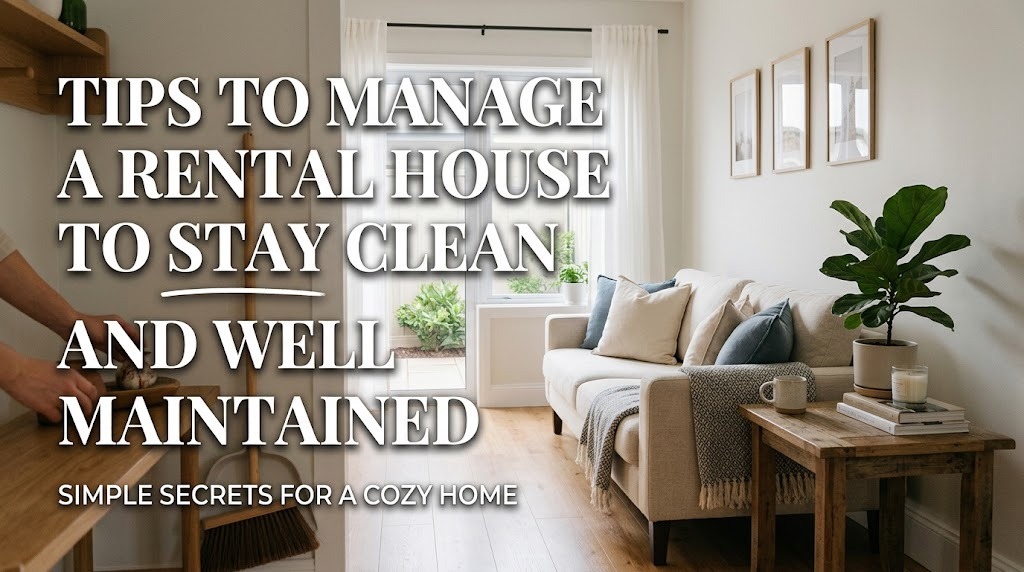
Living in a rental house can be comfortable when the property is kept clean and properly maintained. Regular care helps prevent small problems from becoming expensive or difficult to repair. Tenants should develop simple routines for cleaning, organizing, inspecting, and caring for the house. Good maintenance also creates a healthier and more pleasant living environment. By following practical habits, tenants can keep a rental house clean, comfortable, and well maintained throughout the rental period.
CREATE A REGULAR CLEANING ROUTINE
A regular cleaning schedule is one of the easiest ways to keep a rental house in good condition. Instead of waiting until the house becomes very dirty, divide cleaning tasks into daily, weekly, and monthly routines. Daily activities can include sweeping floors, washing dishes, and cleaning frequently used areas. Weekly tasks can include cleaning bathrooms, windows, furniture, and less frequently used spaces.
A cleaning schedule should be realistic and easy to follow. Family members can share responsibilities so that one person does not have to handle everything. Small cleaning activities performed consistently can prevent dirt and dust from accumulating. Regular cleaning also makes the house easier to maintain in the long term.
KEEP EVERY ROOM ORGANIZED
Good organization makes a rental house look cleaner and easier to maintain. Every item should have a designated place so that rooms do not become unnecessarily cluttered. Use storage boxes, shelves, cabinets, and multifunctional furniture to organize belongings. Items that are rarely used can be stored in less accessible areas.
Avoid keeping too many unnecessary objects in the house. Regularly review belongings and separate items that are no longer useful. A more organized home also makes cleaning faster because fewer surfaces are blocked by personal belongings. An organized space can create a more comfortable atmosphere without requiring expensive decorations.
CLEAN THE KITCHEN REGULARLY
The kitchen requires special attention because food residue, grease, and moisture can quickly accumulate. Clean counters, sinks, cooking equipment, floors, and storage areas regularly. Food waste should be removed promptly to reduce unpleasant odors and discourage pests. Spills should also be cleaned as soon as possible to prevent stains and sticky surfaces.
Kitchen appliances should be maintained according to their instructions. Check refrigerators, stoves, exhaust fans, and other equipment periodically for signs of problems. Keep food stored properly in sealed containers when appropriate. A clean kitchen can support better hygiene and prevent minor maintenance issues.
MAINTAIN THE BATHROOM AND DRAINAGE
Bathrooms need regular cleaning because they are frequently exposed to water and moisture. Clean toilets, sinks, floors, walls, and shower areas on a regular basis. Pay attention to unpleasant odors, slow drainage, leaks, or visible mold. Addressing these issues early can help prevent more serious problems.
Drainage should also be checked periodically. Hair, soap residue, and other materials can accumulate inside drains and cause blockages. Use appropriate cleaning methods and avoid damaging plumbing systems with unsuitable products. Proper bathroom maintenance helps keep the house hygienic and reduces the risk of water damage.
CHECK WATER AND ELECTRICAL SYSTEMS
Tenants should periodically check essential household systems. Look for leaking faucets, dripping pipes, unusual electrical behavior, broken switches, or damaged cables. Small problems should not be ignored because they can become more complicated over time. If a problem involves electrical wiring or major plumbing, contact the property owner or a qualified professional rather than attempting unsafe repairs.
Tenants should also understand which repairs are their responsibility under the rental agreement. Some minor maintenance tasks may be handled by tenants, while structural or major system problems may be the owner's responsibility. Clear communication can prevent confusion about repair costs. Early inspection is one of the best ways to protect the condition of a rental property.
TAKE CARE OF WALLS, FLOORS, AND FURNITURE
Walls, floors, doors, and furniture can gradually show signs of wear during everyday use. Avoid dragging heavy furniture across floors because it may cause scratches or damage. Clean surfaces using methods appropriate for their materials. Be careful when attaching decorations to walls because some rental agreements may restrict drilling or permanent modifications.
Existing damage should be reported to the property owner as soon as possible. Take photographs when necessary to document the condition of the property. This can be especially useful when damage is not caused by normal tenant use. Careful property use can help preserve the condition of the house and reduce avoidable disputes.
CONTROL MOISTURE AND PREVENT MOLD
Excess moisture can create unpleasant odors and encourage mold growth. Keep rooms properly ventilated by opening windows or using suitable ventilation systems when appropriate. Dry wet areas quickly, especially bathrooms, kitchens, and laundry spaces. Good airflow and moisture control are important for maintaining a clean indoor environment.
Check corners, ceilings, walls, and areas behind furniture for signs of excessive moisture. If there is recurring dampness or a serious leak, report it to the property owner promptly. The underlying cause should be addressed rather than simply cleaning the visible mold. Preventing moisture problems early can protect both the property and the comfort of its occupants.
KEEP THE OUTDOOR AREA CLEAN
If the rental house has a yard, balcony, terrace, or parking area, these spaces should also be maintained. Remove leaves, trash, standing water, and other debris regularly. Overgrown plants should be trimmed when permitted by the rental agreement. Clean outdoor areas can improve the appearance of the property and help prevent pests.
Drainage around the property should remain clear, especially during rainy periods. Standing water can create unpleasant conditions and contribute to mosquito problems. Tenants should inform the owner if they notice structural drainage issues that require professional attention. Proper outdoor maintenance supports the overall condition of the rental house.
HANDLE WASTE PROPERLY
Waste management is an important part of keeping a rental house clean. Separate household waste when local facilities support recycling or waste separation. Food waste should be stored properly and removed regularly. Proper waste disposal helps reduce odors, pests, and unnecessary mess.
Trash containers should also be cleaned periodically. Do not allow garbage to remain indoors for too long, particularly in warm conditions. Follow local collection schedules and neighborhood rules. Simple waste management habits can make a significant difference to the cleanliness of the home.
FOLLOW THE RENTAL AGREEMENT
Tenants should understand the maintenance rules stated in their rental agreement. Some agreements may explain responsibilities for cleaning, repairs, painting, gardening, appliances, and property modifications. Following these rules helps protect the relationship between tenants and property owners. It also reduces the risk of unexpected charges or disagreements.
Tenants should communicate with the owner when major problems appear. Do not make significant structural changes without permission. Keep records of important maintenance communication when necessary. Clear communication and responsible maintenance can help both parties protect the property throughout the rental period.
CONCLUSION
Keeping a rental house clean and well maintained does not require complicated methods. The most important habits include regular cleaning, proper organization, kitchen and bathroom care, moisture control, system inspections, waste management, and responsible property use. Tenants should also understand their responsibilities and communicate quickly with the property owner when major problems occur. Consistent maintenance can make the home more comfortable while helping preserve the property's condition. With simple daily habits and regular inspections, a rental house can remain clean, healthy, comfortable, and well maintained throughout the rental period.
About the Author
Gusti Ayu Tita P
Author — STEKOM University
An active author focused on academic issues, educational technology, and human resource development in the campus environment.