
Toxic Positivity in Relationships Signs Causes and Solutions
Gusti Ayu Tita P
29 Juli 2026
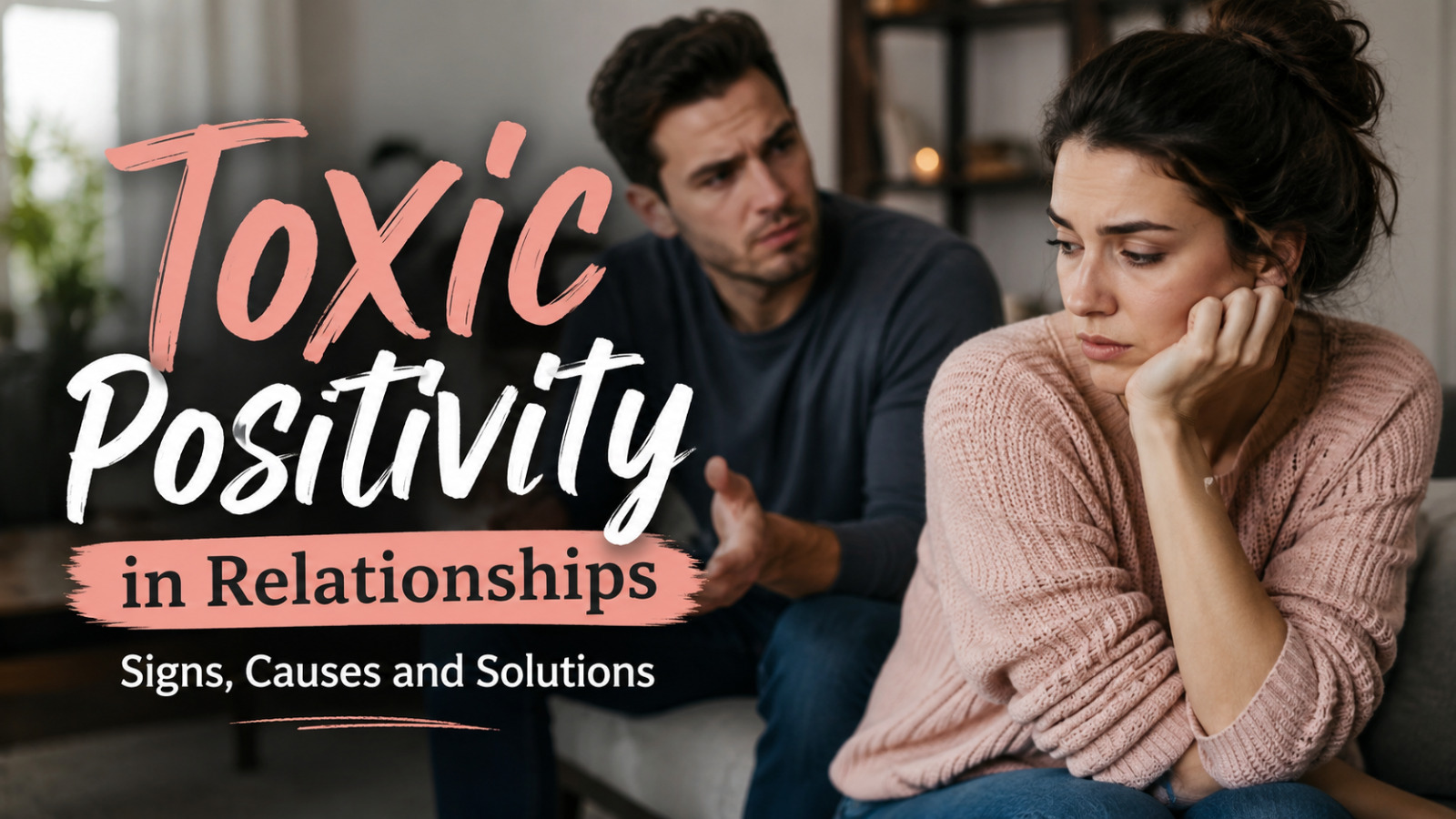
Relationships thrive on honesty, trust, and emotional support. However, when positivity is forced or used to dismiss real emotions, it can become harmful. This behavior is known as toxic positivity, and it often creates emotional distance instead of bringing partners closer together. Understanding its signs, causes, and solutions can help couples build healthier and more supportive relationships.
WHAT IS TOXIC POSITIVITY IN RELATIONSHIPS?
Toxic positivity in relationships refers to the belief that partners should always stay positive regardless of difficult situations. Instead of acknowledging sadness, frustration, or disappointment, one partner may encourage the other to simply "look on the bright side." While optimism is valuable, ignoring genuine emotions prevents healthy communication and emotional healing.
A healthy relationship allows both people to express positive and negative emotions without fear of judgment. Accepting difficult feelings strengthens emotional intimacy because both partners feel heard and respected. Emotional validation is often far more helpful than offering unrealistic positivity.
COMMON SIGNS OF TOXIC POSITIVITY
One of the most obvious signs is dismissing emotional concerns with phrases like "Everything happens for a reason," "Just be happy," or "Stop thinking negatively." These statements may sound encouraging, but they often minimize the other person's emotional experience. Over time, this can make someone feel misunderstood and emotionally isolated.
Another common sign is avoiding serious conversations to maintain a "perfect" relationship image. Partners may hide disagreements, suppress sadness, or pretend everything is fine even when problems exist. This behavior prevents honest discussions and allows unresolved issues to grow larger over time.
WHAT CAUSES TOXIC POSITIVITY IN RELATIONSHIPS?
Many people develop toxic positivity because they believe expressing negative emotions is a sign of weakness. Some were raised in environments where sadness, anger, or disappointment were discouraged. As adults, they may unintentionally repeat these patterns in their romantic relationships.
Social media also plays a significant role. Couples often see carefully edited images of seemingly perfect relationships, creating unrealistic expectations. As a result, some partners feel pressured to appear happy all the time instead of dealing openly with real-life challenges.
HOW TOXIC POSITIVITY AFFECTS A RELATIONSHIP
The biggest consequence is emotional disconnection. When one partner feels unable to express authentic emotions, trust gradually decreases. Instead of feeling supported, they may begin to hide their struggles, leading to loneliness even while in a relationship.
Another negative effect is increased stress and unresolved conflict. Problems that are ignored rarely disappear on their own. Without honest communication, misunderstandings accumulate, making future disagreements more difficult to resolve.
HEALTHY WAYS TO REPLACE TOXIC POSITIVITY
The first step is practicing emotional validation. Instead of immediately offering solutions, listen carefully and acknowledge your partner's feelings. Simple responses such as "I understand why you feel that way" or "That sounds really difficult" can provide meaningful comfort.
It is also important to encourage open communication without judgment. Healthy couples understand that experiencing negative emotions is normal. Supporting each other during difficult moments creates stronger emotional bonds than pretending everything is perfect.
HOW TO BUILD A STRONGER AND HEALTHIER RELATIONSHIP
Building a healthy relationship requires empathy, patience, and honest communication. Partners should feel safe discussing both happy and painful experiences. Accepting emotional vulnerability strengthens trust and encourages deeper connection over time.
Setting realistic expectations is equally important. Every relationship experiences conflict, disappointment, and stressful periods. Facing challenges together with understanding and mutual respect is a healthier approach than forcing constant positivity.
CONCLUSION
Toxic positivity may appear supportive, but it often prevents genuine emotional connection. Healthy relationships are built on acceptance, empathy, honest communication, and emotional validation rather than unrealistic optimism. By recognizing the signs and replacing toxic positivity with authentic support, couples can create stronger, more resilient, and emotionally fulfilling relationships.
About the Author
Gusti Ayu Tita P
Author — STEKOM University
An active author focused on academic issues, educational technology, and human resource development in the campus environment.















