Toxic Positivity on Social Media: What You Need to Know
Gusti Ayu Tita P
24 Juli 2026
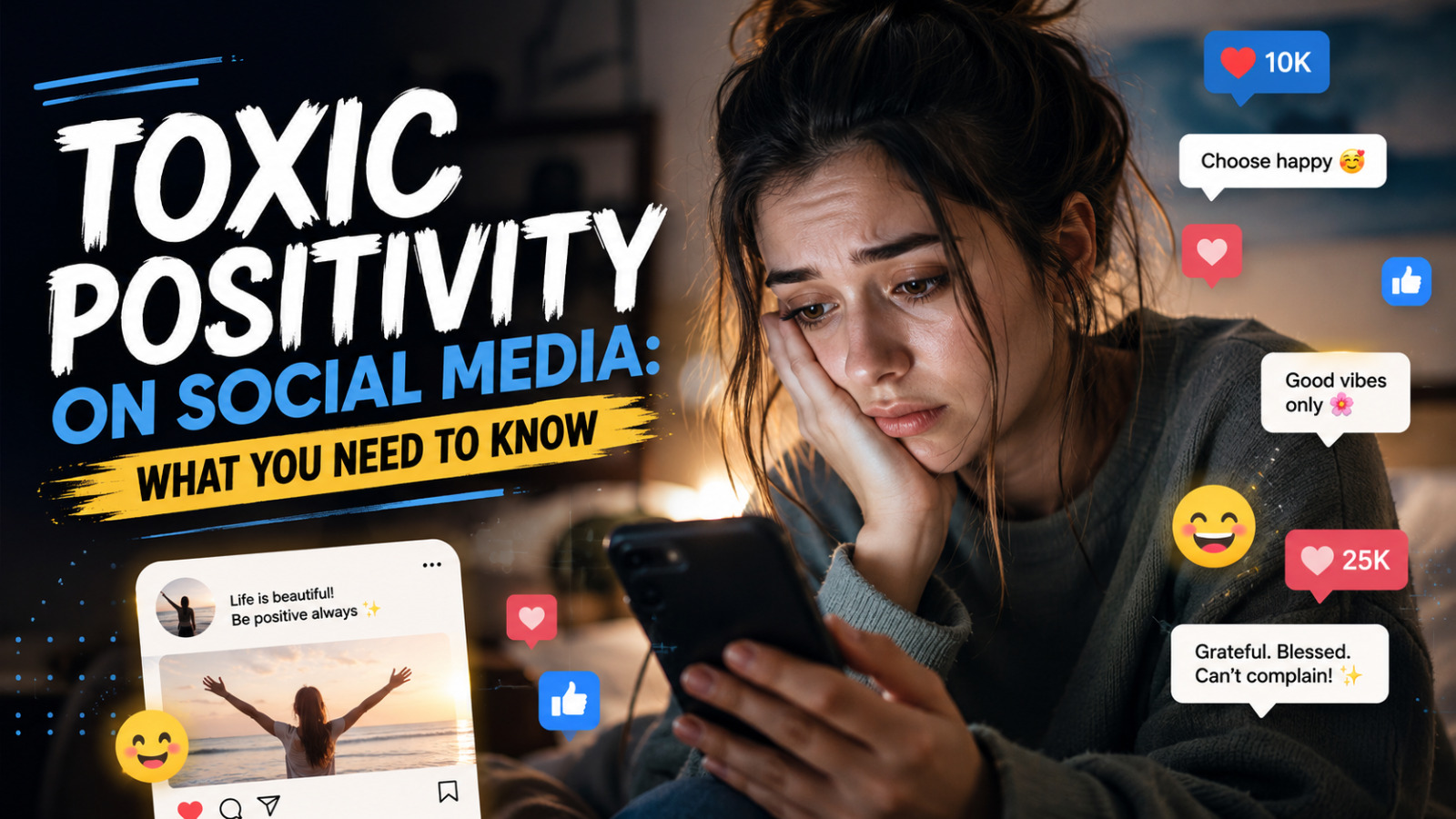
Social media has become an important part of daily life. It allows people to connect, share experiences, and find inspiration. However, not everything shared online reflects reality. Many users only post their happiest moments, creating unrealistic expectations and encouraging toxic positivity.
Toxic positivity is the belief that people should always stay positive, no matter how difficult or painful their situation is. On social media, this mindset can make individuals feel guilty for experiencing normal emotions such as sadness, stress, or disappointment. Understanding this issue can help people build healthier online habits and improve their emotional well-being.
WHAT IS TOXIC POSITIVITY ON SOCIAL MEDIA?
Toxic positivity on social media refers to the pressure to appear happy, optimistic, and successful all the time. It often encourages people to hide negative emotions instead of expressing them honestly. Many motivational posts and inspirational quotes may seem helpful, but they can unintentionally dismiss real emotional struggles.
This behavior creates the false impression that everyone else is living a perfect life. In reality, every person experiences challenges, failures, and emotional ups and downs. Recognizing that social media often shows only selected moments is the first step toward maintaining a healthier perspective.
COMMON SIGNS OF TOXIC POSITIVITY ONLINE
One common sign is constantly posting or sharing messages that suggest people should "just stay positive" regardless of their circumstances. Another sign is ignoring or deleting comments that express sadness, anxiety, or frustration because they seem too negative. Some users also compare themselves with influencers who appear to have perfect lives.
Another warning sign is feeling guilty whenever you experience negative emotions after browsing social media. You may believe that being sad means you are weak or ungrateful. In reality, all emotions are natural, and accepting them is an important part of emotional health.
WHY SOCIAL MEDIA ENCOURAGES TOXIC POSITIVITY
Social media platforms reward content that receives more likes, shares, and positive reactions. As a result, users often upload only their happiest moments while hiding struggles and failures. This creates an unrealistic picture of everyday life.
The culture of comparison also increases the pressure to appear successful and cheerful. People may edit photos, exaggerate achievements, or avoid discussing personal difficulties. Over time, this environment encourages emotional suppression instead of emotional honesty.
THE NEGATIVE EFFECTS OF TOXIC POSITIVITY
One major consequence is increased stress and anxiety. People may feel that they are failing simply because they cannot remain positive during difficult situations. This pressure can reduce self-confidence and increase feelings of isolation.
Another effect is weakened emotional resilience. When negative emotions are constantly ignored, individuals lose opportunities to process and learn from them. Healthy emotional growth requires acknowledging both positive and negative experiences.
HOW TO USE SOCIAL MEDIA IN A HEALTHIER WAY
Start by remembering that social media is only a highlight reel, not a complete picture of someone's life. Limit the time you spend scrolling if you notice it negatively affecting your mood. Follow creators who promote authenticity and balanced conversations about mental health.
It is also helpful to give yourself permission to experience every emotion without guilt. Talk to trusted friends, family members, or mental health professionals when needed. Building genuine relationships offline is often more valuable than seeking online approval.
HOW TO SUPPORT OTHERS WITHOUT BEING TOXICALLY POSITIVE
Instead of telling someone to "look on the bright side," try listening carefully and acknowledging their feelings. Simple statements such as "I understand this is difficult" or "I'm here for you" can provide meaningful emotional support. Validation helps people feel heard and respected.
Encourage hope without dismissing pain. It is possible to remain optimistic while recognizing that someone is struggling. This balanced approach strengthens trust and creates healthier conversations both online and offline.
CONCLUSION
Toxic positivity on social media can make people believe they should always appear happy, even when facing real challenges. While positive thinking has many benefits, it becomes harmful when it invalidates genuine emotions. The healthiest approach is to accept the full range of human feelings while using social media mindfully. By practicing emotional honesty, limiting unhealthy comparisons, and supporting others with empathy, we can create a more authentic and emotionally healthy online community.
About the Author
Gusti Ayu Tita P
Author — STEKOM University
An active author focused on academic issues, educational technology, and human resource development in the campus environment.