
Toxic Positivity Phrases You Should Stop Saying Today
Gusti Ayu Tita P
29 Juli 2026
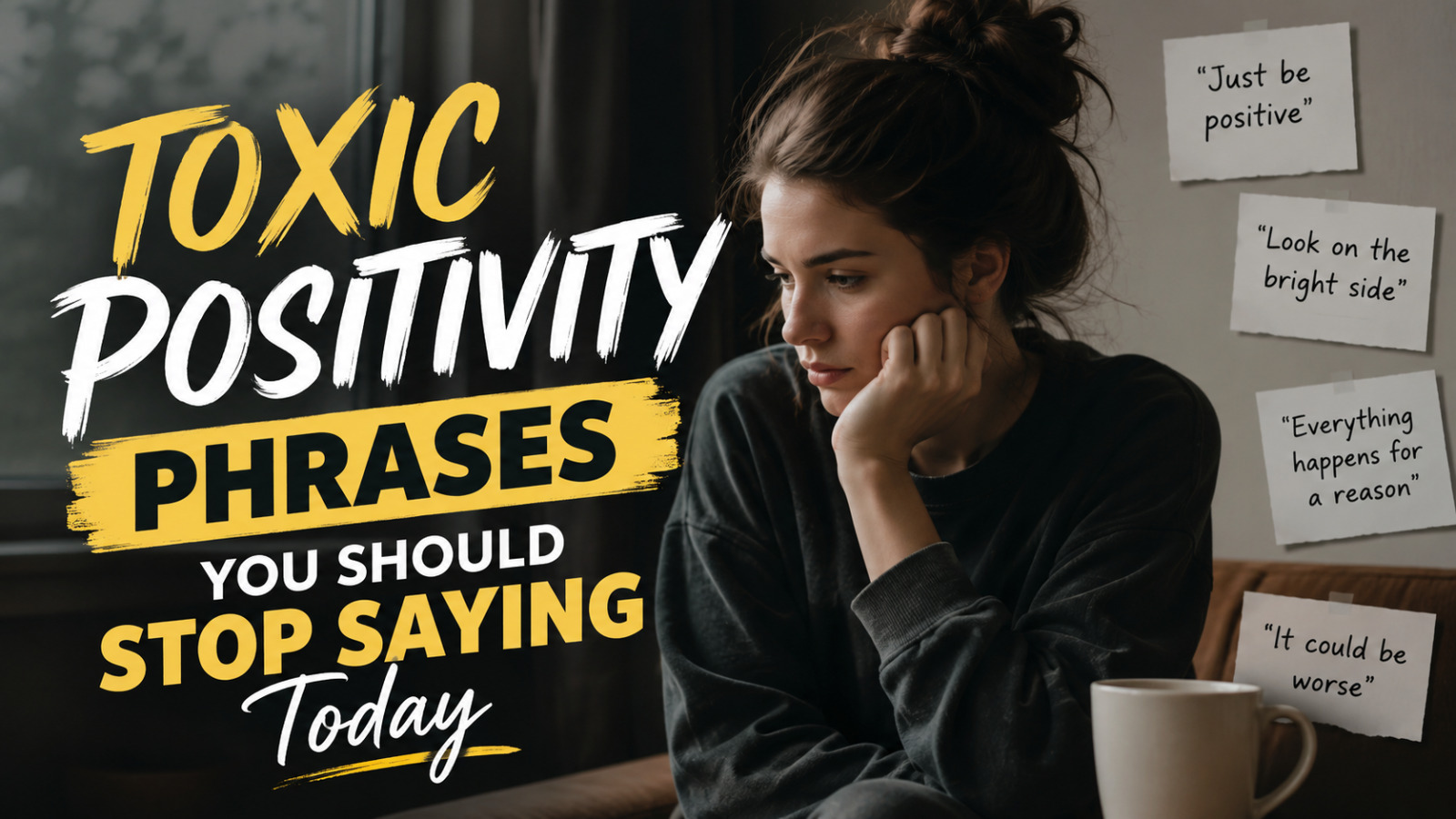
Have you ever tried to comfort someone by saying, "Everything happens for a reason" or "Just stay positive"? While these phrases are often spoken with good intentions, they can unintentionally dismiss someone's real emotions. This is known as toxic positivity, a mindset that encourages people to ignore or suppress negative feelings in favor of forced optimism. Understanding which phrases can be harmful is the first step toward offering genuine emotional support.
WHAT IS TOXIC POSITIVITY?
Toxic positivity is the belief that people should maintain a positive attitude no matter how difficult or painful a situation may be. Although optimism has many benefits, it becomes unhealthy when it invalidates sadness, fear, anger, or grief. Every emotion serves a purpose and deserves to be acknowledged rather than ignored. Pretending everything is fine does not solve emotional problems and may even make them worse.
People experiencing stress or loss often need understanding, not quick motivational statements. When someone feels unheard, they may stop sharing their emotions altogether. This can create loneliness, emotional exhaustion, and even worsen mental health over time. Healthy support begins with accepting that both positive and negative emotions are normal parts of life.
COMMON TOXIC POSITIVITY PHRASES
Many everyday expressions sound encouraging but can unintentionally minimize another person's experience. Phrases such as "Just be positive," "Everything happens for a reason," "It could be worse," "Look on the bright side," and "Good vibes only" often discourage honest emotional expression. These statements suggest that negative feelings are unacceptable instead of recognizing them as natural.
When people hear these phrases repeatedly, they may feel guilty for experiencing sadness or frustration. Instead of processing emotions in a healthy way, they might hide their struggles from others. Genuine empathy involves listening without immediately trying to fix the problem. Sometimes, simply being present is far more valuable than offering advice.
WHY THESE PHRASES CAN BE HARMFUL
Although the intention behind these phrases is usually kind, their impact can be very different. Emotional validation allows people to feel accepted and understood, while toxic positivity can leave them feeling dismissed. When emotions are repeatedly ignored, stress may increase rather than decrease. This can affect both mental and physical well-being.
People who constantly suppress emotions may struggle with anxiety, burnout, or relationship problems. Honest conversations create stronger trust because they encourage openness instead of emotional masking. A supportive environment allows individuals to express both happiness and sadness without fear of judgment. This balance promotes healthier emotional resilience in the long term.
BETTER THINGS TO SAY INSTEAD
Replacing toxic positivity with empathetic communication can make a significant difference. Instead of saying "Just stay positive," try saying "I'm here for you" or "That sounds really difficult." These responses acknowledge the person's feelings without attempting to erase them. Validation does not mean agreeing with every emotion; it means recognizing that the emotion exists.
Other helpful phrases include "Take your time," "Your feelings are valid," and "How can I support you?" These statements encourage honest conversation and strengthen emotional connection. They also create a safe space where people feel comfortable sharing their experiences. Compassion often begins with listening more than speaking.
HOW TO AVOID USING TOXIC POSITIVITY
The first step is becoming aware of your own communication habits. Before responding to someone who is struggling, pause and ask yourself whether your words acknowledge their emotions or dismiss them. Active listening is often more helpful than offering immediate solutions. Giving someone your full attention demonstrates genuine care.
Practice showing empathy, asking open-ended questions, and respecting each person's emotional journey. Avoid comparing someone's struggles with those of others because every experience is unique. Remember that offering support does not require having all the answers. Sometimes, kindness is simply allowing someone to feel what they feel without judgment.
CONCLUSION
Toxic positivity may appear supportive on the surface, but it often prevents meaningful emotional connection. Replacing dismissive phrases with empathy, validation, and active listening helps people feel respected and understood. Every emotion, whether joyful or painful, deserves recognition. By choosing compassionate language, we create healthier relationships and encourage genuine emotional well-being.
About the Author
Gusti Ayu Tita P
Author — STEKOM University
An active author focused on academic issues, educational technology, and human resource development in the campus environment.















