Transforming Learning Strategies To Achieve Sustainable Academic Performance
Gusti Ayu Tita P
24 Agustus 2026
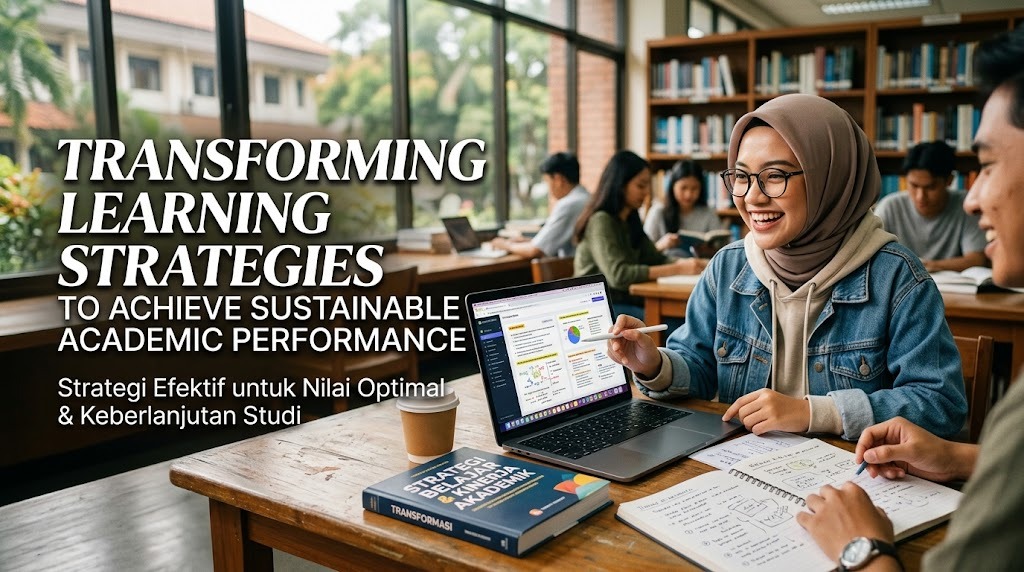
Academic success is not only about getting high grades in a single semester. Students need effective learning strategies that can be maintained over time without causing excessive stress or exhaustion. As academic demands become more complex, traditional study habits may not always produce the best results. Transforming learning strategies can help students study more efficiently, understand lessons more deeply, and maintain consistent performance. The goal is to create a sustainable academic routine that supports both achievement and well-being.
UNDERSTANDING SUSTAINABLE ACADEMIC PERFORMANCE
Sustainable academic performance refers to the ability to maintain good learning progress consistently over a long period. It does not mean studying for extremely long hours every day or achieving perfect grades in every subject. Instead, it focuses on developing learning habits that are effective, realistic, and manageable. Students need to balance academic responsibilities with rest, social activities, and personal needs. A sustainable approach helps prevent students from depending on last-minute studying or excessive workloads.
Academic performance can improve when students understand how they learn best. Some students benefit from visual materials, while others learn more effectively through practice, discussion, or explanation. Identifying individual learning needs allows students to choose strategies that provide better results. Regular evaluation is also important because a strategy that works for one subject may not work equally well for another. This flexibility makes learning more efficient and adaptable.
MOVING FROM PASSIVE TO ACTIVE LEARNING
One important transformation is moving from passive learning toward active learning. Simply reading textbooks repeatedly may create familiarity with the material without ensuring deep understanding. Active learning encourages students to interact with information through questioning, explaining, practicing, and applying concepts. Students can summarize lessons using their own words or create questions based on the material. These activities encourage deeper processing and can strengthen understanding.
Practice is another effective form of active learning. Students can use practice questions, case studies, simulations, or problem-solving exercises to test their knowledge. When mistakes occur, students can review the reasons behind them instead of simply memorizing the correct answers. Learning through practice and feedback makes the learning process more meaningful. It also helps students recognize which topics require additional attention.
USING EFFECTIVE STUDY TECHNIQUES
Students can improve their learning efficiency by using evidence-based study techniques. Active recall encourages students to retrieve information from memory instead of repeatedly looking at notes. Another useful method is spaced practice, which involves reviewing material across multiple sessions rather than studying everything immediately before an examination. These techniques can make revision more organized and purposeful. Students should choose methods that match their subjects and learning objectives.
Students can also combine different strategies rather than relying on one method. For example, they can read a concept, explain it in their own words, solve related questions, and then review their mistakes. This combination provides several opportunities to understand the same material from different perspectives. Strategic studying is more valuable than simply increasing study hours. The objective should be better learning, not merely longer studying.
IMPROVING TIME MANAGEMENT
Effective time management is essential for sustainable academic performance. Students can begin by listing assignments, examinations, projects, and other academic responsibilities. Important tasks should be prioritized according to deadlines and difficulty. Dividing large projects into smaller steps can make them easier to complete gradually. A realistic study schedule can also reduce the pressure associated with last-minute preparation.
Students should avoid creating schedules that are too demanding. A plan with no breaks or flexibility may become difficult to maintain when unexpected responsibilities appear. Including rest periods and personal activities can make a study routine more sustainable. Students should regularly review their schedules and make adjustments when necessary. Good time management is about managing priorities effectively, not filling every hour with work.
USING DIGITAL TOOLS WISELY
Technology can support modern learning when used appropriately. Digital calendars, note-taking applications, educational platforms, and online resources can help students organize information and manage assignments. Students can also use digital flashcards and practice tools to reinforce difficult concepts. However, technology can become a distraction when social media or entertainment interrupts study sessions. Digital tools should support learning rather than control the student's attention.
Students should therefore establish clear boundaries when using technology for academic purposes. Notifications can be turned off during focused study sessions, and unnecessary applications can be closed. Online information should also be evaluated carefully because not every source is reliable or academically appropriate. Combining digital resources with credible academic materials can improve learning quality. Responsible technology use can increase efficiency without reducing concentration.
DEVELOPING CONSISTENT LEARNING HABITS
Consistency is one of the most important elements of sustainable academic performance. Studying a manageable amount regularly can be more effective than depending on occasional intensive sessions. Students can establish specific times for reviewing lessons, completing assignments, and preparing for examinations. Consistent habits reduce the amount of material that must be learned at the last minute. Over time, these routines can become a natural part of everyday academic life.
However, consistency does not require perfection. Students may sometimes miss a study session because of personal responsibilities or unexpected situations. Instead of abandoning the entire routine, they can return to their schedule as soon as possible. Flexibility helps students maintain long-term learning habits. The focus should be on continuing progress rather than expecting flawless performance every day.
BALANCING ACADEMIC GOALS AND WELL BEING
Sustainable learning requires students to take care of their overall well-being. Adequate sleep, healthy meals, physical activity, and regular breaks can support concentration and energy. Studying continuously without sufficient rest may reduce productivity and make learning more difficult. Students should recognize that rest is not the opposite of academic achievement. A healthy balance can support better concentration and long-term performance.
Students should also set realistic academic goals. Ambitious goals can provide motivation, but unrealistic expectations may create unnecessary pressure. Breaking major goals into smaller objectives can make progress easier to measure. Celebrating improvements can also help students maintain motivation. Academic success should be viewed as continuous development rather than a demand for constant perfection.
EVALUATING AND TRANSFORMING LEARNING STRATEGIES
Learning strategies should not remain unchanged throughout a student's academic journey. Students can evaluate their performance after assignments, examinations, or major projects. If a particular method does not produce good results, they can identify the problem and experiment with another approach. Self-evaluation allows students to become more independent learners. This process helps them understand which strategies are genuinely effective.
Feedback from lecturers and classmates can also provide valuable insights. Students may discover weaknesses that they did not recognize themselves. Instead of viewing feedback as criticism, they can use it as information for improvement. Continuous evaluation encourages students to adjust their strategies according to their changing academic needs. The ability to adapt is a key part of sustainable learning.
CONCLUSION
Transforming learning strategies can help students achieve sustainable academic performance without relying on excessive study hours or constant pressure. Active learning, effective study techniques, time management, responsible technology use, consistent habits, and proper rest can create a stronger academic routine. Students should also evaluate their strategies regularly and make changes when necessary. Sustainable performance is built through consistency, flexibility, and continuous improvement. By choosing learning methods that are effective and realistic, students can improve their academic results while maintaining a healthier and more balanced university experience.
About the Author
Gusti Ayu Tita P
Author — STEKOM University
An active author focused on academic issues, educational technology, and human resource development in the campus environment.