
Types Of Visas You Should Know Before Traveling Abroad
Gusti Ayu Tita P
24 Agustus 2026
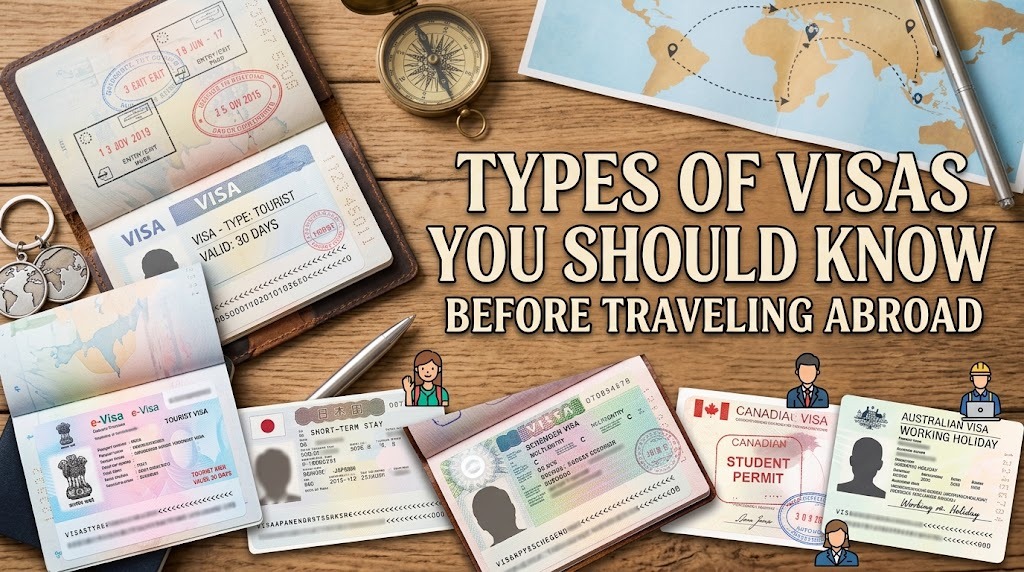
Traveling abroad requires more than just preparing a passport and booking transportation. In many countries, travelers also need a visa that matches the purpose and duration of their visit. A visa is an official authorization that allows a person to request entry into a foreign country under specific conditions. Understanding the different types of visas can help travelers choose the correct application and avoid unnecessary problems. Each country has its own immigration rules, so visa requirements should always be checked with the relevant embassy or immigration authority.
WHAT IS A VISA
A visa is an authorization issued by a country that permits a foreign traveler to seek entry for a particular purpose. Depending on the country, a visa may be placed in a passport, issued electronically, or provided through another official system. A visa does not always guarantee entry because the final decision can still be made by immigration officers at the border. The conditions attached to a visa can include the permitted length of stay, number of entries, and activities allowed during the visit. Therefore, travelers should understand the visa conditions before departure.
Visa requirements vary depending on nationality, destination, travel purpose, and duration of stay. Some destinations allow certain travelers to enter without a traditional visa, while others require an application before arrival. Checking official information before booking a trip is an important step because immigration policies can change.
TOURIST VISA FOR HOLIDAY TRAVEL
A tourist visa is generally intended for people who want to visit another country for holidays, sightseeing, visiting attractions, or other short-term tourism activities. It normally does not allow the holder to work for a local employer. The permitted stay depends on the rules of the destination country and the specific visa issued. Applicants may be asked to provide evidence such as travel plans, accommodation details, financial capacity, and a valid passport. Some countries also require proof that the traveler intends to leave before the authorized stay ends.
Tourist visas are among the most commonly discussed travel visas, but their conditions differ between countries. Travelers should carefully check whether activities such as visiting relatives, attending short events, or conducting limited business activities are permitted under the particular visa category.
STUDENT VISA FOR EDUCATION
A student visa is designed for people who plan to study at an educational institution in another country. It is commonly required for longer academic programs such as university degrees, although the exact requirements depend on the destination. Applicants generally need documentation from the educational institution confirming their admission or enrollment. Financial evidence, health insurance, identity documents, and other supporting materials may also be required.
The conditions of a student visa can be different from those of a tourist visa. Some countries allow eligible international students to work under specific restrictions, while others impose different rules. Students should understand these conditions before beginning their studies because working or staying beyond the permitted conditions may create immigration problems.
BUSINESS VISA FOR PROFESSIONAL ACTIVITIES
A business visa is generally used for certain short-term professional activities in another country. Examples can include attending meetings, conferences, negotiations, trade events, or business discussions. It usually does not provide the same work rights as a work or employment visa. The permitted activities and duration depend on the immigration regulations of the destination country.
Applicants may need to provide an invitation letter, company information, conference registration, or an explanation of their professional purpose. Choosing the correct category is important because conducting activities outside the permitted scope can violate immigration rules. Travelers should therefore distinguish between business visits and employment before submitting an application.
WORK VISA FOR EMPLOYMENT
A work visa is intended for individuals who plan to work legally in a foreign country. The application process is often more detailed because immigration authorities may need information about the employer, job position, qualifications, and employment arrangement. In some countries, an employer must obtain approval or sponsorship before the worker can apply. Additional requirements can include employment contracts, professional certificates, and background documents.
Unlike a tourist visa, a work visa generally provides authorization connected to specific employment conditions. The holder may be restricted to a particular employer, occupation, or period of employment. Anyone planning to earn income from employment abroad should understand the applicable work authorization rules rather than relying on a tourist or business visa.
TRANSIT VISA FOR SHORT JOURNEYS
A transit visa may be required when a traveler passes through a country on the way to another destination. Its purpose is generally related to the transit journey rather than a regular visit. Whether a transit visa is necessary depends on factors such as nationality, airport, transit duration, and whether the traveler leaves the international transit area. Some travelers may be exempt because of their nationality or other circumstances.
Transit rules can be confusing because they vary significantly between countries. Before traveling, passengers should check the requirements for every country involved in their itinerary. This is particularly important when a trip includes multiple flights or separate tickets.
FAMILY AND VISIT VISA
Some countries provide visa categories for people who want to visit family members, friends, or other individuals living abroad. These visas can have different names and requirements depending on the destination. Applicants may need an invitation letter, proof of relationship, accommodation information, or evidence of financial support. The permitted activities may also be limited to visiting purposes.
A family or visit visa should not automatically be treated as permission to work or study. Travelers need to follow the conditions stated by the destination country. Understanding the purpose of the visa helps prevent applicants from selecting an inappropriate visa category.
HOW TO CHOOSE THE RIGHT VISA
Choosing the right visa starts with identifying the main purpose of the trip. A traveler going on vacation will generally have different requirements from someone attending university or starting employment. The planned duration of stay should also be considered because some visa categories are designed for short visits while others cover longer periods. Travelers should review the official immigration or embassy information for their destination before applying.
It is also important to check whether the destination offers alternatives such as visa-free entry, electronic travel authorization, or an electronic visa for eligible travelers. Requirements can change, so information from unofficial websites may not always reflect the latest rules. Using official government or embassy sources is the safest way to confirm current requirements.
COMMON MISTAKES WHEN APPLYING FOR A VISA
One common mistake is submitting an application with incomplete or inconsistent information. Differences between application forms, supporting documents, and travel explanations can create questions during the assessment process. Another mistake is choosing a visa category that does not match the actual purpose of the trip. Travelers should also pay attention to passport validity, application deadlines, fees, and document requirements.
Applying too close to the departure date can also create unnecessary pressure. Processing times differ by country and visa category, and some applications may require interviews or additional checks. Preparing documents early gives travelers more time to correct problems before their planned departure.
WHY UNDERSTANDING VISA TYPES MATTERS
Understanding visa types helps travelers make better decisions before going abroad. The correct visa can support a smoother application process and help travelers follow the immigration rules of their destination. It can also prevent misunderstandings about what activities are legally permitted during the stay. Because immigration regulations differ from one country to another, travelers should never assume that one country's visa rules apply everywhere.
Before departure, check the destination country's official requirements, confirm the validity period, and understand the permitted length of stay. Proper preparation can make international travel more organized and reduce the risk of immigration-related difficulties.
CONCLUSION
There are many types of visas, including tourist, student, business, work, transit, and family or visit visas. Each category serves a different purpose and may have specific conditions that travelers must follow. Choosing the wrong visa can lead to application problems or restrictions during the trip. For this reason, travelers should identify their purpose, review the destination's current rules, and prepare the required documents carefully. With accurate information and proper preparation, travelers can approach their international journey with greater confidence.
About the Author
Gusti Ayu Tita P
Author — STEKOM University
An active author focused on academic issues, educational technology, and human resource development in the campus environment.















