
Understanding Black Magic Through Folklore and Cultural Beliefs
Gusti Ayu Tita P
10 September 2026
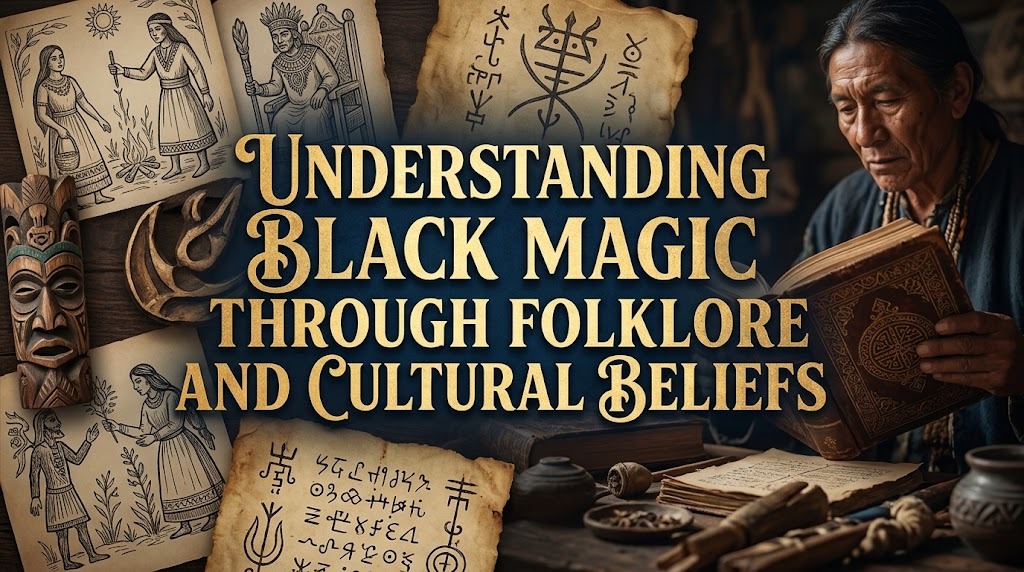
Black magic has long appeared in stories, traditions, and cultural beliefs across different societies. It is often associated with supernatural powers, mysterious rituals, curses, or attempts to influence events through unseen forces. However, the meaning of black magic can be different depending on the culture, historical period, and beliefs of a particular community. In many cases, stories about black magic are connected to folklore rather than proven supernatural events. Understanding this topic requires looking at how people have explained mysterious experiences through their cultural traditions.
THE MEANING OF BLACK MAGIC IN FOLKLORE
In folklore, black magic is generally described as the use of supernatural or magical powers for harmful, selfish, or controlling purposes. The concept is not universal because different societies have their own definitions of magic, sorcery, witchcraft, and supernatural practices. Some traditions distinguish between magic intended to help people and practices believed to cause harm. Others do not make such a clear distinction and view supernatural practices through religious or moral frameworks.
Folklore often develops from stories passed from one generation to another. Oral traditions, legends, and community narratives can preserve beliefs about mysterious people, magical objects, curses, and supernatural events. These stories may reflect the fears and values of the communities that created them. As a result, black magic in folklore can reveal more about human culture and imagination than about supernatural abilities themselves.
CULTURAL BELIEFS AND SUPERNATURAL STORIES
Cultural beliefs have played an important role in shaping stories about magic. People in different societies have historically developed explanations for events that were difficult to understand, including illness, unexpected disasters, unusual behavior, or unexplained misfortune. When scientific knowledge was limited, supernatural explanations could become part of local traditions. These explanations were then incorporated into legends and folklore.
Religion, social customs, and local history can also influence how magic is represented. A practice considered mysterious or dangerous in one community may have a completely different meaning in another. This difference shows why black magic should be studied within its cultural context rather than judged from a single perspective. Cultural beliefs can therefore help explain why similar supernatural themes appear in many parts of the world while their details remain different.
BLACK MAGIC IN TRADITIONAL FOLKLORE
Traditional folklore contains many stories involving curses, magical objects, mysterious figures, and supernatural forces. European witchcraft legends, for example, have contributed to popular ideas about witches and harmful spells. Other cultures have their own stories involving sorcery and supernatural beings, although these traditions should not automatically be treated as identical to the modern concept of black magic.
Stories can change as they move between communities and generations. A legend may gain new characters, events, or meanings as storytellers adapt it to their audiences. Written literature, theater, television, and other forms of entertainment have also changed how traditional magical stories are presented. This process helps explain why some ancient supernatural ideas continue to appear in modern storytelling.
THE DIFFERENCE BETWEEN FOLKLORE AND HISTORICAL FACT
It is important to distinguish folklore from historical evidence when discussing black magic. A legend can be culturally meaningful without being evidence that supernatural events actually occurred. Folklore researchers study these stories to understand beliefs, traditions, social relationships, fears, and values within particular communities.
Historical records can show that people genuinely believed in magic or accused others of practicing it. For example, accusations of witchcraft have appeared in various historical societies, sometimes leading to serious social and legal consequences. However, evidence that people believed in magical practices is not the same as evidence that supernatural powers existed. Making this distinction allows people to appreciate folklore while maintaining a careful approach to historical facts.
WHY BLACK MAGIC STORIES CONTINUE TODAY
Stories about black magic remain popular because they combine mystery, fear, and imagination. Modern books, films, television shows, games, and online content frequently use magical themes to create suspense or explore conflicts between good and evil. These stories are often inspired by older folklore but can introduce completely fictional characters, rules, and magical systems.
The continued popularity of these stories also shows how folklore can adapt to changing societies. People may be interested in black magic not because they necessarily believe in it, but because supernatural stories provide entertainment and opportunities to explore human fears. Popular culture has therefore helped preserve and transform magical traditions for new audiences.
CONCLUSION
Understanding black magic through folklore and cultural beliefs requires more than simply accepting supernatural stories as facts. The concept has developed through cultural traditions, oral storytelling, historical beliefs, and popular culture. Different communities have created their own interpretations of magic based on their experiences, values, and social environments. Studying these stories can provide useful insights into how people have understood mystery and unexplained events throughout history.
At the same time, it is important to separate cultural belief from historical or scientific evidence. Black magic remains an interesting subject because its stories continue to evolve while preserving connections to older traditions. By viewing the topic through the lens of folklore and cultural beliefs, readers can appreciate its cultural significance without confusing legends with proven facts.
About the Author
Gusti Ayu Tita P
Author — STEKOM University
An active author focused on academic issues, educational technology, and human resource development in the campus environment.















