
Understanding Freedom of Expression in Democratic Countries
Gusti Ayu Tita P
29 Juli 2026
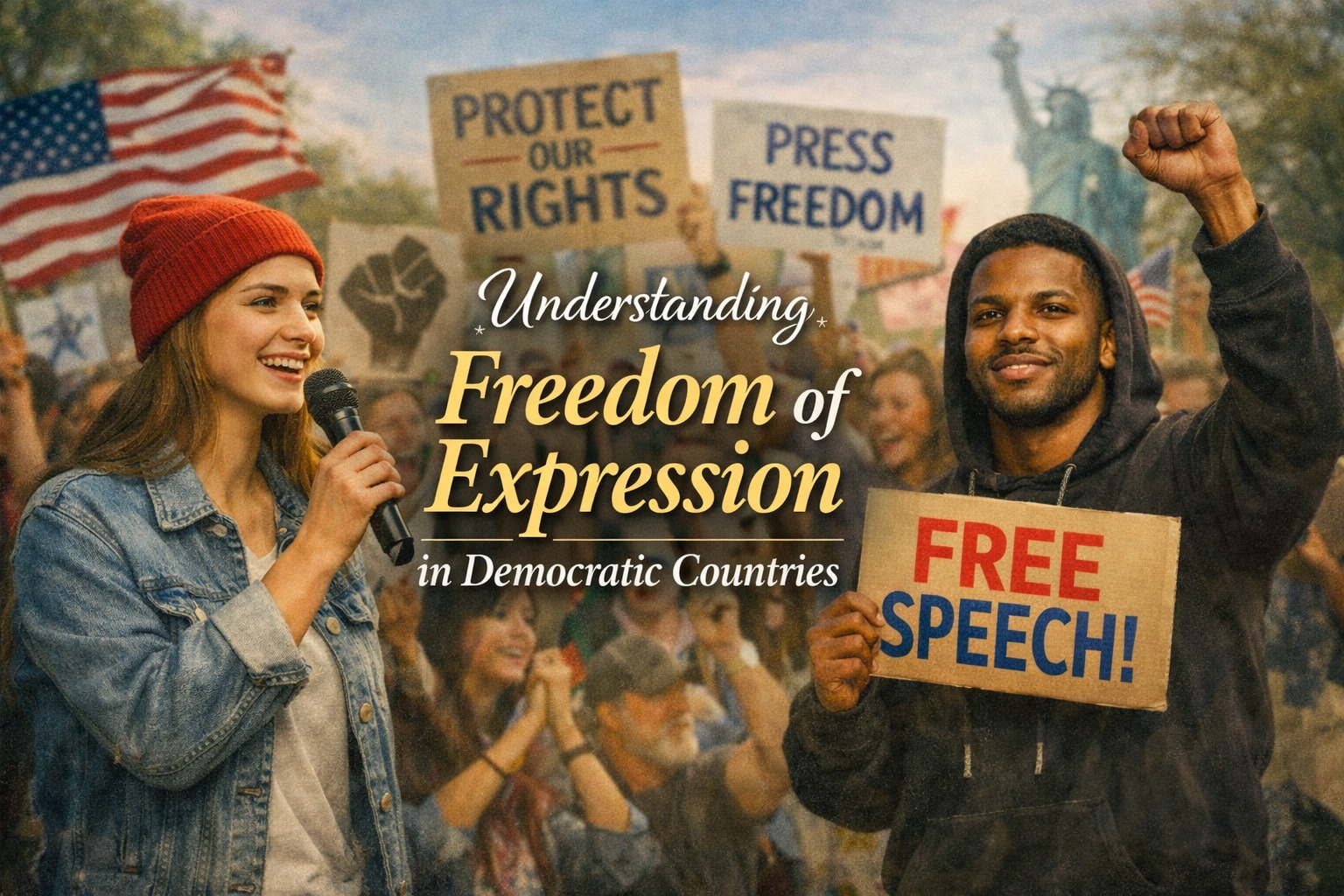
Freedom of expression is one of the most important principles in a democratic society. It allows people to share opinions, exchange ideas, express criticism, and participate in public discussions without unnecessary restrictions. This right encourages transparency, accountability, and public involvement in government and social issues. Although freedom of expression is highly valued, it also comes with responsibilities to respect the rights and safety of others. Understanding this balance helps people become responsible citizens who contribute positively to democracy.
WHAT IS FREEDOM OF EXPRESSION?
Freedom of expression is the right of every individual to communicate their thoughts, opinions, beliefs, and ideas through speech, writing, art, media, or other forms of communication. In democratic countries, this right is protected because it supports open discussion and the exchange of different perspectives. Citizens can express support or criticism of government policies without fear of unfair punishment, as long as they follow the law. This freedom also allows journalists, researchers, and educators to share information that benefits society.
However, freedom of expression does not mean people can say anything without consequences. Most democratic countries limit speech that promotes violence, hatred, discrimination, defamation, or criminal activity. These reasonable limitations are designed to protect public safety and the rights of other individuals. As a result, freedom of expression works best when it is practiced with responsibility, honesty, and respect.
WHY FREEDOM OF EXPRESSION IS IMPORTANT
Freedom of expression helps build a healthy democracy because it allows citizens to participate in public decision-making. People can discuss important issues, offer solutions, and hold leaders accountable for their actions. When many voices are heard, governments can better understand public needs and improve policies. This creates a stronger relationship between citizens and public institutions.
Another important benefit is that freedom of expression encourages innovation, education, and cultural development. New ideas often emerge when people feel free to think creatively and share different viewpoints. Universities, research institutions, artists, and entrepreneurs all benefit from an environment where ideas can be expressed openly. This openness supports social progress and economic growth.
THE ROLE OF FREEDOM OF EXPRESSION IN DEMOCRACY
In democratic countries, freedom of expression plays a key role in elections and public participation. Citizens can debate political issues, evaluate candidates, and make informed voting decisions. Political parties and community organizations can communicate their ideas openly, giving voters access to different perspectives. This process strengthens democratic participation and encourages informed choices.
Freedom of expression also supports independent journalism and public oversight. Reporters investigate important issues, uncover corruption, and provide information that helps citizens understand current events. At the same time, social media and digital platforms allow people to share opinions and engage in discussions more easily than ever before. Responsible communication helps ensure that information contributes positively to society.
RESPONSIBILITIES THAT COME WITH FREEDOM OF EXPRESSION
Every right comes with responsibilities, including freedom of expression. People should verify information before sharing it to avoid spreading misinformation or false rumors. Respecting facts and presenting opinions honestly helps create meaningful public discussions. Responsible communication builds trust among individuals and communities.
People should also respect different opinions and cultural diversity. Disagreements are natural in democratic societies, but discussions should remain respectful and constructive. Avoiding hate speech, personal attacks, and discrimination allows everyone to participate safely in conversations. Responsible expression promotes understanding instead of conflict.
CHALLENGES IN PROTECTING FREEDOM OF EXPRESSION
Modern technology has created both opportunities and challenges for freedom of expression. Social media enables information to spread quickly, but it also increases the risk of fake news, online harassment, and misinformation. These problems can influence public opinion and create unnecessary conflict. Governments, technology companies, and users all share responsibility for promoting reliable information.
Another challenge is balancing national security, privacy, and public freedom. Democratic governments sometimes introduce regulations to protect citizens from harmful activities. However, these regulations should remain fair, transparent, and respectful of human rights. Maintaining this balance helps preserve both public safety and democratic values.
HOW CITIZENS CAN USE FREEDOM OF EXPRESSION RESPONSIBLY
Citizens can strengthen democracy by using freedom of expression in positive and constructive ways. Participating in public discussions, voting, writing articles, joining community organizations, and expressing opinions respectfully all contribute to democratic development. Listening carefully to different viewpoints also helps people gain a broader understanding of important issues. Respectful dialogue encourages cooperation instead of division.
Developing critical thinking and media literacy is equally important. People should evaluate sources carefully before believing or sharing information online. Supporting reliable journalism and fact-based discussions reduces misinformation and improves public understanding. Responsible citizens help create a democratic society where freedom and accountability exist together.
CONCLUSION
Freedom of expression is a fundamental value that allows democratic societies to grow through open communication, public participation, and respect for human rights. It encourages citizens to share ideas, question policies, and contribute to positive social change. At the same time, this freedom must be exercised responsibly by respecting laws, facts, and the rights of others. When freedom of expression is balanced with responsibility, democracy becomes stronger, more inclusive, and more resilient.
About the Author
Gusti Ayu Tita P
Author — STEKOM University
An active author focused on academic issues, educational technology, and human resource development in the campus environment.















