
Understanding Smartwatch Functions And Their Benefits For Daily Activities
Gusti Ayu Tita P
10 September 2026
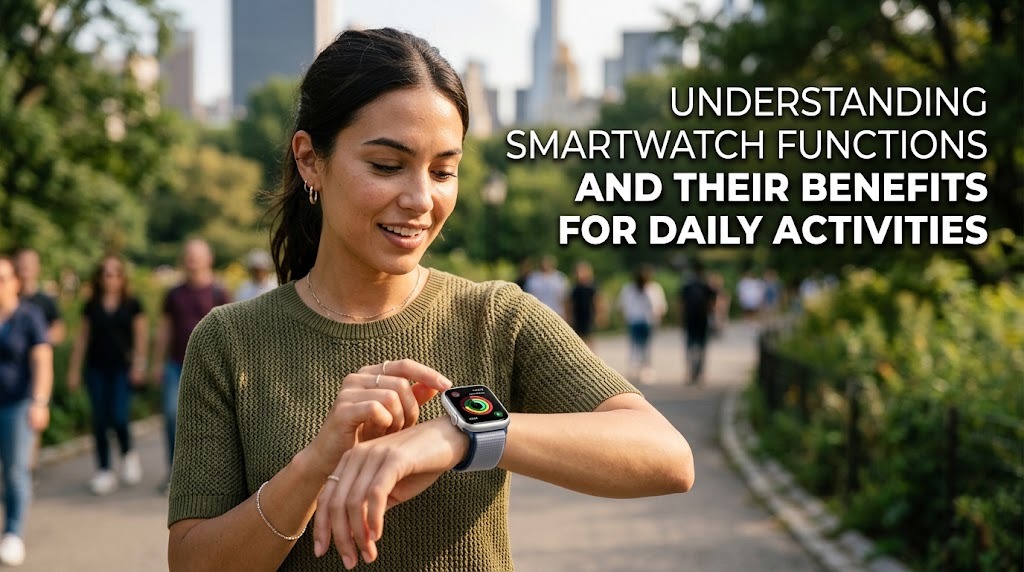
Smartwatches are wearable devices that combine timekeeping with various digital functions. They can connect to smartphones through wireless technology and display important information directly on the wrist. Common Smartwatch Functions include notifications, activity tracking, alarms, calendars, music controls, and communication features. Some models also provide health and fitness measurements using built-in sensors. These functions make smartwatches useful for people who want convenient access to information during their daily routines.
The available features can differ depending on the smartwatch model, operating system, and manufacturer. Some devices focus more on fitness, while others provide stronger communication or productivity features. Users should understand these differences before choosing a device for their needs. A smartwatch becomes more useful when its functions match the user's lifestyle and daily activities. Therefore, understanding its main capabilities can help users use the device more effectively.
SUPPORTING COMMUNICATION
One of the most practical smartwatch features is its ability to display smartphone notifications. Users can receive information about incoming calls, messages, emails, or application notifications without immediately taking out their phones. Some smartwatches also allow users to respond to messages or answer calls, depending on the model and connection. This can be helpful when someone is exercising, traveling, working, or carrying other items. As a result, smartwatches can make everyday communication more convenient.
However, users should avoid checking notifications too frequently. Constant alerts can become distracting, especially during studying, meetings, or important conversations. Smartwatches usually allow users to customize which notifications appear on the device. By selecting only Important Notifications, users can reduce unnecessary interruptions. This makes the smartwatch a helpful communication tool rather than a source of constant distraction.
MONITORING HEALTH AND FITNESS
Many modern smartwatches include sensors designed to provide Health Monitoring and fitness information. Depending on the device, these features may include heart rate measurements, step counting, sleep tracking, workout recording, or estimates related to blood oxygen. Users can review this information to understand their activity patterns and develop healthier routines. Fitness tracking can also help users observe exercise duration and progress over time. These features are especially useful for people who want simple access to personal wellness information.
Smartwatch measurements should be understood as estimates rather than perfect medical measurements. Accuracy can vary because of movement, device placement, sensor quality, and other factors. Users should not rely on a smartwatch alone to diagnose a medical condition. If unusual symptoms or serious health concerns occur, professional medical advice is more appropriate. Used correctly, smartwatches can provide Useful Health Information while encouraging greater awareness of daily habits.
HELPING WITH DAILY PRODUCTIVITY
Smartwatches can support Daily Productivity through reminders, alarms, calendars, timers, and task notifications. Users can set reminders for appointments, study sessions, exercise periods, or other important activities. Having these alerts on the wrist can make it easier to remember tasks without repeatedly checking a smartphone. Some devices can also synchronize schedules and reminders with compatible applications. This makes the smartwatch a convenient tool for organizing everyday responsibilities.
Productivity features work best when users keep them simple and relevant. Too many reminders can make the device overwhelming and reduce concentration. Users can prioritize important tasks and turn off notifications that are not necessary. A well-organized smartwatch can therefore support Better Time Management without creating additional distractions. The goal is to use technology to manage tasks more efficiently, not to remain connected every minute.
MAKING EXERCISE MORE ORGANIZED
Smartwatches can make exercise routines easier to organize by recording different types of physical activity. Depending on the model, users may select workout modes for walking, running, cycling, swimming, or other activities. The device can record information such as duration, distance, heart rate, and estimated energy expenditure. Reviewing these records can help users understand their exercise habits. This information may also encourage greater consistency in maintaining physical activity.
Users should still focus on how their bodies feel rather than depending entirely on smartwatch numbers. Exercise goals should be appropriate for each person's fitness level and circumstances. Rest and recovery are also important parts of a balanced exercise routine. Smartwatches can provide useful feedback, but they cannot replace professional coaching or medical evaluation when specialized guidance is required. With reasonable use, Fitness Tracking can help make exercise more structured and motivating.
IMPROVING CONVENIENCE IN EVERYDAY LIFE
Smartwatches bring several useful functions together in a small wearable device. Users can check the time, notifications, schedules, activity information, and other data without constantly reaching for their smartphones. This convenience can be valuable during work, study, exercise, travel, and other daily activities. Some models also provide features such as contactless payments, navigation assistance, or music controls, depending on regional availability and device compatibility. These functions demonstrate how Smart Technology can simplify small tasks throughout the day.
Despite their advantages, smartwatches are not necessary for everyone. Users should consider their actual needs, preferred features, battery requirements, compatibility, and budget before purchasing one. Privacy should also be considered because some smartwatch features involve collecting personal activity or health-related data. Understanding privacy settings can help users make more informed choices about their information. Overall, a smartwatch is most beneficial when its features provide Real Daily Benefits rather than simply adding more technology to a user's routine.
CONCLUSION
Smartwatches provide a wide range of functions that can support communication, health awareness, fitness, productivity, and everyday convenience. Features such as Health Monitoring, Fitness Tracking, notifications, reminders, and time management tools can make daily activities more organized. However, users should understand the limitations of smartwatch measurements and avoid becoming overly dependent on digital information. Choosing relevant features and managing notifications can make the experience more comfortable and useful. When used responsibly, Smartwatch Functions can provide practical support for modern daily activities.
About the Author
Gusti Ayu Tita P
Author — STEKOM University
An active author focused on academic issues, educational technology, and human resource development in the campus environment.















