Understanding Social Media Ethics to Avoid Negative Impacts
Gusti Ayu Tita P
7 Agustus 2026
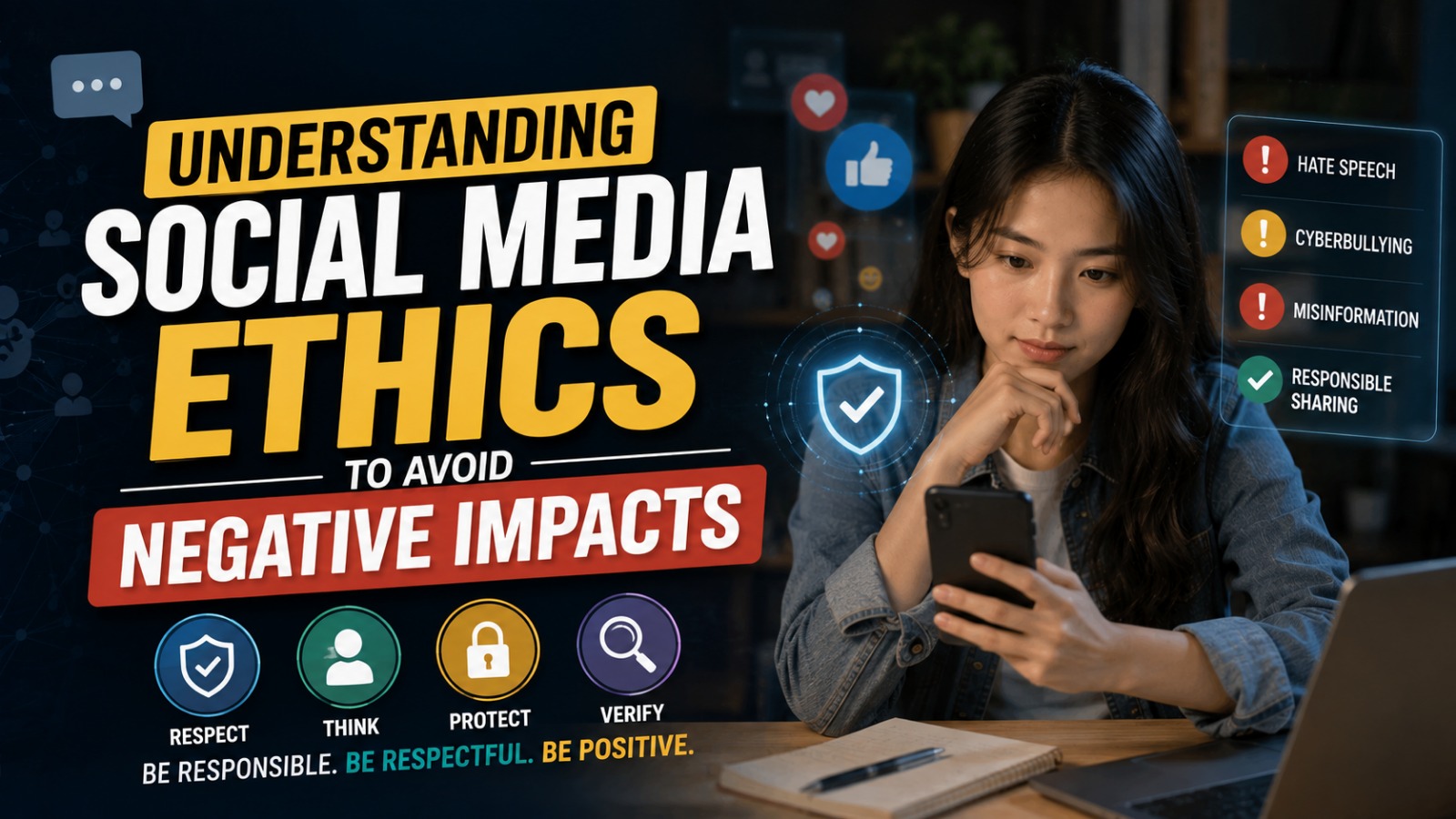
Social media has become an essential part of modern life, allowing people to communicate, share ideas, and access information instantly. While these platforms offer many benefits, they also present challenges such as cyberbullying, misinformation, privacy violations, and online conflicts. Without proper awareness, users may unintentionally contribute to harmful online behavior. Therefore, understanding social media ethics is essential for creating a respectful, safe, and positive digital environment.
Practicing ethical behavior on social media benefits both individuals and communities. It encourages responsible communication, protects personal privacy, and promotes healthy online interactions. By developing good digital habits, users can maximize the advantages of social media while minimizing its negative effects.
WHAT IS SOCIAL MEDIA ETHICS?
Social media ethics refers to the principles and standards that guide responsible behavior when using digital platforms. These principles include respecting others, protecting privacy, sharing accurate information, and communicating politely. Ethical behavior helps users build trust and maintain healthy relationships in online communities. It also reduces conflicts caused by misunderstandings or inappropriate content.
Social media ethics is not limited to avoiding harmful actions. It also involves actively promoting kindness, honesty, and accountability in every online interaction. By understanding these values, users can contribute to a more positive and supportive digital space.
THE IMPORTANCE OF RESPONSIBLE ONLINE COMMUNICATION
Every post, comment, or message shared online has the potential to influence others. Responsible communication means thinking carefully before publishing content and considering its possible impact. Using respectful language helps prevent unnecessary arguments and encourages meaningful discussions. This habit creates a more welcoming environment for everyone.
Responsible communication also includes respecting differences in opinions. People have diverse backgrounds, beliefs, and experiences, making disagreements natural. Instead of responding emotionally, ethical users listen carefully, express their views politely, and avoid offensive language that may harm others.
AVOIDING MISINFORMATION AND FALSE CONTENT
One of the biggest challenges in the digital age is the rapid spread of misinformation. Many users share articles, images, or videos without verifying whether they are accurate. This behavior can confuse the public and contribute to unnecessary panic or misunderstanding. Ethical social media users always check reliable sources before sharing information.
Verifying facts also strengthens digital literacy. Reading complete articles, comparing multiple trusted sources, and understanding the context behind information help users make informed decisions. By sharing only verified content, individuals play an important role in reducing the spread of false information.
PROTECTING PRIVACY AND PERSONAL INFORMATION
Maintaining online privacy is another important aspect of social media ethics. Users should avoid sharing sensitive personal information such as home addresses, financial details, or confidential documents. Protecting personal data reduces the risk of identity theft, fraud, and other cyber threats. Privacy settings should also be reviewed regularly to ensure appropriate security.
Respecting the privacy of others is equally important. Before posting photos, videos, or personal information involving other people, ask for their permission whenever possible. This simple habit demonstrates respect and helps maintain trust in personal and professional relationships.
DEALING WITH NEGATIVE ONLINE BEHAVIOR
Unfortunately, social media can sometimes become a place for harassment, hate speech, or cyberbullying. Ethical users should avoid participating in harmful discussions or encouraging abusive behavior. Instead, they should report inappropriate content through platform features and support individuals who experience online harassment. Taking responsible action helps create a safer digital community.
Remaining calm during online disagreements is also important. Responding with respect rather than anger often prevents conflicts from becoming more serious. Practicing empathy allows users to understand different perspectives and maintain constructive conversations.
BUILDING POSITIVE DIGITAL HABITS
Creating positive online habits begins with using social media purposefully. Limit unnecessary screen time, follow reliable educational accounts, and engage with content that encourages learning and personal growth. Positive habits improve both mental well-being and the overall online experience. They also reduce exposure to harmful or misleading content.
It is also beneficial to reflect on personal online behavior regularly. Consider whether shared content is accurate, respectful, and useful to others. Small improvements in daily digital behavior can have a lasting positive impact on individuals and online communities.
CONCLUSION
Understanding social media ethics to avoid negative impacts is essential in today's digital society. Ethical behavior includes communicating respectfully, verifying information before sharing, protecting personal privacy, and responding responsibly to online challenges. These practices help create a healthier and more trustworthy online environment for everyone.
Social media is a powerful tool when used wisely. By applying social media ethics consistently, individuals can enjoy the benefits of digital communication while minimizing risks and contributing to a safer, more respectful online community.
About the Author
Gusti Ayu Tita P
Author — STEKOM University
An active author focused on academic issues, educational technology, and human resource development in the campus environment.