
Understanding the Responsibilities of Being the Oldest Child
Gusti Ayu Tita P
7 September 2026
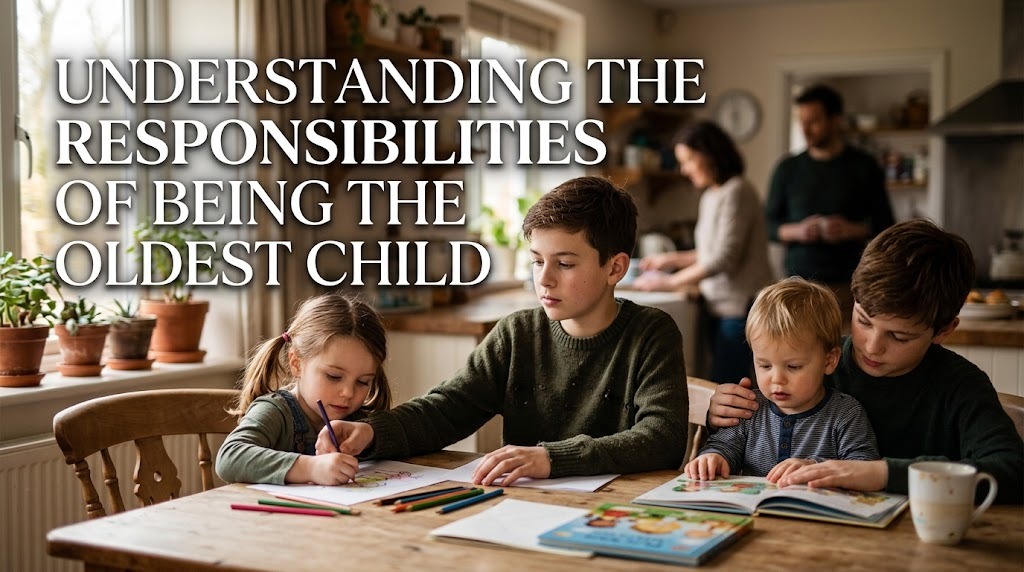
Being the oldest child in a family can be a meaningful experience filled with both opportunities and challenges. The firstborn often receives attention from parents while also being expected to become a good example for younger siblings. These expectations can shape the way an oldest child thinks, behaves, and responds to family situations. Although every family has different dynamics, many firstborn children experience a stronger sense of responsibility as they grow. Understanding these responsibilities can help families create a healthier and more supportive relationship with their oldest child.
THE ROLE OF THE OLDEST CHILD IN THE FAMILY
The oldest child often has a unique position within the family because they are usually the first to experience important stages of childhood. Parents may learn how to raise children through their experiences with the firstborn, while younger siblings may later benefit from what the family has learned. Because of this position, the oldest child can become an important figure for younger brothers and sisters. Being a role model does not mean that the firstborn must always be perfect, but their behavior can still influence younger siblings.
In many families, the oldest child also helps create a sense of stability at home. They may assist younger siblings with simple activities, offer advice, or help parents when appropriate. However, these responsibilities should remain reasonable and suitable for the child's age. An oldest child is still a child and needs time to learn, play, rest, and make mistakes. Giving responsibilities without excessive pressure can help the firstborn develop confidence while maintaining a healthy childhood.
COMMON RESPONSIBILITIES OF THE FIRSTBORN CHILD
One common responsibility of the oldest child is helping younger siblings when parents are busy. This may include assisting with homework, showing them how to complete simple tasks, or helping them understand household rules. Some firstborn children may also be asked to keep an eye on younger siblings for short periods. These experiences can teach useful skills such as patience, communication, and problem solving. The responsibility should support development rather than become a substitute for parental care.
The level of responsibility can differ depending on the family's circumstances, culture, and household structure. Some oldest children may have very few duties, while others may contribute more to daily family activities. Parents should clearly explain what is expected instead of assuming that the firstborn will automatically understand. Responsibilities should be shared fairly among family members whenever possible. This approach helps prevent the oldest child from feeling that they are carrying the entire family burden.
HOW RESPONSIBILITY CAN DEVELOP LEADERSHIP SKILLS
Being responsible can help the oldest child develop leadership skills from an early age. When children are trusted with suitable tasks, they have opportunities to practice decision making and problem solving. They may learn how to communicate with younger siblings, organize activities, and respond calmly to small conflicts. These experiences can become useful skills in school, friendships, and future workplaces. Leadership develops through practice, guidance, and learning from mistakes rather than through birth order alone.
Parents can encourage leadership by giving the firstborn appropriate opportunities to take initiative. For example, they might allow the child to organize a family activity or help a younger sibling with a simple project. At the same time, parents should avoid making the oldest child responsible for controlling their siblings. Healthy leadership involves cooperation and communication, not authority over other family members. With balanced support, responsibility can become a positive foundation for personal growth.
EMOTIONAL PRESSURE AND FAMILY EXPECTATIONS
Although responsibility can have positive effects, being the oldest child may sometimes create emotional pressure. Parents may expect the firstborn to behave more maturely because younger siblings are watching them. Statements such as needing to be a perfect example can make some children afraid of making mistakes. Over time, this pressure may cause an oldest child to become overly concerned about disappointing their parents. Children need to understand that making mistakes is a normal part of growing up.
Family expectations can also become difficult when parents compare the oldest child with younger siblings. Each child has different abilities, interests, and personalities, so the same standards may not work for everyone. Parents can reduce pressure by recognizing individual achievements instead of focusing only on performance. Emotional support is just as important as teaching responsibility. When firstborn children feel accepted even when they make mistakes, they are more likely to develop healthy confidence and independence.
BUILDING A HEALTHY RELATIONSHIP WITH YOUNGER SIBLINGS
The oldest child can play an important role in building a strong relationship with younger siblings. Simple activities such as playing together, sharing hobbies, studying, or talking about daily experiences can create positive connections. The firstborn can also become someone younger siblings trust when they need advice or encouragement. However, a healthy sibling relationship should be based on mutual respect rather than one child constantly acting as a parent. Both older and younger siblings need opportunities to express their feelings and opinions.
Parents can support this relationship by encouraging cooperation instead of competition. Giving siblings shared responsibilities can teach them how to communicate and solve problems together. When disagreements occur, parents should guide the children rather than automatically blaming the oldest child. Sibling relationships become stronger when every child feels valued and heard. Over time, these positive experiences can create a lasting bond that continues into adulthood.
CONCLUSION
Being the oldest child can bring responsibility, expectations, and valuable opportunities for personal development. Firstborn children may learn leadership, patience, communication, and problem solving through appropriate family responsibilities. However, they should not be expected to become perfect examples or take over the role of parents. Balanced responsibilities and emotional support are essential for helping the oldest child grow in a healthy way. When parents respect the needs of every child, being the firstborn can become a positive experience that strengthens both individual development and family relationships.
About the Author
Gusti Ayu Tita P
Author — STEKOM University
An active author focused on academic issues, educational technology, and human resource development in the campus environment.















