Understanding the Role of a District Head in Local Government
Gusti Ayu Tita P
12 Agustus 2026
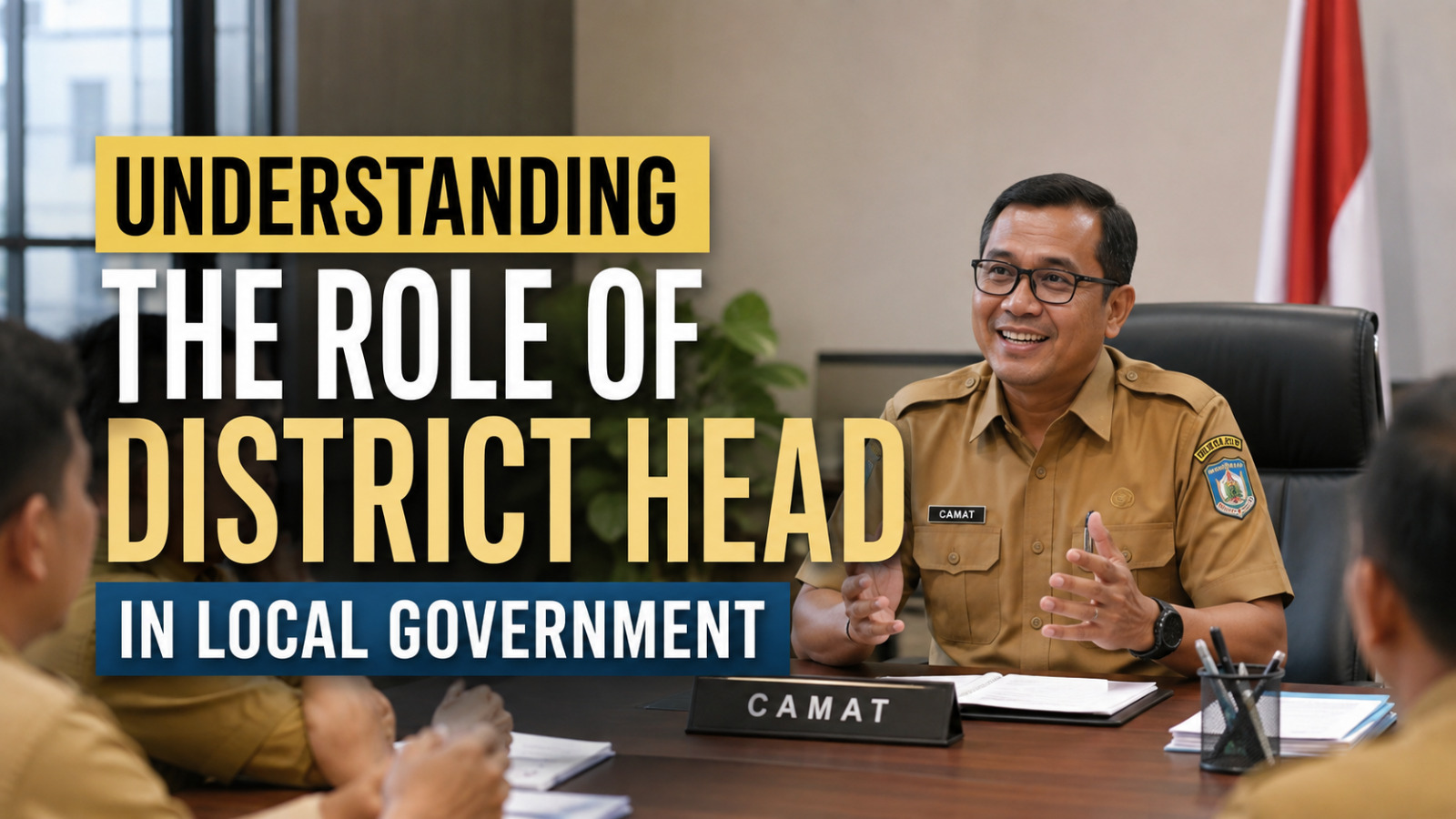
A district head plays an important role in connecting higher levels of government with local communities. In many local government systems, the district head is responsible for coordinating administrative activities, supporting public services, and helping implement government policies at the local level. Understanding this role is important because effective local leadership can directly influence the quality of services received by citizens. A district head also works with village leaders, government agencies, and community groups to address local needs. Through good coordination and responsible leadership, the district head can contribute to better local governance and community development.
THE ROLE OF A DISTRICT HEAD IN LOCAL GOVERNMENT
The district head generally serves as a local government coordinator within a district or subdistrict area. Their responsibilities may include supervising administrative activities, coordinating government programs, and ensuring that policies are implemented effectively. The district head also communicates local conditions and community needs to higher levels of government. This position requires strong leadership because many public issues involve several government institutions at the same time.
A district head may also help ensure that government programs reach communities fairly and efficiently. They can coordinate with village heads, public service offices, community organizations, and other stakeholders. Effective coordination allows different programs to work toward common development goals. As a result, the district head becomes an important link between government institutions and residents.
MAIN RESPONSIBILITIES OF A DISTRICT HEAD
One of the main responsibilities of a district head is administrative coordination. They help organize government activities within their area and monitor whether programs are being carried out according to applicable regulations. They may also supervise administrative services and coordinate responses to problems affecting residents. These responsibilities require knowledge of government procedures, communication skills, and careful decision making.
Another important responsibility is supporting public service delivery. District heads can coordinate efforts related to population administration, community facilities, social programs, and other local services. They should listen to residents and identify problems that require government attention. By understanding local conditions, they can help government institutions respond to community needs more effectively.
DISTRICT HEADS AND PUBLIC SERVICES
A district head can contribute to improving public services by encouraging government offices to provide services that are accessible, responsive, and transparent. Residents often depend on local government offices for administrative documents and other essential services. If coordination between offices is weak, citizens may experience delays or confusion. Strong leadership can help identify these problems and encourage better cooperation.
Technology can also support improvements in local public services. Digital administration, online information systems, and electronic communication can make certain services faster and easier to access. However, digital solutions should be accompanied by assistance for residents who are not familiar with technology. Inclusive public services should ensure that people with different levels of digital access can still receive appropriate assistance.
COORDINATION WITH VILLAGE GOVERNMENT
District heads often work closely with village heads because villages are directly connected to local communities. The district head can coordinate government programs that involve several villages or require cooperation between different administrative levels. This relationship helps ensure that policies are understood and implemented consistently. At the same time, village governments can provide information about specific problems experienced by their residents.
Good coordination should be based on clear communication and mutual respect. A district head should not simply give instructions but should also listen to information from village officials and community representatives. Two way communication can help identify practical challenges before they become larger problems. Cooperation between district and village governments can therefore strengthen local administration.
SUPPORTING COMMUNITY DEVELOPMENT
A district head can support community development by coordinating programs related to education, health, infrastructure, economic activities, and social welfare. Local development should consider the actual conditions and priorities of residents. For example, communities may need better roads, improved public facilities, employment opportunities, or support for small businesses. The district head can help connect these needs with relevant government programs.
Community participation is also important in development planning. Residents often understand local problems because they experience them directly. District heads can encourage public discussions, community meetings, and other forms of participation. Community involvement can make development programs more relevant and increase public support for government initiatives.
LEADERSHIP SKILLS NEEDED BY A DISTRICT HEAD
A successful district head needs strong leadership and communication skills. They must be able to communicate government policies clearly while also listening to concerns from residents and government employees. Good communication can reduce misunderstandings and encourage cooperation. Leadership is also important when difficult decisions must be made in response to local problems.
A district head should also have problem solving, organizational, and decision making abilities. Local government issues can involve limited resources, different community interests, and complex administrative procedures. Integrity and accountability are equally important because local leaders are expected to act responsibly and follow applicable regulations. These qualities can help build public trust in local government.
CHALLENGES IN MODERN LOCAL GOVERNANCE
Modern district heads face challenges that are different from those encountered in the past. Communities increasingly expect fast, transparent, and high quality public services. At the same time, local governments may have to manage limited budgets, changing regulations, technological developments, and diverse public expectations. These conditions require local leaders to adapt while maintaining proper administrative standards.
Another challenge is ensuring that government programs are inclusive. Different communities may have different economic conditions, cultural backgrounds, and access to technology. A district head must therefore understand local circumstances before implementing policies or coordinating programs. Flexible and responsive leadership can help local government respond to these differences more effectively.
BUILDING TRUST WITH THE COMMUNITY
Public trust is an important part of effective local government. District heads can build trust by being transparent, responsive, and accountable in carrying out their responsibilities. Residents are more likely to support government programs when they understand their purpose and can see how decisions are made. Providing clear information can also reduce misinformation and unnecessary conflict.
Listening to citizens is another practical way to strengthen public trust. District heads can use public meetings, community discussions, complaint channels, and other communication methods to understand residents' concerns. Problems should be followed by appropriate action whenever possible. Consistent communication and responsible service can create stronger relationships between local government and the community.
CONCLUSION
Understanding the role of a district head in local government shows why this position is important for effective administration and community services. A district head can coordinate government programs, support public services, work with village governments, and encourage community development. The position also requires leadership, communication, integrity, and problem solving skills to address increasingly complex local challenges. By listening to residents and coordinating government institutions effectively, district heads can help create more responsive and inclusive local governance. Ultimately, strong local leadership can contribute to better public services and stronger communities.
About the Author
Gusti Ayu Tita P
Author — STEKOM University
An active author focused on academic issues, educational technology, and human resource development in the campus environment.