Understanding Train Stations and Their Role in Modern Transportation
Gusti Ayu Tita P
10 Agustus 2026
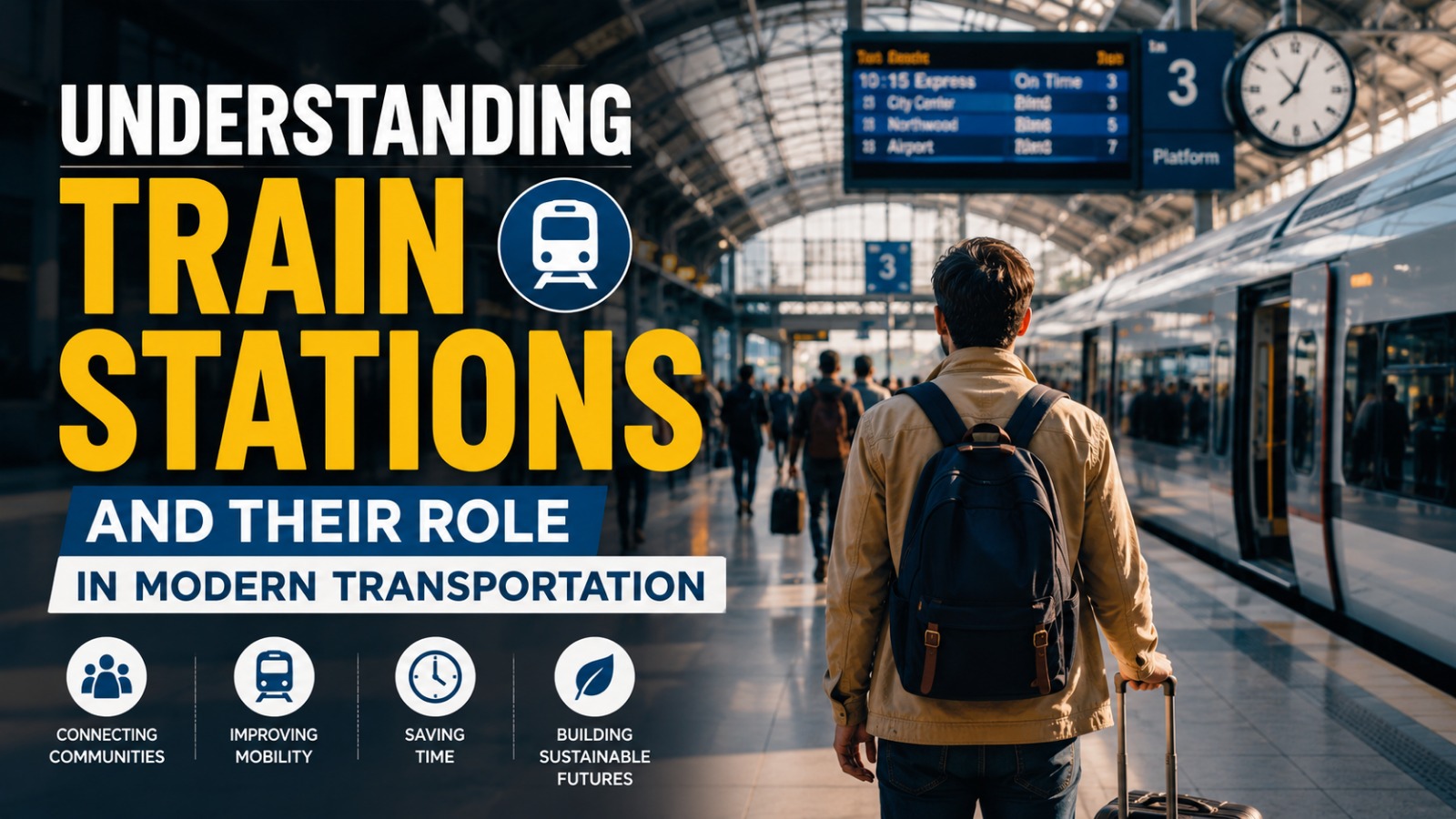
Train stations are important places that connect passengers with different destinations through railway transportation. They are more than just locations where people wait for trains because they provide various services that support the entire travel process. As cities continue to grow, train stations have become an essential part of modern transportation systems. They help people travel efficiently while reducing dependence on private vehicles. Understanding how train stations work can help passengers enjoy safer and more convenient journeys.
WHAT IS A TRAIN STATION?
A train station is a designated place where trains stop to pick up and drop off passengers or, in some cases, handle freight. Most passenger stations provide facilities such as platforms, ticket counters, waiting areas, information boards, and entrances and exits. The size and design of a station depend on its location, passenger volume, and railway network. Large stations may have multiple platforms and connections to buses, taxis, or urban rail systems. Smaller stations usually provide simpler facilities but still perform the basic function of connecting passengers to railway services.
Train stations also serve as important points for managing passenger movement. Clear signs, announcements, and organized platforms help passengers identify their trains and boarding locations. Station staff can provide information about schedules, platforms, tickets, and other travel requirements. Good station management is necessary to prevent confusion, especially during busy periods. Therefore, a well-organized station contributes directly to a better passenger experience.
THE MAIN FUNCTIONS OF TRAIN STATIONS
One of the most important functions of a station is to provide a safe location for passengers to board and leave trains. Stations also support ticketing, passenger information, security checks, and luggage management. In busy locations, they help regulate large numbers of people entering, waiting, and leaving the railway system. Passenger safety and efficient movement are major priorities in station operations. These functions make train stations an important part of the overall railway network.
Another important function is connecting different forms of transportation. Many modern stations are integrated with buses, taxis, ride-hailing services, bicycles, and urban trains. This allows passengers to continue their journey without relying entirely on private cars. Transportation integration can make travel faster and more convenient, particularly in large cities. It also supports better connections between residential areas, business districts, airports, and other important destinations.
THE ROLE OF TRAIN STATIONS IN MODERN TRANSPORTATION
Train stations play a major role in supporting modern mobility because railways can transport many passengers efficiently. In areas with heavy road traffic, trains can provide an alternative to private cars and motorcycles. Well-connected railway networks allow people to travel between cities and regions without needing to drive long distances. This can reduce pressure on roads and improve the overall efficiency of transportation systems. As urban populations increase, reliable train stations become increasingly important.
Rail transportation can also contribute to more sustainable travel. When more people choose trains instead of individual vehicles, the number of vehicles using roads may decrease. Depending on the railway system and energy sources used, rail travel can also have a lower environmental impact per passenger than many individual car trips. Sustainable transportation is becoming increasingly important as cities seek ways to manage congestion and environmental challenges. Train stations therefore have an important role in supporting cleaner and more efficient mobility.
FACILITIES THAT SUPPORT PASSENGERS
Modern train stations usually offer various facilities designed to make travel more convenient. Common facilities include waiting rooms, toilets, ticketing services, information counters, seating areas, and food outlets. Larger stations may also provide elevators, escalators, prayer rooms, charging points, retail stores, and accessibility facilities. These services help passengers prepare for their journey while waiting for their trains. The availability of appropriate facilities can significantly improve passenger comfort.
Technology has also changed the way passengers use station facilities. Digital information displays can provide real-time information about train schedules, platforms, delays, and departures. Mobile applications may allow passengers to purchase tickets, check schedules, and receive travel notifications before reaching the station. Some stations also use electronic gates and contactless payment systems to make passenger movement faster. These developments demonstrate how technology is becoming an important part of modern railway services.
TRAIN STATIONS AND URBAN DEVELOPMENT
Train stations can influence the development of the areas surrounding them. A major station can attract businesses, hotels, restaurants, shops, offices, and other services because of the large number of people passing through the area. This can create new economic opportunities and increase the value of nearby commercial areas. Transit-oriented development is one approach that places housing, businesses, and public facilities near transportation networks. As a result, train stations can become important centers of urban activity.
The impact of a station can extend beyond transportation. Easy access to rail services can make it more convenient for people to reach workplaces, schools, shopping areas, and public services. Businesses may benefit from improved accessibility and increased customer traffic. Local governments can also use railway infrastructure as part of broader urban planning strategies. This shows that a train station can contribute to both transportation and regional development.
WHY TRAIN STATIONS ARE IMPORTANT FOR PASSENGERS
For passengers, a train station provides a structured environment for starting, continuing, or ending a journey. It gives travelers access to essential information and services in one location. Clear information and reliable facilities can reduce stress, particularly for passengers who are unfamiliar with the railway system. Stations also provide designated areas for boarding and waiting, helping passengers travel in an organized manner. These functions make the station an essential part of the passenger journey.
Passengers can benefit from understanding the basic layout and procedures of a station before traveling. Checking the train schedule, platform information, ticket requirements, and departure time can help prevent unnecessary problems. Arriving early is also useful because large stations may require additional time to reach the correct platform. Paying attention to announcements and information displays can help passengers respond to schedule changes. Simple preparation can make the entire railway experience more comfortable and efficient.
THE FUTURE OF TRAIN STATIONS
The future of train stations is likely to focus on smart technology, sustainability, accessibility, and better transportation integration. Artificial intelligence, digital ticketing, automated systems, and real-time passenger information can improve station operations. Smart systems may also help railway operators manage crowds, identify operational problems, and improve security. At the same time, stations are expected to become more accessible to elderly passengers and people with disabilities. These developments can create a more inclusive transportation environment.
Future stations may also become more closely connected with other forms of public transportation. Passengers could move more easily between trains, buses, bicycles, and other mobility services through integrated digital platforms. Energy-efficient buildings, renewable energy systems, and environmentally responsible designs may also become more common. Smart and sustainable train stations can support the transportation needs of growing cities while addressing environmental challenges. The station of the future will therefore be more than a place for boarding trains; it will become an important part of connected urban life.
CONCLUSION
Train stations are essential components of modern transportation because they connect passengers, cities, and regions through railway networks. Their functions include providing boarding areas, passenger services, information, security, and connections with other transportation modes. Modern stations are also becoming more comfortable, accessible, technologically advanced, and environmentally responsible. As cities continue to develop, their role in supporting mobility and economic activity will become increasingly important. Understanding the function of train stations can help passengers travel more confidently while appreciating their broader contribution to modern society.
About the Author
Gusti Ayu Tita P
Author — STEKOM University
An active author focused on academic issues, educational technology, and human resource development in the campus environment.