Understanding Workaholism and Its Impact on Mental Health
Gusti Ayu Tita P
22 Juli 2026
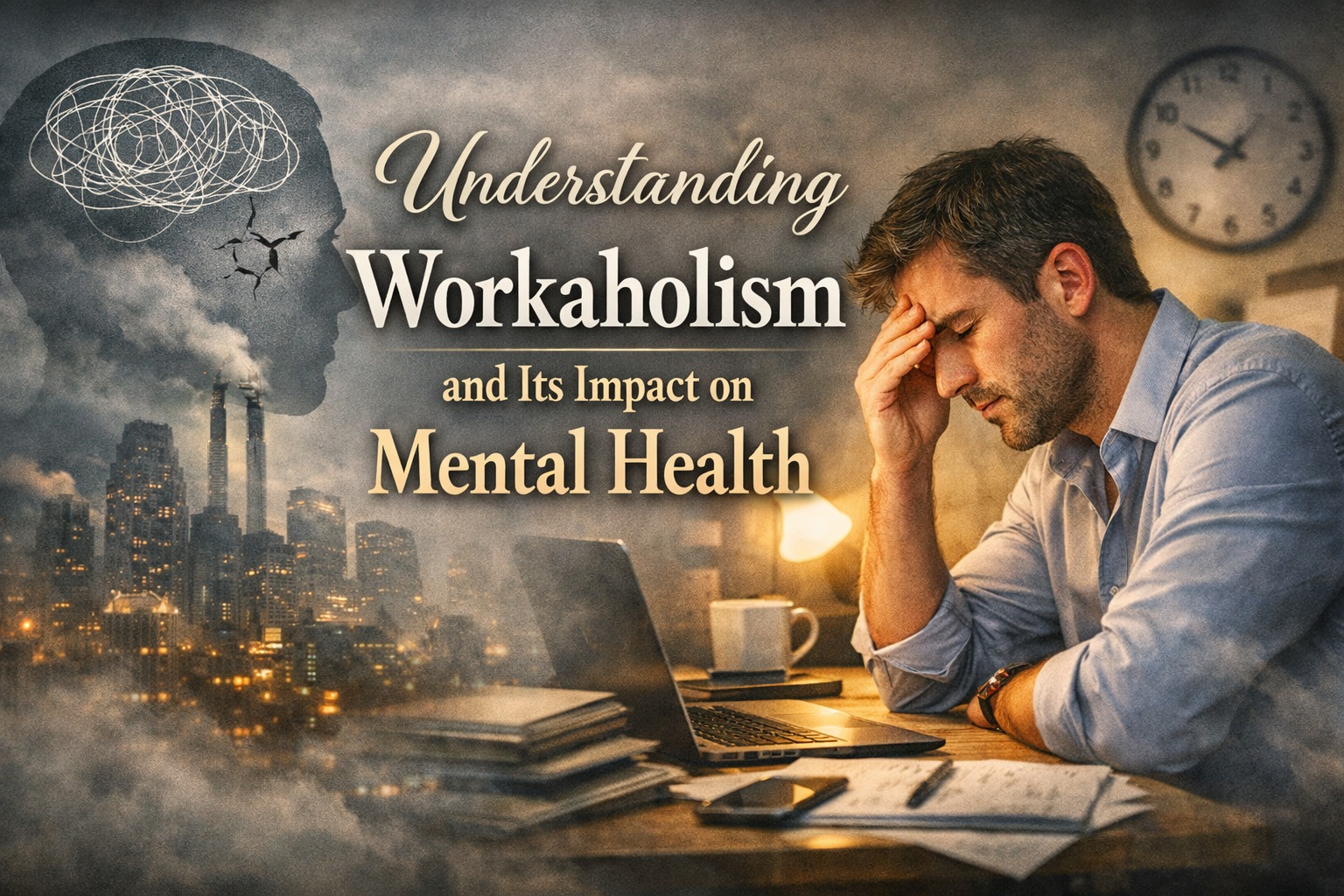
In today's fast-paced professional environment, dedication to work is often viewed as a positive trait. However, when the desire to achieve success becomes excessive and uncontrollable, it can develop into workaholism. Unlike healthy ambition, workaholism involves an obsessive need to work continuously, often at the expense of personal well-being, relationships, and overall happiness. Understanding this condition is essential because its effects extend far beyond the workplace.
As modern technology makes it easier to stay connected to work around the clock, many individuals struggle to maintain a healthy balance between professional and personal life. This growing issue has increased concerns about mental health, work-life balance, and long-term emotional well-being.
WHAT IS WORKAHOLISM?
Workaholism is a behavioral pattern characterized by an uncontrollable urge to work excessively. People affected by workaholism often feel guilty or anxious when they are not working, even during vacations or personal time. Unlike employees who simply enjoy their jobs, workaholics find it difficult to disconnect from work-related responsibilities.
This condition is not always driven by financial needs. In many cases, it stems from perfectionism, fear of failure, a desire for recognition, or pressure to meet high expectations. Over time, the constant focus on work can become a harmful habit that negatively affects various aspects of life.
COMMON SIGNS OF WORKAHOLISM
One of the most noticeable signs of workaholism is spending excessive hours working beyond what is required. Individuals may frequently skip breaks, work late into the night, or continue checking emails during weekends and holidays. They often prioritize work over family activities, hobbies, and social interactions.
Another common indicator is the inability to relax without feeling guilty. Even when there are opportunities to rest, workaholics may constantly think about unfinished tasks or upcoming projects. This mindset can create ongoing stress and prevent proper mental recovery.
THE IMPACT OF WORKAHOLISM ON MENTAL HEALTH
The connection between workaholism and mental health is significant. Constant work-related stress can lead to emotional exhaustion, making individuals feel overwhelmed and mentally drained. As stress levels increase, concentration, decision-making abilities, and emotional stability may begin to decline.
Workaholism is also associated with a higher risk of anxiety, depression, and burnout. The pressure to continuously perform at a high level can create feelings of inadequacy and self-doubt. Without proper intervention, these mental health challenges can become severe and affect both personal and professional life.
EFFECTS ON PHYSICAL HEALTH AND RELATIONSHIPS
Although workaholism is often discussed in terms of mental health, its impact on physical health should not be ignored. Chronic stress can contribute to sleep disturbances, headaches, fatigue, high blood pressure, and weakened immune function. Over time, these issues may increase the risk of serious health complications.
Relationships can also suffer when work becomes the primary focus. Family members and friends may feel neglected due to limited quality time and emotional availability. As personal connections weaken, feelings of loneliness and isolation may increase, further affecting emotional well-being.
STRATEGIES TO PREVENT AND OVERCOME WORKAHOLISM
Maintaining a healthy work-life balance is one of the most effective ways to prevent workaholism. Setting clear boundaries between work and personal life can help individuals create time for rest, recreation, and meaningful relationships. Scheduling regular breaks and limiting after-hours work communication are practical starting points.
It is also important to prioritize stress management through healthy habits such as exercise, adequate sleep, mindfulness practices, and hobbies. Seeking support from family, friends, or mental health professionals can provide valuable guidance for individuals struggling to regain balance in their lives.
THE IMPORTANCE OF A HEALTHY APPROACH TO WORK
Work can provide purpose, financial stability, and personal satisfaction. However, excessive dedication without proper balance can lead to serious consequences for both mental and physical health. Recognizing the warning signs of workaholism is the first step toward creating healthier work habits.
By promoting mental well-being, maintaining a strong work-life balance, and practicing effective stress management, individuals can enjoy professional success without sacrificing their overall quality of life. A balanced approach to work not only improves productivity but also supports long-term happiness and personal fulfillment.
About the Author
Gusti Ayu Tita P
Author — STEKOM University
An active author focused on academic issues, educational technology, and human resource development in the campus environment.