Vehicle Checks to Complete Before Your Homecoming Trip
Gusti Ayu Tita P
10 Agustus 2026
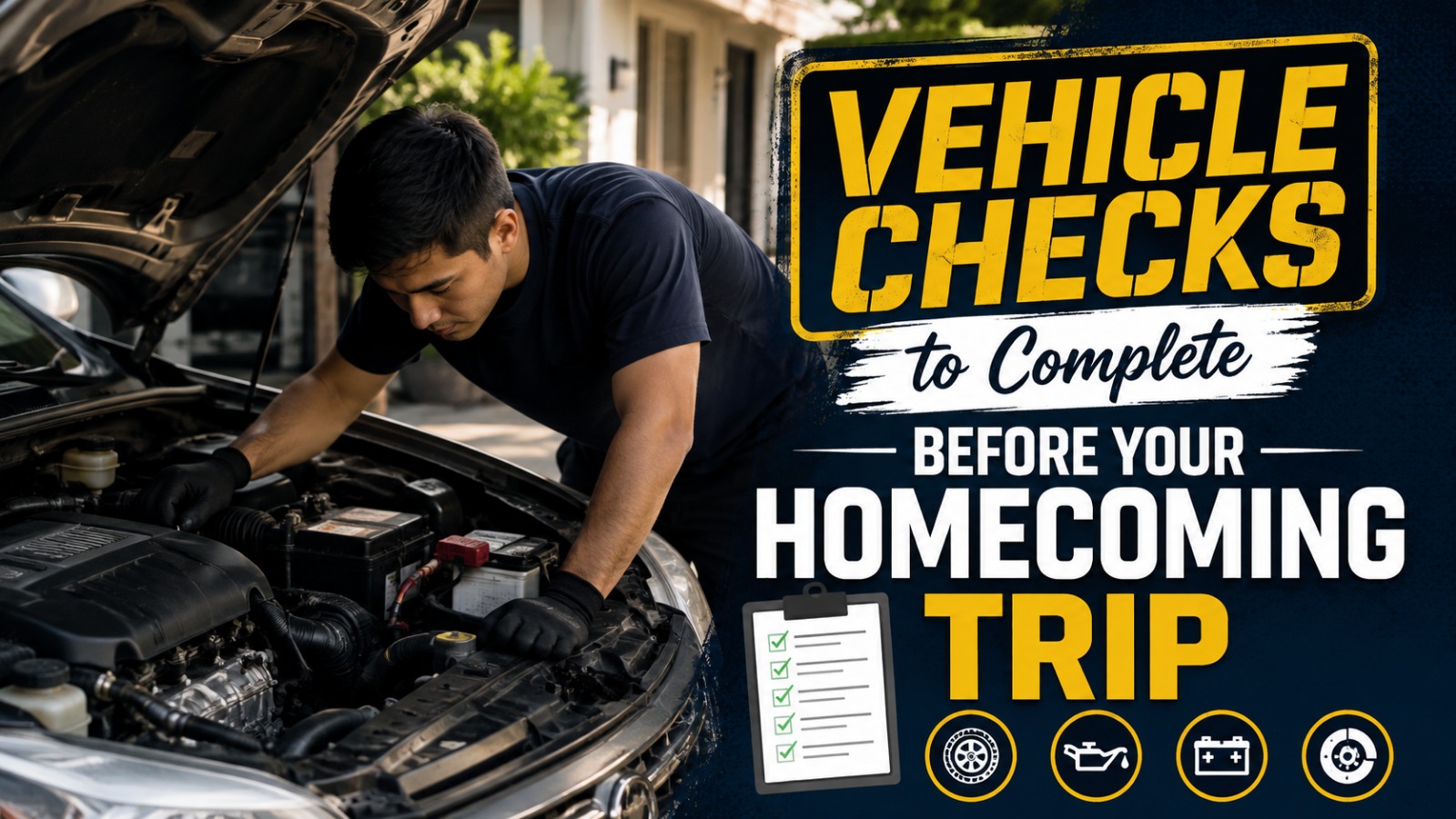
Homecoming trips can involve long distances, heavy traffic, and changing road conditions, so vehicle preparation should not be overlooked. A reliable vehicle can make the journey safer, more comfortable, and less stressful for everyone in the car. Before leaving, drivers should inspect important components such as the tires, brakes, engine oil, battery, lights, and cooling system. These simple checks can help identify potential problems before they become serious on the road.
Preparing a vehicle is especially important when traveling during busy holiday periods. Traffic congestion can increase the time a vehicle spends running, while hot weather and long driving hours can put additional pressure on several components. Therefore, completing a vehicle inspection before departure is a practical step to reduce the risk of breakdowns and delays.
CHECK THE TIRES AND WHEELS
Tires are among the most important components to inspect before a homecoming trip because they are directly connected to road safety. Check whether the tire pressure matches the recommended level stated by the vehicle manufacturer. Incorrect tire pressure can affect vehicle stability, braking performance, fuel efficiency, and tire wear. Drivers should also examine the tread for excessive wear, cracks, bulges, or objects stuck in the tire.
Do not forget to inspect the spare tire and make sure the necessary equipment, such as a jack and wheel wrench, is available. If the tire tread is already significantly worn or the tire has visible damage, replacing it before a long trip is safer than waiting for a problem to occur. Properly maintained tires provide better contact with the road and help the driver maintain control, particularly when driving through wet or uneven surfaces.
INSPECT THE BRAKING SYSTEM
A properly functioning braking system is essential for responding safely to traffic conditions. Before traveling, pay attention to unusual sounds, vibrations, or changes in the brake pedal when braking. If the vehicle takes longer than usual to stop, this may indicate that the braking system needs professional inspection. Brake components should be checked by a qualified technician when there are signs of damage or reduced performance.
The brake fluid should also be checked according to the vehicle manufacturer's recommendations. Low fluid levels or visible leaks should not be ignored because they can affect braking performance. Since homecoming traffic can involve frequent stopping and starting, especially in congested areas, having a reliable braking system is particularly important.
CHECK ENGINE OIL AND OTHER FLUIDS
Engine oil plays an important role in lubricating engine components and helping control friction and heat. Before departure, check the oil level according to the vehicle manufacturer's instructions and look for signs of leaks around the engine. If the oil needs to be changed based on the recommended service interval, it is better to complete the service before starting a long journey.
Other important fluids should also receive attention. Check the coolant, brake fluid, transmission fluid, and windshield washer fluid when applicable to the vehicle. Adequate fluid levels can support normal vehicle operation and help prevent avoidable problems during the trip. If a fluid appears contaminated, leaks repeatedly, or falls below the recommended level, professional inspection may be necessary.
TEST THE BATTERY AND ELECTRICAL SYSTEM
A healthy car battery is important for starting the engine and powering essential electrical systems. Check whether the vehicle starts normally or shows signs of a weak battery, such as slow engine cranking. Battery terminals should also be inspected for corrosion or loose connections. If the battery is approaching the end of its expected service life or has repeatedly caused starting problems, consider having it tested before traveling.
The vehicle's lights and electrical equipment should also be tested. Make sure the headlights, brake lights, turn signals, hazard lights, and other required exterior lights work properly. Good lighting helps improve visibility and allows other road users to recognize the vehicle's movements. This is particularly important when driving at night, during rain, or in areas with limited visibility.
INSPECT THE COOLING SYSTEM
Long-distance driving can place additional demands on the engine cooling system, making it an important part of pre-trip preparation. Check the coolant level when the engine is cool and inspect the area around the radiator, hoses, and reservoir for visible leaks or damage. An overheating engine can interrupt a journey and may cause serious mechanical problems if the warning signs are ignored.
Drivers should also pay attention to the vehicle's temperature gauge or warning indicators while driving. If the engine temperature rises unusually high, it is safer to stop in a suitable location and seek assistance rather than continuing to drive. Never open a hot cooling system because pressurized coolant can cause serious burns.
CHECK WINDSHIELD WIPERS AND VISIBILITY
Good visibility is essential for safe driving, especially when a homecoming trip involves rainy weather or nighttime travel. Inspect the windshield for cracks that could interfere with the driver's view. Wiper blades should be able to clear water effectively without leaving large streaks or areas that remain wet. Replace damaged or worn wipers before the trip if necessary.
The windshield washer fluid should also be sufficient for cleaning dirt and dust from the glass. Clean windows, functioning wipers, and properly adjusted mirrors can help drivers maintain a clear view of surrounding traffic. These may seem like small details, but they can make a significant difference when road conditions suddenly change.
CHECK THE SAFETY EQUIPMENT
In addition to mechanical components, drivers should prepare essential emergency equipment before leaving. A vehicle should ideally have a spare tire, jack, wheel wrench, warning triangle, flashlight, and basic first-aid supplies. Depending on the vehicle and route, carrying additional practical items such as drinking water and a phone charger can also be useful.
It is also important to make sure that the vehicle documents and required personal documents are available before departure. Check that the vehicle registration and relevant driving documents are valid and accessible. Preparing these items in advance can prevent unnecessary problems during the journey. Drivers should also know how to contact roadside assistance or emergency services if the vehicle experiences a serious problem.
PLAN THE VEHICLE CHECK BEFORE DEPARTURE
A vehicle check should ideally be completed before the day of departure, giving enough time to repair or replace components when necessary. A professional service center can perform a more comprehensive inspection if the vehicle has not been serviced recently or if the driver notices unusual symptoms. Do not wait until the last minute because busy holiday periods can make maintenance services more difficult to access.
After completing the inspection, drivers should also consider the travel route, weather conditions, traffic situation, and rest stops. Vehicle preparation works best when combined with responsible driving habits. Avoid driving when excessively tired, follow traffic regulations, and take regular breaks during long journeys. With proper preparation, a homecoming trip can be safer, smoother, and more comfortable.
About the Author
Gusti Ayu Tita P
Author — STEKOM University
An active author focused on academic issues, educational technology, and human resource development in the campus environment.