
Vehicle Maintenance Tips To Improve Fuel Efficiency
Gusti Ayu Tita P
10 Agustus 2026
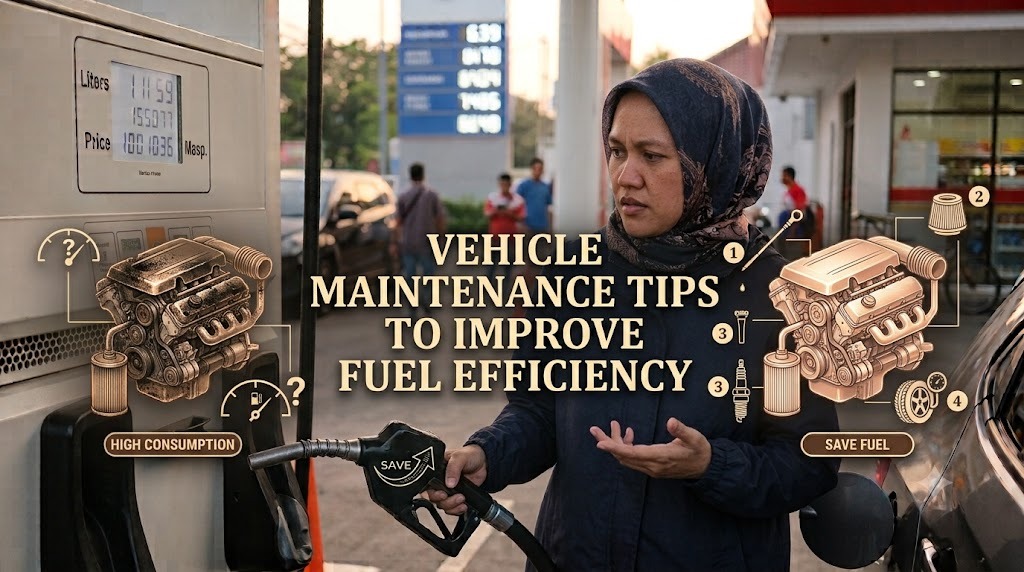
Vehicle maintenance plays an important role in keeping a car or motorcycle operating efficiently. A well-maintained vehicle can use fuel more effectively, provide better performance, and reduce unnecessary expenses. Many drivers focus only on fuel prices, but proper maintenance is also a key factor that affects fuel efficiency.
Over time, vehicle components can wear out and reduce performance if they are not properly maintained. Problems such as dirty filters, low tire pressure, and poor engine conditions can cause the vehicle to consume more fuel. By following regular maintenance practices, drivers can improve efficiency and extend the lifespan of their vehicles.
REGULARLY CHECK ENGINE CONDITION
The engine is the main component responsible for converting fuel into energy. A healthy engine can perform the combustion process efficiently, while a poorly maintained engine may require more fuel to produce the same power. Regular engine inspections help identify problems before they become more serious.
Drivers should pay attention to unusual signs such as strange noises, reduced acceleration, engine vibrations, or warning lights. These symptoms may indicate problems with engine components that affect fuel consumption. Early inspection can prevent higher repair costs and unnecessary fuel waste.
Following the recommended maintenance schedule from the manufacturer is essential. Regular oil changes, inspections, and component checks help maintain engine performance. A clean and properly functioning engine supports better fuel usage and smoother driving.
CHANGE ENGINE OIL ON TIME
Engine oil reduces friction between moving parts and helps the engine operate smoothly. When oil becomes old, dirty, or loses its quality, the engine has to work harder. This increased friction can reduce efficiency and cause higher fuel consumption.
Using the correct type of engine oil according to vehicle specifications is important. Different engines require different oil characteristics to achieve optimal performance. The wrong oil can affect lubrication and increase wear on engine components.
Changing engine oil regularly is a simple but effective maintenance step. Fresh oil helps reduce friction, protect internal parts, and maintain stable engine operation. Proper lubrication contributes to better fuel economy and longer engine life.
MAINTAIN PROPER TIRE PRESSURE
Tire condition has a significant effect on fuel consumption. Tires with incorrect pressure create higher rolling resistance, making the engine work harder to move the vehicle. As a result, more fuel is required during driving.
Drivers should check tire pressure regularly and follow the recommended pressure level provided by the manufacturer. Properly inflated tires improve vehicle movement, handling, and fuel efficiency. This simple habit can help reduce fuel waste without major expenses.
Tire condition should also be inspected for uneven wear or damage. Poor alignment or worn tires can increase resistance and reduce vehicle performance. Maintaining good tire conditions supports safer driving and better fuel efficiency.
REPLACE DIRTY AIR FILTERS
The air filter allows clean air to enter the engine for the combustion process. A dirty or clogged air filter can restrict airflow and affect the balance between air and fuel. This condition may cause the engine to burn more fuel than necessary.
Regularly checking and replacing the air filter helps maintain proper engine breathing. A clean air intake system allows the engine to receive enough oxygen for efficient combustion. This improves performance and prevents unnecessary fuel consumption.
The replacement interval depends on vehicle type, driving conditions, and environmental factors. Vehicles used in dusty areas may require more frequent air filter checks. Maintaining a clean air filter is a simple way to support better vehicle maintenance.
INSPECT FUEL SYSTEM COMPONENTS
The fuel system is responsible for delivering fuel to the engine at the correct amount and timing. Components such as fuel injectors, fuel pumps, and fuel filters must work properly to maintain efficiency. Problems in the fuel system can cause poor combustion and increased fuel usage.
Dirty fuel injectors may distribute fuel unevenly, reducing engine performance. A clogged fuel filter can also limit fuel flow and affect engine operation. Regular inspections help keep the fuel system clean and functioning properly.
Using quality fuel and following maintenance recommendations can protect fuel system components. Proper fuel system care supports efficient combustion and reduces the risk of expensive repairs. A healthy fuel system contributes to consistent vehicle performance.
KEEP THE COOLING SYSTEM IN GOOD CONDITION
The cooling system helps maintain the engine at the correct operating temperature. An engine that overheats or operates below its ideal temperature may use fuel inefficiently. Cooling problems can also cause serious engine damage if ignored.
Drivers should regularly check coolant levels and inspect components such as the radiator, hoses, and cooling fan. Maintaining proper coolant levels helps prevent overheating and keeps the engine working efficiently. A stable engine temperature supports better fuel usage.
Ignoring cooling system problems can reduce vehicle reliability. Regular checks and timely repairs prevent small issues from becoming major problems. A properly functioning cooling system is an important part of efficient vehicle operation.
CHECK SPARK PLUG CONDITIONS
Spark plugs play an important role in gasoline engines by creating the spark needed for fuel combustion. Worn or damaged spark plugs can cause incomplete combustion and reduce engine efficiency. This condition may lead to higher fuel consumption and reduced performance.
Drivers should inspect spark plugs according to the vehicle manufacturer's recommendations. Replacing worn spark plugs helps maintain stable ignition and smoother engine operation. Clean and functional spark plugs allow the engine to use fuel more effectively.
Poor spark plug conditions may also cause difficulty starting the vehicle or uneven engine performance. Addressing these problems early prevents further efficiency issues. Proper spark plug maintenance supports better combustion and fuel savings.
REDUCE UNNECESSARY VEHICLE WEIGHT
The amount of weight carried by a vehicle can affect fuel consumption. Heavy loads require more energy from the engine, especially during acceleration and uphill driving. Removing unnecessary items can help reduce the workload on the vehicle.
Drivers should regularly check their vehicle storage areas and remove items that are rarely used. External accessories such as unused roof racks can also increase air resistance. Reducing unnecessary weight helps improve vehicle efficiency.
A lighter vehicle generally requires less fuel to move. This maintenance habit does not require additional costs and can provide long-term benefits. Managing vehicle weight is a practical step toward improving fuel savings.
FOLLOW A REGULAR MAINTENANCE SCHEDULE
A regular maintenance schedule helps ensure that every vehicle component works properly. Preventive maintenance allows drivers to identify problems before they affect performance and fuel consumption. Skipping maintenance may result in higher costs and reduced efficiency.
Important maintenance activities include oil changes, filter replacements, tire inspections, brake checks, and engine evaluations. Each component contributes to overall vehicle performance. Maintaining all systems properly creates better fuel efficiency.
Consistency is the key to effective vehicle care. Regular servicing keeps the vehicle reliable, reduces fuel waste, and extends its operational life. Good maintenance habits provide long-term benefits for every vehicle owner.
CONCLUSION
Proper vehicle maintenance is one of the most effective ways to improve fuel efficiency. Regular engine checks, timely oil changes, proper tire pressure, clean filters, and fuel system care help vehicles operate more efficiently.
By applying these maintenance tips consistently, drivers can reduce fuel consumption, lower operating costs, and extend vehicle lifespan. A well-maintained vehicle not only provides better performance but also supports more economical and environmentally responsible transportation.
About the Author
Gusti Ayu Tita P
Author — STEKOM University
An active author focused on academic issues, educational technology, and human resource development in the campus environment.















