
Ways to Reduce the Negative Effects of Social Media on Modern Teenagers
Gusti Ayu Tita P
25 Juli 2026
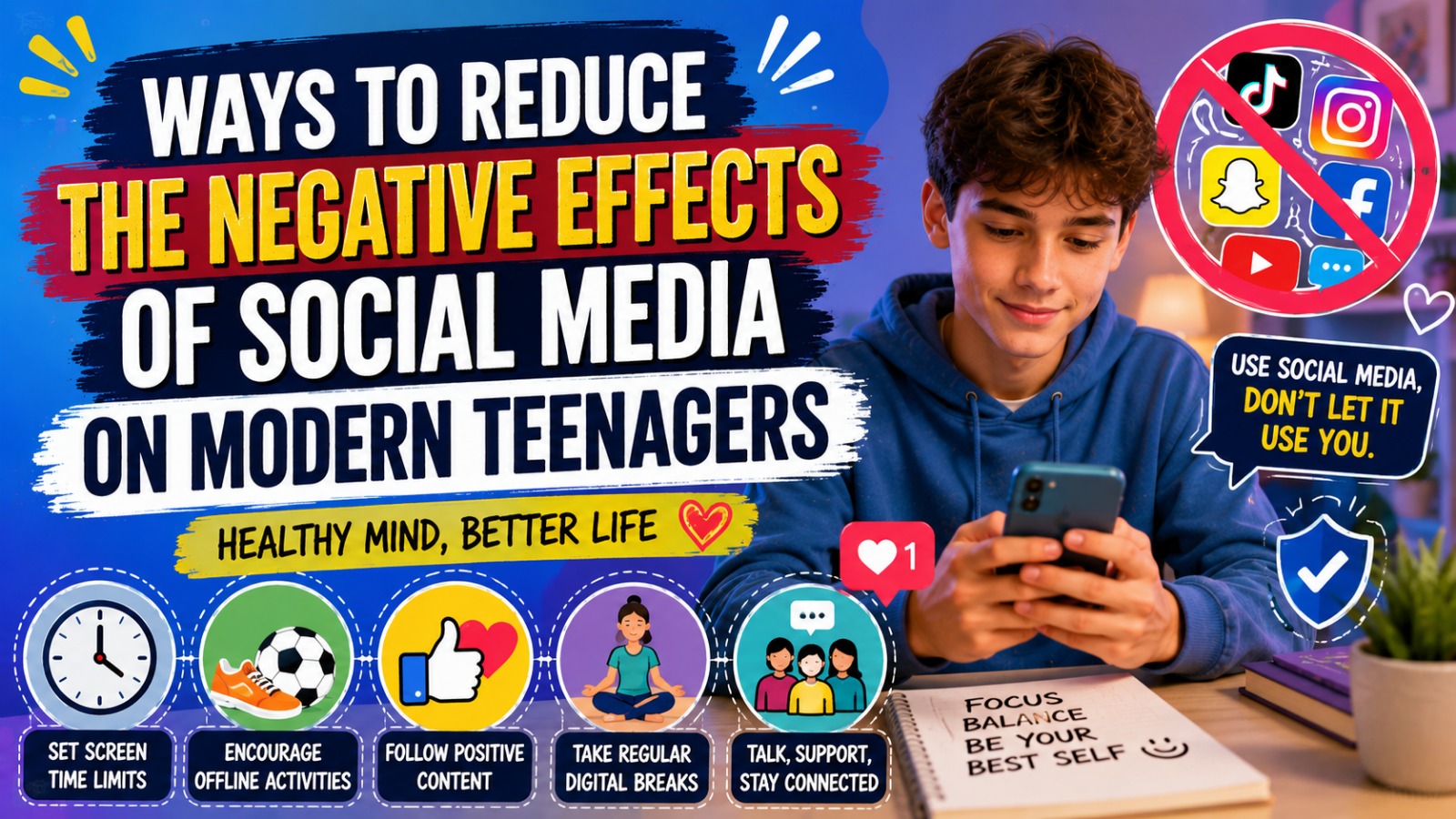
Social media has become an important part of everyday life for modern teenagers. It helps them communicate, learn new things, and stay connected with friends and family. However, excessive and uncontrolled use of social media can lead to various problems, including stress, anxiety, reduced productivity, and lower self-confidence. Understanding how to minimize these negative impacts is essential for maintaining a healthy and balanced lifestyle. By adopting the right habits, teenagers can enjoy the benefits of social media without letting it harm their mental, emotional, and physical well-being.
UNDERSTAND THE IMPACT OF SOCIAL MEDIA
The first step in reducing the negative effects of social media is understanding how it influences daily life. Many teenagers spend hours scrolling through content, often comparing themselves to others. This can create unrealistic expectations about appearance, lifestyle, and success. Over time, such comparisons may affect self-esteem and overall happiness.
Teenagers should learn that many social media posts only show the best moments of someone's life. Real life is often very different from what appears online. Developing critical thinking skills helps young people recognize unrealistic content and avoid unnecessary pressure from social media trends.
SET HEALTHY SCREEN TIME LIMITS
One of the most effective ways to manage social media use is by setting clear daily limits. Excessive screen time can interfere with sleep, academic performance, and face-to-face interactions. Establishing a schedule for checking social media helps teenagers maintain better control over their digital habits.
Parents and teenagers can work together to create reasonable rules regarding device usage. For example, avoiding social media during meals, study sessions, and before bedtime can significantly improve focus and overall well-being. Consistent limits encourage a healthier balance between online and offline activities.
PRIORITIZE REAL WORLD CONNECTIONS
Although social media allows people to stay connected virtually, it should not replace real-life relationships. Spending time with family members, friends, and community groups strengthens emotional bonds and improves communication skills. These experiences often provide deeper satisfaction than online interactions.
Participating in sports, hobbies, volunteer work, or social events can help teenagers build meaningful connections. Engaging in real-world activities reduces dependence on social media and promotes a stronger sense of belonging and confidence.
FOLLOW POSITIVE AND EDUCATIONAL CONTENT
Not all social media content is harmful. Teenagers can improve their online experience by following accounts that provide educational information, motivation, and personal development resources. Positive content can inspire creativity, learning, and self-improvement.
It is also important to unfollow or mute accounts that create negative feelings, encourage unhealthy comparisons, or spread misinformation. Creating a positive digital environment helps support better mental health and a more productive use of social media platforms.
DEVELOP STRONG DIGITAL LITERACY
Digital literacy is an essential skill in today's online world. Teenagers should learn how to identify reliable sources of information and recognize misleading content. Understanding how algorithms work can also help them become more aware of why certain content appears in their feeds.
Strong digital literacy enables teenagers to make smarter decisions online. It encourages responsible sharing, protects personal privacy, and reduces the risk of becoming influenced by harmful trends or false information.
PROTECT MENTAL AND EMOTIONAL HEALTH
Social media can sometimes contribute to feelings of loneliness, anxiety, or stress. Teenagers should regularly evaluate how online activities affect their emotions. If certain platforms or interactions consistently create negative feelings, taking breaks can be beneficial.
Practicing mindfulness, exercising regularly, and maintaining healthy sleep habits can support emotional well-being. Seeking support from trusted adults, friends, or counselors is also important when social media begins to negatively affect mental health.
ENCOURAGE BALANCED TECHNOLOGY USE
Technology should be viewed as a tool rather than a constant necessity. Teenagers can benefit from balancing social media use with other productive activities such as reading, learning new skills, or spending time outdoors. A balanced lifestyle promotes both personal growth and mental wellness.
Creating technology-free periods during the day can help reduce dependency on digital devices. These moments encourage relaxation, creativity, and stronger personal connections, contributing to a healthier relationship with social media.
CONCLUSION
Social media offers many advantages, but it can also create challenges for modern teenagers when used excessively or irresponsibly. By understanding its effects, setting healthy boundaries, prioritizing real-world relationships, following positive content, developing digital literacy, protecting mental health, and maintaining balance, teenagers can reduce its negative impact. These strategies help young people enjoy the benefits of technology while supporting their overall well-being and future success.
About the Author
Gusti Ayu Tita P
Author — STEKOM University
An active author focused on academic issues, educational technology, and human resource development in the campus environment.