
What Activities Are Commonly Held During LDKS?
Gusti Ayu Tita P
19 September 2026
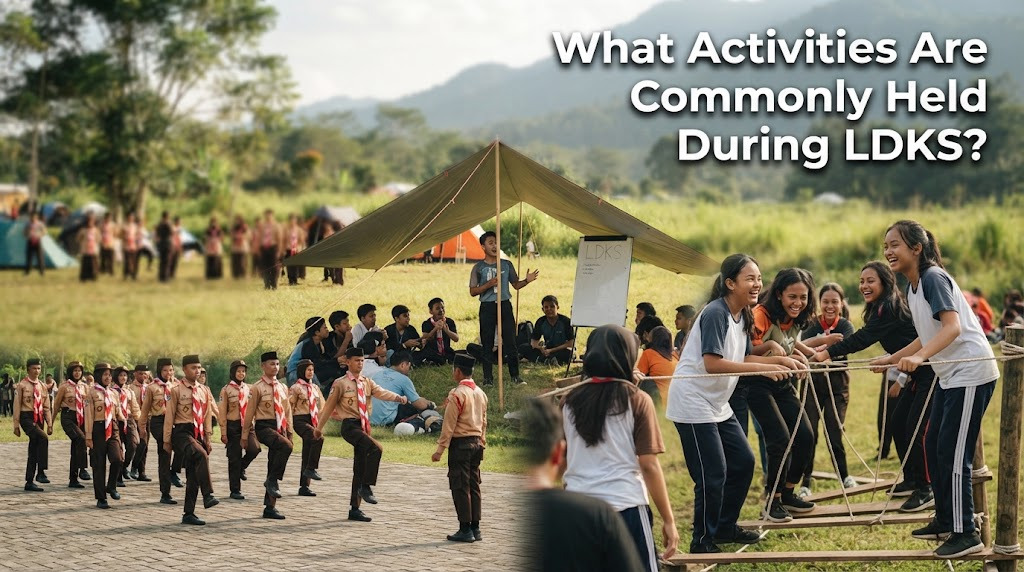
LDKS, or Latihan Dasar Kepemimpinan Siswa, is a student leadership training program that helps students develop leadership abilities and positive character. The program is commonly organized by schools for students involved in organizations, extracurricular activities, or school committees. LDKS combines theory, discussion, teamwork, and practical activities so students can learn leadership through direct experience. The activities can differ between schools depending on their goals, student needs, and available facilities. However, most programs focus on developing responsibility, discipline, communication, cooperation, and confidence.
The purpose of LDKS is not simply to teach students how to become organizational leaders. It also helps them understand how to work with others, solve problems, and complete responsibilities. Through different activities, students can discover their strengths and learn how to improve their weaknesses. This makes LDKS a useful learning experience for both current school activities and future challenges.
WHAT LEADERSHIP MATERIALS ARE TAUGHT DURING LDKS?
One common activity during LDKS is leadership material and classroom sessions. Students may learn about the meaning of leadership, the characteristics of a responsible leader, and the importance of setting goals. Trainers can also explain topics such as discipline, decision making, communication, teamwork, and organizational responsibility. These sessions give students basic knowledge before they practice leadership through other activities. Discussions can also allow students to ask questions and share their opinions.
Leadership materials are usually presented in an interactive way rather than only through lectures. Students may be asked to analyze simple situations or discuss how they would respond to a particular problem. Active participation helps students connect leadership concepts with situations they may experience at school. This approach can make the training easier to understand and more relevant to students.
HOW DO GROUP DISCUSSIONS AND TEAMWORK ACTIVITIES WORK?
Group discussions and teamwork activities are commonly included in LDKS because leadership requires cooperation with other people. Students are usually divided into small groups and given a topic, question, or task to discuss. Each member has an opportunity to contribute ideas and listen to different perspectives. The group may then present its conclusions to other participants. This process helps students practice communication, cooperation, and confidence.
Teamwork activities can also involve challenges that require students to achieve a shared goal. They may need to divide responsibilities according to each member's abilities and manage limited time. Students can learn that successful teamwork depends on trust, communication, and mutual support. These experiences can also teach students how to handle different opinions without creating unnecessary conflict.
WHAT LEADERSHIP GAMES ARE USED IN LDKS?
Leadership games are another activity often used to make LDKS more interactive and enjoyable. These games may require students to solve puzzles, complete group challenges, follow instructions, or achieve specific objectives within a limited time. Although they are presented as games, they can contain lessons about communication, strategy, teamwork, and leadership. Students are encouraged to think about how their actions influence the group's results. Trainers can discuss the lessons learned after each activity.
Some games may also require students to choose a leader or divide roles among team members. This gives students an opportunity to experience different responsibilities within a group. Problem-solving and decision-making skills can develop when students need to determine the best way to complete a challenge. The reflection session afterward is important because it helps students understand the connection between the game and real leadership situations.
HOW DOES PUBLIC SPEAKING TRAINING HELP STUDENTS?
Public speaking activities can help students become more confident when communicating in front of others. During LDKS, students may be asked to introduce themselves, present group results, deliver a short speech, or explain an idea. These activities give students opportunities to practice speaking clearly and organizing their thoughts. They can also learn how to maintain eye contact, use appropriate body language, and respond to questions. Regular practice can make students more comfortable when speaking before an audience.
Public speaking is closely connected to leadership because leaders often need to communicate goals and instructions to their teams. Students can learn that effective communication requires clarity, confidence, and active listening. They may also receive feedback from trainers or other participants. This feedback can help them identify areas for improvement and gradually develop better communication habits.
WHAT OUTDOOR AND ORGANIZATIONAL ACTIVITIES CAN BE INCLUDED?
Some schools include outdoor activities as part of LDKS. These activities may involve group challenges, obstacle courses, orientation tasks, or other exercises that require cooperation. Outdoor activities can encourage students to communicate and support one another while dealing with different challenges. They can also teach students about discipline and responsibility in an active environment. The exact activities depend on the school's program, location, safety considerations, and objectives.
LDKS may also include organizational training, such as learning how to plan events, divide tasks, manage schedules, and evaluate activities. Students can practice creating simple plans or working according to assigned roles. These activities help them understand that an organization requires coordination and clear responsibilities. The experience can be especially useful for students who participate in student councils or extracurricular organizations.
CONCLUSION
LDKS commonly includes leadership materials, group discussions, teamwork exercises, leadership games, public speaking, outdoor activities, and organizational training. Each activity has a different purpose but generally supports the development of important student abilities. Through these experiences, students can practice communication, discipline, teamwork, problem solving, decision making, and responsibility. The combination of theory and practical activities can make leadership concepts easier for students to understand and apply. Overall, the activities in LDKS can provide valuable experiences that support students' personal growth and participation in school organizations.
About the Author
Gusti Ayu Tita P
Author — STEKOM University
An active author focused on academic issues, educational technology, and human resource development in the campus environment.















