
What Are Common Examples of Toxic Positivity in Everyday Life?
Gusti Ayu Tita P
11 September 2026
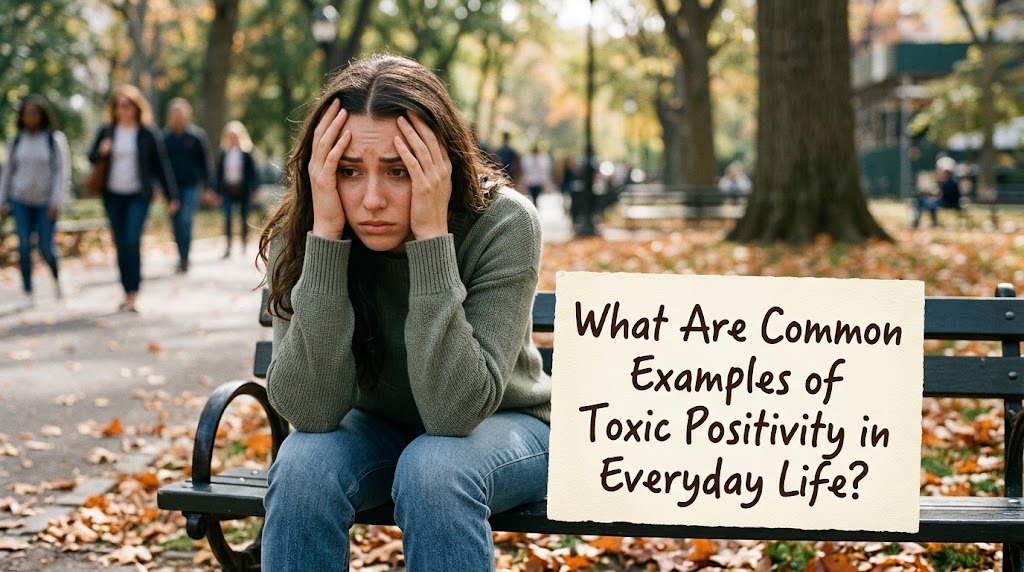
Toxic positivity can appear in everyday life without people realizing that their words may be dismissive. It usually happens when someone responds to another person's difficult emotions by forcing them to focus only on positive thoughts. While encouragement can be helpful, ignoring sadness, disappointment, fear, or stress can make someone feel misunderstood. Toxic positivity can occur at home, among friends, at school, at work, and even on social media. Recognizing common examples can help people communicate with greater empathy and provide healthier emotional support.
TOXIC POSITIVITY IN FAMILY LIFE
Toxic positivity can happen in families when someone is experiencing a difficult situation but is immediately told not to complain. For example, a family member may say just be grateful when someone talks about feeling tired or overwhelmed. Although the intention may be positive, the response can make the person feel that their emotions are not acceptable. Family members should have opportunities to express difficult feelings without being judged. Listening first can often be more helpful than immediately giving advice.
Another example occurs when someone is struggling with work, education, or personal problems but is told that other people have bigger problems. Comparing difficulties does not make someone's feelings disappear. A person can appreciate the good things in life while still feeling exhausted or disappointed. Healthy support recognizes both realities instead of forcing someone to choose between gratitude and sadness. This creates a safer environment for honest communication.
TOXIC POSITIVITY AMONG FRIENDS
Toxic positivity is also common in friendships. A friend may share a failure or disappointment and immediately hear phrases such as do not worry, everything will be fine. While this may sound supportive, the person may first need someone to listen and understand what happened. Moving too quickly toward positive thinking can make their emotions feel ignored. A better response is to acknowledge the difficulty before offering encouragement.
Another example occurs when a friend is dealing with relationship problems and is told to simply forget about it. People process emotional situations differently, so there is no universal timeline for feeling better. Sometimes, a person does not need a solution and only wants a trusted friend to listen. Asking what kind of support they need can prevent well-intended advice from becoming dismissive. Empathy should come before motivation.
TOXIC POSITIVITY AT SCHOOL AND COLLEGE
Students can experience toxic positivity when their academic struggles are quickly dismissed with statements such as just stay positive. A student who receives a poor grade may naturally feel disappointed or frustrated. Those emotions can be acknowledged before discussing how to improve future performance. Telling students that they should not feel upset may prevent them from understanding what went wrong. Constructive support should recognize their feelings while helping them develop better strategies.
College students can also experience pressure from assignments, exams, organizations, and expectations about their future. Telling an overwhelmed student to enjoy the process because college will eventually be harder does not solve the problem. It may instead make the student feel that their current struggles are insignificant. A healthier approach is to listen and help identify practical priorities. Encouragement becomes more useful when it is connected to real support.
TOXIC POSITIVITY IN THE WORKPLACE
In the workplace, toxic positivity can appear when employees are expected to stay motivated despite unreasonable pressure. For example, someone who feels overwhelmed by excessive tasks may simply be told to stay positive. This response ignores the possibility that workload, deadlines, or workplace processes may need to be addressed. Motivation is important, but it should not replace meaningful problem-solving. Employees need opportunities to communicate challenges professionally.
Another example occurs after an employee fails to meet a target. Being told to see every failure as a lesson can be useful, but the situation should also be evaluated objectively. Managers and employees can discuss what caused the problem and what can be improved. If every difficulty is covered with positive statements, important workplace issues may remain unresolved. Healthy encouragement combines optimism with honest evaluation and practical action.
TOXIC POSITIVITY ON SOCIAL MEDIA
Social media can encourage toxic positivity by creating pressure to appear happy, successful, and productive all the time. People often share achievements and enjoyable moments while keeping difficult experiences private. As a result, viewers may assume that others are constantly living positive and successful lives. Comments such as avoid negative energy can discourage people from expressing genuine emotions. This can create an unrealistic expectation that everyone should always appear emotionally strong.
Another issue is the pressure to recover quickly from difficult experiences. Someone dealing with failure, grief, or personal problems may feel expected to return to normal immediately. Emotional recovery, however, takes different amounts of time for different people. Allowing someone to process difficult emotions does not mean encouraging negativity. It simply recognizes that emotional experiences cannot always be solved with a positive message.
HOW TO DISTINGUISH SUPPORT FROM TOXIC POSITIVITY
Not every positive statement is an example of toxic positivity. Healthy encouragement acknowledges the person's emotions before offering hope or possible solutions. For example, saying I know this is difficult, but I believe you can get through it recognizes the problem while still providing encouragement. Toxic positivity, on the other hand, tends to ignore the problem and immediately demand a positive attitude. The difference often depends on whether the person's emotions are acknowledged.
Healthy support also gives people the freedom to decide what kind of help they need. Someone may want advice, while another person may simply need someone to listen. Asking a simple question such as do you want advice or would you like me to listen can prevent misunderstandings. This approach respects individual emotional needs. It also creates stronger and more honest relationships.
HOW TO PROVIDE HEALTHIER EMOTIONAL SUPPORT
The best way to avoid toxic positivity is to practice active listening. Give the person enough time to explain what they are experiencing without interrupting or immediately judging the situation. Use empathetic responses that recognize their feelings rather than minimizing them. After listening, ask whether they would like advice, practical help, or simply companionship. This allows support to be based on their actual needs.
It is also important to avoid comparing one person's problems with someone else's. Statements such as other people have it worse may unintentionally make someone feel guilty for being upset. Instead, acknowledge that their experience is difficult and offer support when appropriate. Positive encouragement can still be valuable when it does not deny reality. A balanced approach combines empathy, acceptance, and realistic hope.
CONCLUSION
Common examples of toxic positivity can be found in family conversations, friendships, schools, workplaces, and social media. The pattern usually appears when difficult emotions are dismissed or replaced with pressure to remain positive. Encouragement becomes healthier when it is combined with empathy, active listening, and practical support. People should be allowed to experience sadness, disappointment, stress, and other difficult emotions without being judged. By recognizing toxic positivity, we can create healthier communication and stronger emotional relationships.
About the Author
Gusti Ayu Tita P
Author — STEKOM University
An active author focused on academic issues, educational technology, and human resource development in the campus environment.















