
What Are the Advantages and Disadvantages of Fingerprint Security Systems?
Gusti Ayu Tita P
14 September 2026
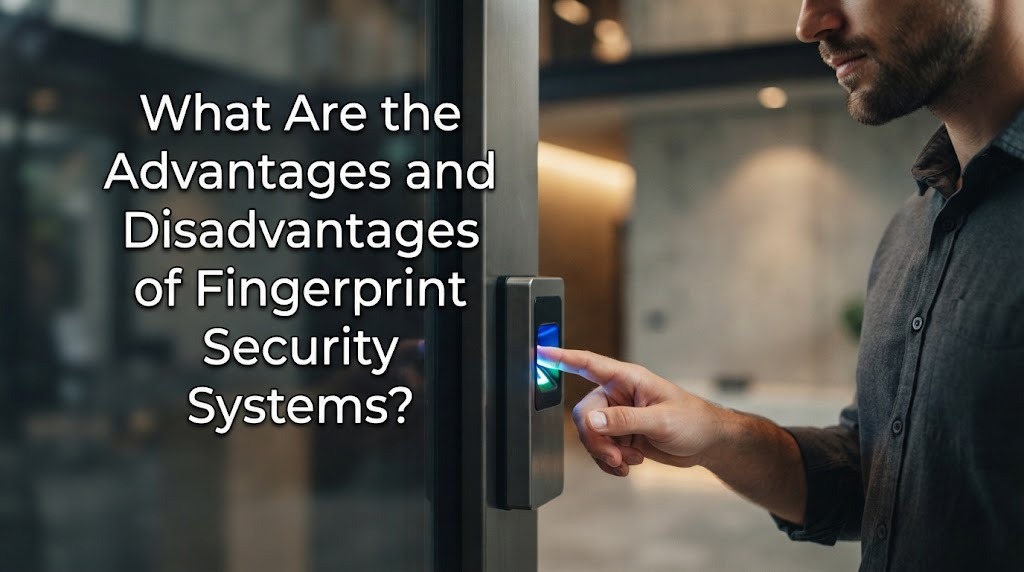
Fingerprint security systems are widely used in workplaces, schools, offices, smartphones, and other environments that require identity verification. These systems use a person's unique fingerprint pattern to confirm access or record activities. Fingerprint Security can provide a convenient alternative to passwords, cards, and manual identification methods. However, fingerprint systems also have limitations that users and organizations need to understand. Knowing both the advantages and disadvantages can help people use this technology responsibly.
FAST AND CONVENIENT IDENTIFICATION
One of the main advantages of fingerprint security is its ability to identify users quickly. Users only need to place a registered finger on the scanner to complete the verification process. They do not need to remember complicated passwords or carry physical access cards. This makes fingerprint authentication practical for everyday activities.
Fast biometric verification can also reduce waiting time in workplaces and other busy environments. Employees can use fingerprint scanners to record attendance without writing their names manually. The process is generally simple and easy to understand. As a result, fingerprint systems can improve convenience while supporting efficient identity management.
STRONGER ACCESS CONTROL
Fingerprint systems can help organizations control access to restricted areas. Only registered users with authorized fingerprints can normally pass the biometric verification process. This can make it more difficult for unauthorized people to use someone else's access card or password. Companies can therefore use fingerprint technology as an additional layer of security.
Biometric access control can be useful for offices, laboratories, server rooms, and other protected areas. Access permissions can be adjusted according to employee roles and responsibilities. Some systems can also record access activities for administrative or security purposes. However, fingerprint technology should still be combined with other security measures when stronger protection is required.
LIMITATIONS OF FINGERPRINT SCANNING
Fingerprint scanners do not always work perfectly under every condition. Dirty, wet, or extremely dry fingers can make fingerprint recognition more difficult. Cuts, burns, or other changes to the fingertip may also affect the scanning process. In addition, technical problems with the sensor or software can prevent successful verification.
These limitations may cause failed fingerprint scans and repeated attempts. Employees may need to clean their fingers or adjust their finger position before scanning again. If the problem continues, technical staff may need to inspect the device. Organizations should provide alternative procedures for situations where biometric verification cannot be completed.
PRIVACY AND DATA PROTECTION CONCERNS
Fingerprint information is biometric data that requires careful protection. Unlike a password, a fingerprint is a physical characteristic that cannot simply be replaced if it is compromised. Organizations that collect biometric information therefore need appropriate security practices. Unauthorized access to biometric databases can create privacy and security risks.
Biometric data protection should include secure storage, controlled access, and responsible data management. Employees should understand why their fingerprints are collected and how the information will be used. Companies should also follow applicable privacy and data protection requirements. Responsible management is essential for maintaining employee trust in fingerprint security systems.
BALANCING BENEFITS AND RISKS
Fingerprint security systems provide important benefits, but they should not be viewed as a perfect security solution. Their effectiveness depends on the quality of the scanner, software, database, and security procedures. Organizations should evaluate their specific needs before implementing biometric technology. They should also consider technical reliability, privacy, maintenance, and alternative authentication methods.
A balanced approach can help companies gain the benefits of Fingerprint Security while reducing potential risks. Regular system maintenance can improve scanning performance and reliability. Strong security policies can help protect biometric information from misuse. When technology and responsible management are combined, fingerprint systems can provide useful support for modern security.
CONCLUSION
Fingerprint security systems offer several advantages, including fast identification, convenient authentication, and improved access control. However, they can experience scanning failures and raise important concerns about biometric data protection. Users and organizations should understand these limitations before relying on fingerprint technology. Proper maintenance, secure data management, and alternative procedures can help reduce potential problems. Fingerprint Security can be effective when implemented carefully and supported by responsible security practices.
About the Author
Gusti Ayu Tita P
Author — STEKOM University
An active author focused on academic issues, educational technology, and human resource development in the campus environment.















