What Are The Benefits Of City Parks As Public Facilities?
Gusti Ayu Tita P
18 September 2026
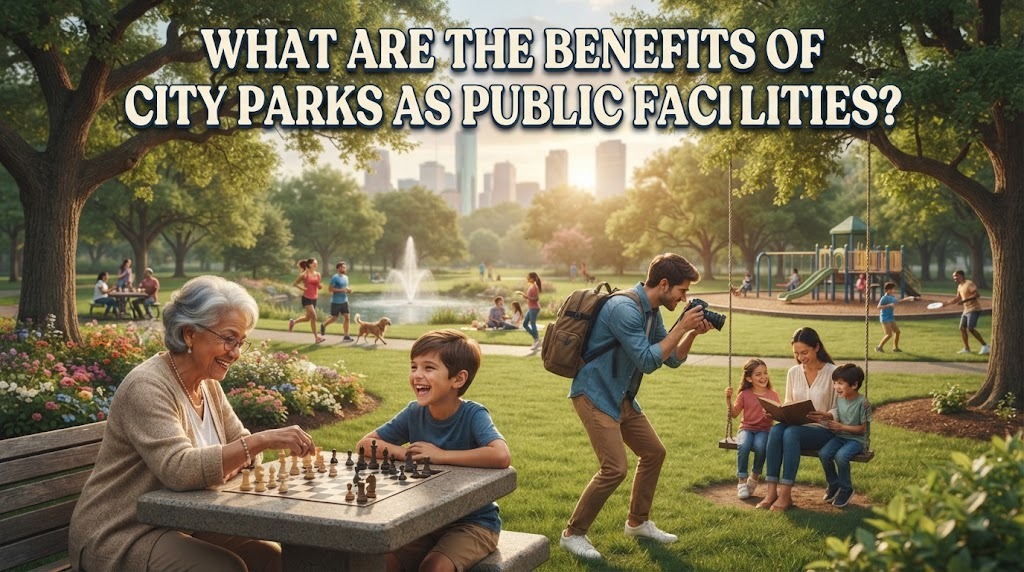
City parks are important public facilities that provide open spaces for people in urban areas. They can include green areas, walking paths, playgrounds, seating areas, and spaces for recreation. As cities become more crowded, parks provide places where people can relax, exercise, and interact with others. They also contribute to a healthier and more comfortable urban environment. For this reason, city parks can provide benefits for both individuals and the wider community.
PROVIDING OPEN GREEN SPACES
City parks provide green spaces where people can spend time away from busy streets and buildings. Trees, grass, plants, and other vegetation can make urban areas feel more natural and comfortable. These spaces can also provide shade and places for people to rest. Green areas are especially valuable in cities where private outdoor spaces may be limited. Therefore, parks can help improve the overall quality of urban public spaces.
SUPPORTING PHYSICAL ACTIVITY
Parks provide suitable areas for people to stay physically active. Walking paths, jogging areas, open fields, and exercise equipment can encourage residents to exercise regularly. People can walk, run, stretch, play sports, or perform other simple activities in these spaces. Regular physical activity is important for maintaining overall health and fitness. Accessible city parks can make exercise easier to include in everyday routines.
SUPPORTING MENTAL WELLBEING
Spending time in a green and peaceful environment can provide a break from busy daily routines. Natural surroundings and outdoor activities may help people relax and reduce feelings of stress. Parks can give residents a comfortable place to sit, walk, read, or enjoy fresh air. A short visit to a park can also provide an opportunity to take a break from screens and indoor environments. This makes city parks useful spaces for relaxation and personal wellbeing.
ENCOURAGING SOCIAL INTERACTION
City parks can bring different members of a community together. Families, friends, children, and other residents can use parks for recreation and social activities. People may meet while walking, exercising, attending community events, or using playgrounds. These interactions can help residents build relationships and become more familiar with their neighbors. As a result, parks can support stronger community connections.
PROVIDING SAFE RECREATIONAL SPACES
Well-designed parks can provide places for people to enjoy their free time in a safe environment. Playgrounds and open areas can give children opportunities to play and explore. Families can also use parks for outdoor activities without needing to travel far from home. Proper lighting, clean pathways, safe equipment, and regular maintenance can improve the user experience. Safe recreational spaces can make city life more enjoyable for different age groups.
IMPROVING THE URBAN ENVIRONMENT
Plants and trees in city parks can contribute to urban environmental quality. Vegetation can provide shade and help make outdoor areas more pleasant, while green spaces can support local biodiversity. Trees and plants can also provide habitats for birds and insects. Parks may help manage some rainwater by allowing water to enter the soil instead of flowing entirely across paved surfaces. These environmental functions make green spaces valuable parts of urban infrastructure.
SUPPORTING CHILDREN AND FAMILIES
City parks can provide children with opportunities for outdoor play and learning. Playgrounds allow children to move, explore, and interact with others in a shared environment. Families can spend time together through walking, playing, exercising, or having simple outdoor activities. These experiences can support children's physical activity and social development. Parks can therefore become useful public spaces for both children and their families.
SUPPORTING COMMUNITY ACTIVITIES
Parks can be used for various community activities and public events. Local groups may organize exercise sessions, cultural events, educational activities, cleanups, or neighborhood gatherings. These activities can make public spaces more active and useful. Community events can also encourage residents to participate in activities outside their homes. With proper management, parks can serve many purposes while remaining accessible to different users.
IMPROVING URBAN COMFORT
Green public spaces can make crowded urban environments feel more comfortable. Trees and shaded areas can provide places where people can rest during outdoor activities. Parks can also offer visual relief from concrete buildings, roads, and other developed areas. Clean facilities, good pathways, seating, and proper maintenance can further improve the experience. These features can contribute to a more comfortable and livable city.
CONCLUSION
City parks provide many benefits as public facilities. They offer green spaces for recreation, physical activity, relaxation, social interaction, and community activities. Parks can also support environmental quality and provide useful spaces for children and families. To maintain these benefits, parks need proper planning, cleanliness, safety measures, and regular maintenance. By protecting and improving city parks, communities can create healthier, more comfortable, and more enjoyable urban environments.
About the Author
Gusti Ayu Tita P
Author — STEKOM University
An active author focused on academic issues, educational technology, and human resource development in the campus environment.