
What Are the Benefits of Fingerprints in Everyday Life?
Gusti Ayu Tita P
14 September 2026
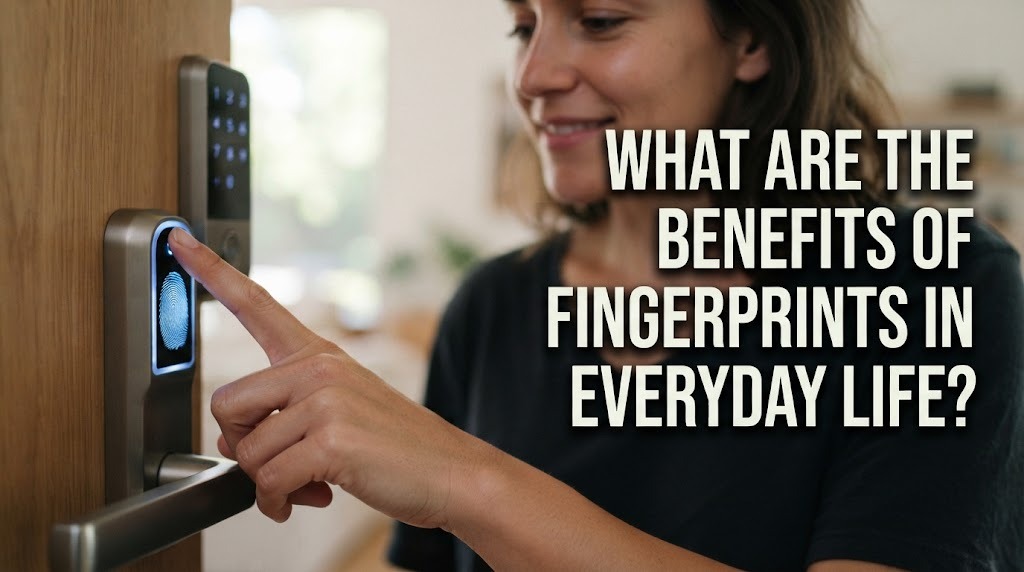
Fingerprints have become an important part of modern daily life because they provide a simple way to verify personal identity. Many devices and systems can recognize users through the unique patterns on their fingertips. This technology can reduce the need to remember passwords or carry physical access cards. Fingerprint recognition is now found in smartphones, workplaces, financial services, and other digital environments. Its practical benefits make biometric technology increasingly familiar to many people.
EASY AND CONVENIENT IDENTIFICATION
One major benefit of fingerprints is their convenience. Users can verify their identity by placing a registered finger on a compatible scanner. They do not need to type a password every time they use a supported system. This can make authentication faster and easier during everyday activities. Fingerprint recognition is especially useful when users need to access a device or service repeatedly.
The process can also reduce the number of things users need to remember. Passwords can be forgotten, while a fingerprint is naturally available on the user's body. However, fingerprint authentication should not be considered a complete replacement for every security method. Some situations still require passwords, PINs, or other verification methods.
FASTER ACCESS TO DIGITAL DEVICES
Fingerprints can make access to smartphones, tablets, and computers faster. Instead of entering a password or PIN, users can authenticate by scanning a registered finger. This can save time when unlocking a device many times throughout the day. Fingerprint recognition can also be used to confirm certain actions on supported devices.
Fast authentication is particularly helpful for people who frequently use digital devices. It can make the user experience smoother without requiring complicated steps. However, the availability of fingerprint features depends on the hardware and software of the device. Users should still keep alternative authentication methods available when fingerprint scanning is unavailable.
SUPPORT FOR WORKPLACE ATTENDANCE
Many workplaces use fingerprints to record employee attendance. An employee can scan a registered finger when arriving and leaving work. The system records the time and associates it with the employee's registered identity. This can reduce manual attendance procedures and make attendance records easier to organize.
Fingerprint attendance can also help reduce certain forms of attendance fraud, such as one employee recording attendance for another. Each employee needs to use their own registered biometric data. However, the system should be managed properly and provide an alternative process when a fingerprint cannot be read. Employee biometric information should also be protected appropriately.
IMPROVED ACCESS CONTROL
Fingerprints can help control access to restricted areas and systems. A building or office can require authorized users to scan their fingerprints before entering certain rooms. The system can compare the scanned fingerprint with registered information before allowing access. This can help organizations limit access to specific people.
Fingerprint-based access control can also make it easier to manage authorization. When an employee's access rights change, the organization can update the relevant biometric permissions. Physical keys or cards may still be used as backup methods. Combining fingerprint authentication with other security measures can provide stronger protection.
REDUCED DEPENDENCE ON PASSWORDS
Fingerprints can reduce dependence on passwords for certain authentication processes. Passwords can be forgotten, entered incorrectly, or exposed to other people. A fingerprint provides a biometric authentication factor that is directly connected to the user. This can make some authentication processes more convenient and less dependent on memorized information.
However, fingerprints have limitations that users should understand. If biometric information is compromised, it cannot simply be changed like a password. For this reason, organizations should use secure biometric systems and protect stored data carefully. Fingerprint technology works best when convenience is combined with privacy and security protection.
CONCLUSION
Fingerprints provide many benefits in everyday life, including convenient identification, faster device access, workplace attendance, and access control. They can simplify authentication and reduce the need to repeatedly enter passwords. At the same time, fingerprint systems require proper security and responsible management of biometric information. Users should understand both the advantages and limitations of this technology. When implemented correctly, fingerprints can make many daily activities faster and more convenient.
About the Author
Gusti Ayu Tita P
Author — STEKOM University
An active author focused on academic issues, educational technology, and human resource development in the campus environment.