What Are the Benefits of LDKS for Student Character Development?
Gusti Ayu Tita P
19 September 2026
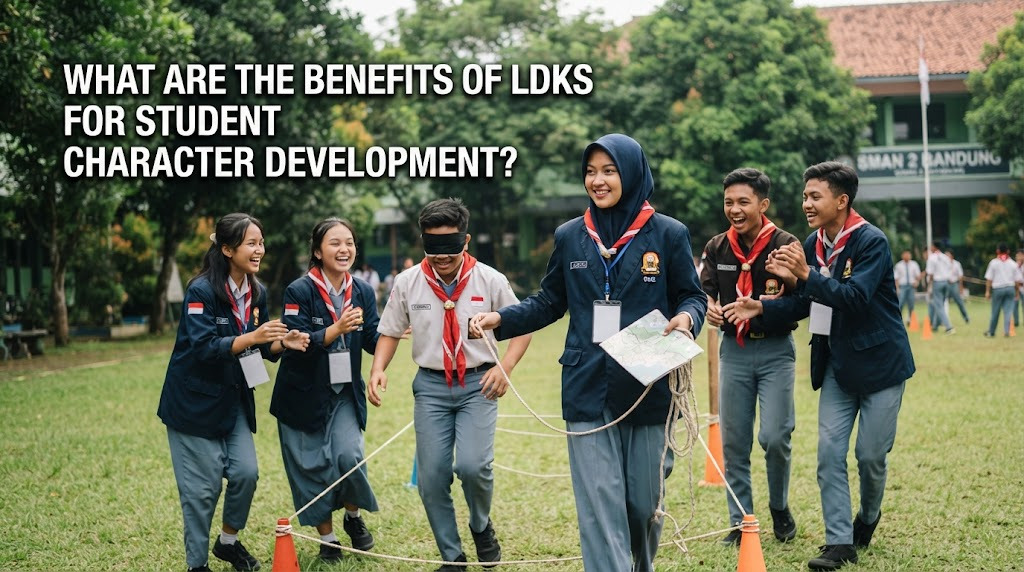
LDKS, or Latihan Dasar Kepemimpinan Siswa, is a student leadership training program designed to develop leadership abilities, organizational skills, and positive character. The program commonly combines leadership lessons, teamwork, discussions, simulations, and practical challenges. These activities give students opportunities to practice values rather than simply learning about them from textbooks. Students can experience situations that require them to communicate, cooperate, follow rules, and complete responsibilities. Because of this practical approach, LDKS can become part of a broader process of student character development.
Character development involves building habits and attitudes that influence how students behave and interact with others. Important qualities include discipline, responsibility, honesty, confidence, respect, and cooperation. LDKS can provide situations where students need to demonstrate these qualities while completing different tasks. The results can vary between students because character development also depends on personal effort and continued practice. Nevertheless, the training can provide useful experiences for developing positive habits.
HOW DOES LDKS DEVELOP STUDENT DISCIPLINE?
Discipline is one of the important character values that students can practice during LDKS. Participants generally need to follow a schedule, attend activities on time, obey instructions, and complete assigned tasks. These requirements encourage students to understand the importance of punctuality and consistency. They can also see how individual behavior may affect the progress of a group. Regular practice can help students become more aware of their responsibilities.
Discipline in LDKS is not limited to following instructions from trainers. Students can also learn self-discipline, which means managing their behavior even when direct supervision is limited. They may need to prepare materials, manage their time, and complete tasks independently. These experiences can encourage students to become more organized and dependable. Such habits can later be applied to academic activities and daily routines.
HOW DOES LDKS BUILD RESPONSIBILITY AND ACCOUNTABILITY?
LDKS can help students develop responsibility by giving them individual and group assignments. Every participant may have a specific role that contributes to the success of an activity. When students complete their roles properly, the team can work more effectively. When they face difficulties, they can learn how to communicate and find solutions instead of avoiding the responsibility. This process can strengthen their understanding of accountability.
Students can also receive feedback after completing an activity. Feedback helps them recognize what they did well and what needs improvement. Accepting responsibility for mistakes is an important part of personal development because it encourages students to focus on solutions rather than excuses. Over time, this approach can help students become more reliable when handling tasks.
HOW DOES LDKS IMPROVE CONFIDENCE AND INDEPENDENCE?
Confidence and independence are also qualities that can develop through LDKS activities. Students may be asked to present ideas, lead a discussion, coordinate a team, or make decisions during a challenge. These situations can encourage students to step outside their comfort zones. Completing a task successfully can give them greater confidence in their abilities. Students can also learn that making mistakes is part of the learning process.
LDKS can encourage students to solve problems without depending completely on other people. They may need to determine what action to take when facing a difficult situation. Independent thinking can help students become more prepared to handle responsibilities in school and other environments. However, independence does not mean refusing help; students can learn when to ask for assistance and when to act on their own.
HOW DOES LDKS DEVELOP TEAMWORK AND RESPECT?
Teamwork and respect are important elements of positive student character. Many LDKS activities require students to cooperate with people who have different personalities, ideas, and abilities. They need to listen to teammates, divide responsibilities, and work toward a shared objective. These experiences can teach students that every member has a role within a team. Cooperation can become easier when students appreciate the contributions of others.
LDKS can also introduce students to situations involving different opinions. Disagreement does not always mean that someone is wrong or that a team cannot work together. Students can learn to express their ideas politely and listen before responding. Respect, empathy, and tolerance can help students handle differences more constructively. These values can be useful in classrooms, organizations, families, and wider communities.
HOW DOES LDKS DEVELOP LEADERSHIP AND DECISION MAKING?
LDKS provides students with opportunities to practice leadership and decision making through practical activities. Students may need to choose a strategy, divide tasks, manage a group, or respond to an unexpected problem. These situations encourage them to consider different options before taking action. They can learn that leadership involves responsibility rather than simply having authority. Students may also discover that good decisions require communication and consideration of other people.
Leadership activities can also encourage students to become more willing to take initiative. Instead of waiting for someone else to solve every problem, they can learn to identify what needs to be done and contribute to the solution. Initiative, critical thinking, and accountability are useful qualities for both academic and personal development. With continued practice, these qualities can become part of students' everyday behavior.
CONCLUSION
LDKS can support student character development by providing practical opportunities to practice positive values and behaviors. Through leadership activities, teamwork, discussions, and challenges, students can develop discipline, responsibility, confidence, independence, respect, cooperation, and decision-making skills. The program allows students to experience situations where these values need to be applied rather than only discussed. However, lasting character development requires continued practice and support beyond the training itself. Overall, LDKS can be a useful learning experience for helping students build positive character and prepare for future responsibilities.
About the Author
Gusti Ayu Tita P
Author — STEKOM University
An active author focused on academic issues, educational technology, and human resource development in the campus environment.