What Are The Benefits Of Public Facilities In Urban Areas?
Gusti Ayu Tita P
18 September 2026
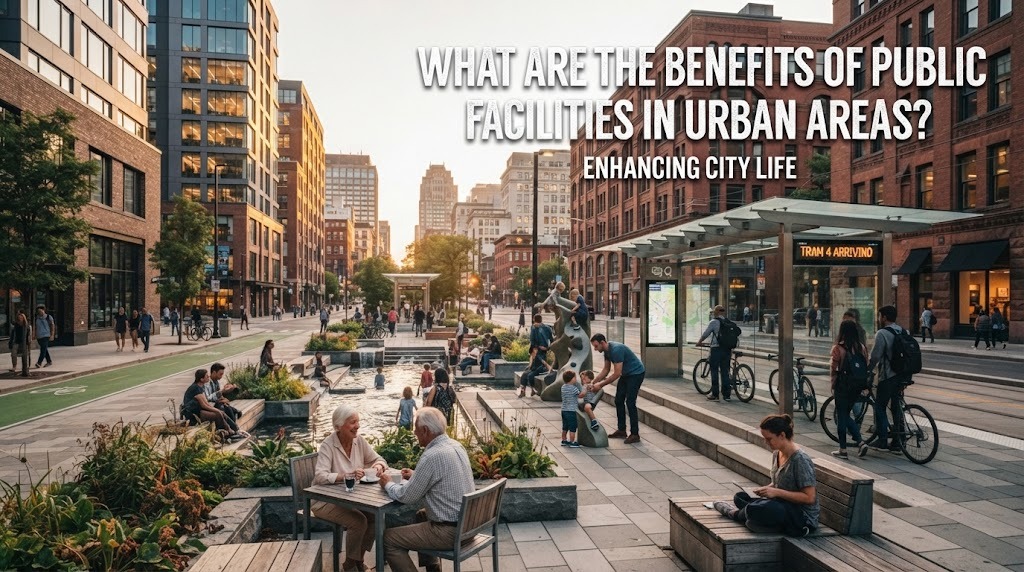
Public facilities are an important part of life in urban areas. As cities become more populated, people need accessible transportation, healthcare, education, sanitation, and public spaces to support their daily activities. These facilities are shared by many people and can help communities function more effectively. Well-planned facilities can also make cities safer, cleaner, and more comfortable. Therefore, public facilities have an important role in supporting the quality of life of urban residents.
MAKING URBAN MOBILITY EASIER
One of the main benefits of public facilities is improving movement around the city. Roads, sidewalks, bridges, bus stops, and public transportation help residents travel to workplaces, schools, markets, and other destinations. Reliable transportation can reduce difficulties for people who do not own private vehicles. Safe walking facilities can also make short-distance travel easier and more comfortable. As a result, good transportation infrastructure can support efficient mobility in busy urban areas.
SUPPORTING ACCESS TO EDUCATION
Urban communities need educational facilities that are easy to reach. Schools, libraries, training centers, and learning spaces provide opportunities for children and adults to gain knowledge and develop skills. A suitable learning environment can help students focus and participate in educational activities. Libraries and other public learning spaces can also provide additional resources for people who want to study independently. Accessible education facilities can support the development of human resources in urban communities.
IMPROVING HEALTHCARE ACCESS
Healthcare facilities are essential in cities because large populations need reliable access to medical services. Hospitals, health centers, clinics, pharmacies, and emergency services can help residents receive care when they need it. Facilities that are located within reasonable reach can reduce barriers to seeking medical assistance. Clean and well-managed healthcare environments can also provide greater comfort and safety for patients and staff. Therefore, adequate healthcare facilities contribute to healthier urban communities.
SUPPORTING ECONOMIC ACTIVITIES
Public facilities can help businesses and workers carry out economic activities more efficiently. Markets, roads, public transportation, commercial areas, and communication infrastructure connect businesses with customers, employees, and suppliers. Easy access to commercial locations can encourage people to visit local businesses and purchase goods or services. Transportation infrastructure also helps products move between different areas of the city. In this way, public facilities can support local economic activity and create opportunities for communities.
CREATING COMFORTABLE PUBLIC SPACES
Cities need shared spaces where residents can relax, exercise, and interact with others. Parks, green spaces, sports fields, and public squares can provide places for recreation and social activities. These spaces can be especially valuable in densely populated areas where private outdoor space may be limited. Clean and well-maintained public spaces can also make neighborhoods feel more pleasant. Comfortable public spaces can support physical activity, relaxation, and social interaction.
IMPROVING SAFETY AND SECURITY
Proper public facilities can help make urban environments safer. Street lighting, traffic signs, pedestrian crossings, sidewalks, and emergency facilities can reduce certain risks for people using public areas. Good lighting can improve visibility during nighttime activities, while clear signs can help people understand traffic and safety rules. Regular maintenance is also necessary because damaged facilities may create additional hazards. Therefore, safe and well-maintained infrastructure can support a more secure urban environment.
SUPPORTING CLEANER CITIES
Urban areas produce large amounts of waste and require effective sanitation systems. Trash bins, waste collection services, drainage systems, public toilets, and wastewater facilities can help maintain environmental cleanliness. Proper waste management can reduce litter in streets and public spaces. Good drainage can also help manage rainwater and reduce problems caused by standing water. With suitable infrastructure and responsible community behavior, public facilities can contribute to cleaner and healthier cities.
PROVIDING ACCESS FOR DIFFERENT GROUPS
Public facilities should be designed to accommodate people with different ages, abilities, and needs. Ramps, accessible sidewalks, handrails, suitable toilets, and clear signs can make public spaces easier to use. Older adults, children, and people with disabilities may experience barriers when facilities are not accessible. Inclusive design can help more people use transportation, public services, and shared spaces independently. Accessible facilities support wider participation in urban community life.
CONCLUSION
Public facilities provide many benefits for people living in urban areas. Transportation, education, healthcare, economic infrastructure, public spaces, safety, sanitation, and accessibility all contribute to a functional and comfortable city. These facilities become more useful when they are properly planned, maintained, and adapted to the needs of the community. Residents also have a role in keeping shared facilities clean and reporting damage when necessary. Good public facilities can support a safer, healthier, more accessible, and more productive urban environment.
About the Author
Gusti Ayu Tita P
Author — STEKOM University
An active author focused on academic issues, educational technology, and human resource development in the campus environment.