
What Are The Benefits Of Study Tours For Student Teamwork?
Gusti Ayu Tita P
17 September 2026
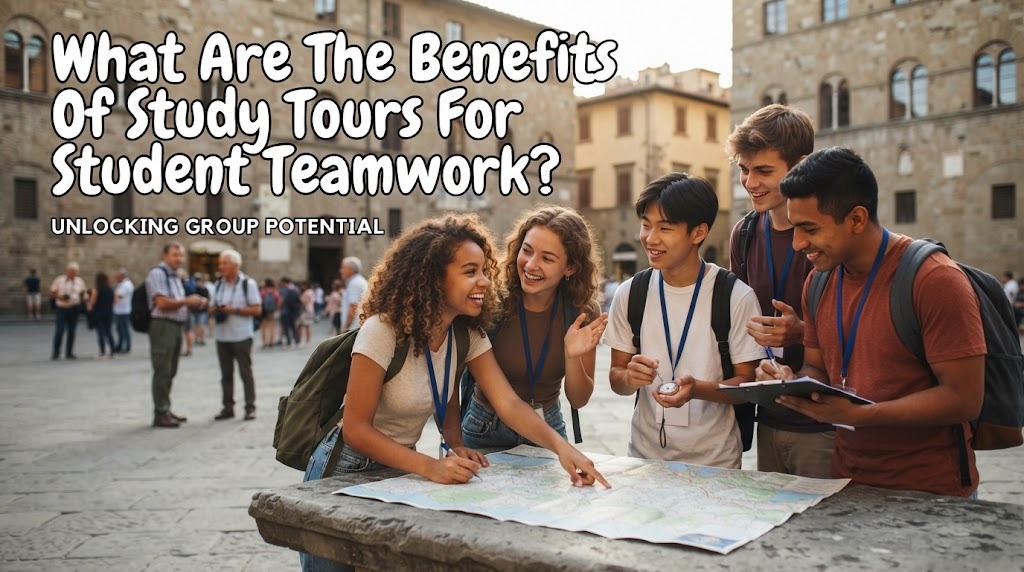
Study tours give students an opportunity to learn outside the classroom while spending time with their classmates. Besides gaining new knowledge, students can develop important social skills through activities that require them to work together. Teamwork becomes especially important when students travel as a group because they need to communicate, share responsibilities, and support one another. These experiences can help students understand how cooperation works in real situations.
A well-planned study tour can create many opportunities for students to practice working as a team. They may complete group assignments, participate in discussions, solve problems, or organize activities together. Such experiences can strengthen student teamwork while making the trip more meaningful. Students can also learn that successful group activities require responsibility from every member.
IMPROVING COMMUNICATION SKILLS
Communication is an important part of effective teamwork. During a study tour, students need to discuss schedules, meeting points, assignments, and activities with their classmates. They learn how to express ideas clearly and listen to what other people are saying. Regular communication can reduce misunderstandings and help groups complete their activities more smoothly.
Students may also need to communicate with teachers, tour guides, employees, or other people at the destination. This gives them opportunities to practice speaking politely and asking relevant questions. When students communicate regularly during group activities, they can become more comfortable sharing their thoughts. These experiences can strengthen both communication skills and confidence.
BUILDING A SENSE OF RESPONSIBILITY
Study tours often involve different responsibilities for each student. One student may be responsible for taking notes, while another may collect information or prepare a presentation. Giving students specific roles teaches them that every member has a contribution to make. Individual responsibility is important because one person's actions can affect the progress of the entire group.
Students also learn to complete their assigned tasks on time. If everyone performs their responsibilities properly, group activities can be completed more efficiently. This experience teaches students that teamwork is not simply about working together but also about being reliable team members. These habits can be useful in school projects and future professional environments.
ENCOURAGING PROBLEM SOLVING
Unexpected situations can happen during a study tour. A group may have difficulty finding a location, completing an assignment, managing time, or understanding information from a guide. Students can discuss the situation and find a solution together instead of depending on only one person. This encourages collaborative problem solving.
Working through challenges as a group can also teach students to consider different ideas. One student may notice a solution that another student has not considered. By discussing several possibilities, the group can make a more informed decision. These experiences help students develop critical thinking while learning how cooperation can solve practical problems.
DEVELOPING TRUST BETWEEN STUDENTS
Spending time together outside school can help students understand their classmates better. During a study tour, they may discover different personalities, interests, strengths, and weaknesses. Working on shared activities gives students opportunities to support each other. Over time, these interactions can help build trust among classmates.
Trust is important because students need to feel comfortable depending on their team members. For example, students may rely on a partner to remember important information, complete a task, or stay together during an activity. When students keep their promises and support their classmates, relationships can become stronger. This creates a more positive environment for group cooperation.
LEARNING TO RESPECT DIFFERENT OPINIONS
Teamwork does not mean that every student will always have the same opinion. During a study tour, students may have different ideas about how to complete an assignment or organize an activity. They need to learn how to listen to others and discuss differences respectfully. This teaches students the importance of respecting different opinions.
Students can practice finding solutions that consider the ideas of several team members. They also learn that disagreement does not always mean that someone is wrong or that a group cannot work together. Good teamwork requires students to remain respectful while discussing different perspectives. This skill can help them cooperate with people who have different backgrounds and ideas.
STRENGTHENING LEADERSHIP SKILLS
Study tours can provide students with opportunities to practice leadership in a natural setting. A group leader may help organize members, remind everyone about schedules, or communicate with teachers. Other students can also take leadership roles when completing specific tasks. These situations allow students to develop leadership skills through real experiences.
Good leadership is not only about giving instructions. Students also need to listen to their team members, consider their needs, and help solve problems. By taking turns leading different activities, students can understand both the responsibilities of a leader and the importance of being a supportive team member. This can prepare them for future group projects at school and in the workplace.
INCREASING SOCIAL CONNECTIONS
A study tour allows students to interact with classmates in a different environment from their normal school routine. They may spend more time talking, sharing experiences, and completing activities together. These interactions can help students become more familiar with classmates they may not usually interact with. As a result, study tours can encourage stronger social connections.
Group activities can also create memorable experiences that students share after returning to school. Positive experiences can make students feel more connected to their classmates and school community. When students feel comfortable with their teammates, they may find it easier to cooperate during future activities. This can support a healthier team environment in the classroom.
CONCLUSION
Study tours can provide more than educational experiences because they also create opportunities for students to practice teamwork in real situations. Through group activities, students can improve communication, responsibility, problem solving, trust, leadership, and respect for different opinions. These skills can help them cooperate more effectively with classmates. The experience can also make learning more interactive and memorable.
The benefits of study tours for student teamwork depend on how the activities are planned and managed. Teachers can provide meaningful group tasks that encourage every student to participate and contribute. When students are given opportunities to cooperate and solve challenges together, they can develop valuable skills for school and everyday life. Therefore, a study tour can become a useful way to combine learning and teamwork development.
About the Author
Gusti Ayu Tita P
Author — STEKOM University
An active author focused on academic issues, educational technology, and human resource development in the campus environment.















