
What Are the Best Cheap Vacation Tips for Students?
Gusti Ayu Tita P
17 September 2026
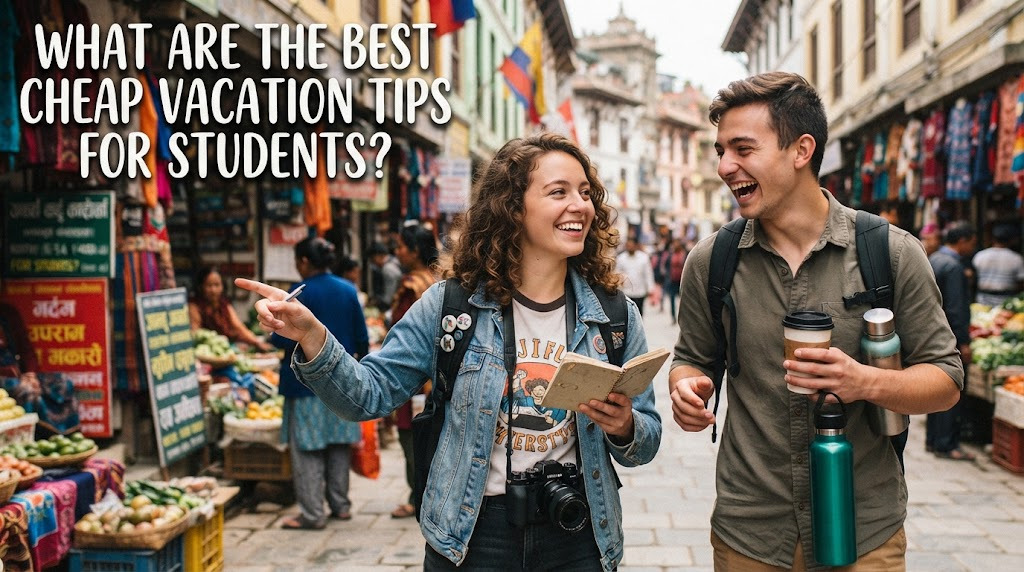
Vacation can be an exciting opportunity for students to relax, explore new places, and create memorable experiences. However, students often have limited budgets, so traveling requires careful planning. A cheap vacation does not mean giving up comfort or enjoyment. By making smart decisions about transportation, accommodation, food, and activities, students can enjoy a fun trip without spending too much money.
Student travel can also teach useful skills such as budgeting, planning, and making responsible decisions. Students can choose affordable destinations, compare prices, and take advantage of discounts when available. Simple choices can make a significant difference in the total cost of a trip. With the right strategy, a limited budget can still support an enjoyable vacation.
CREATE A CLEAR TRAVEL BUDGET
The first step for students is to determine how much money they can realistically spend. The budget should include transportation, accommodation, food, activities, and emergency expenses. Students should avoid using money intended for important needs such as education or daily necessities. A clear travel budget makes it easier to control spending before and during the vacation.
Students can divide their money into daily spending limits. For example, they can decide how much to spend on food, transportation, and entertainment each day. Keeping a small emergency fund is also important in case unexpected expenses occur. This approach helps students enjoy their budget vacation without worrying about running out of money too quickly.
CHOOSE A NEARBY AND AFFORDABLE DESTINATION
Choosing a destination close to home can significantly reduce travel costs. Students can explore nearby cities, natural attractions, cultural sites, or local tourist destinations instead of traveling long distances. Short-distance trips often require less money for transportation and can also take less time. Affordable destinations can provide interesting experiences without requiring a large travel budget.
Students should also compare the general cost of living between destinations. A location with cheap transportation but expensive accommodation and food may not actually be economical. Checking prices before choosing a destination allows students to estimate their total expenses more accurately. This simple research can make student travel more practical and financially manageable.
USE AFFORDABLE TRANSPORTATION
Transportation can become one of the biggest expenses during a vacation. Students can compare buses, trains, public transportation, shared rides, or other economical options depending on the destination. Walking can also be a useful choice when attractions are located close to each other. Affordable transportation allows students to save money that can be used for other parts of the trip.
Students should compare the total cost rather than focusing only on the ticket price. A cheaper ticket may involve additional transportation costs or longer travel times. Planning transportation routes before leaving can help prevent unnecessary trips and expenses. When possible, traveling with friends and sharing certain transportation costs can also make the journey more economical.
LOOK FOR BUDGET ACCOMMODATION
Students do not always need luxury hotels to have a comfortable vacation. Budget accommodation such as hostels, guesthouses, homestays, or simple hotels can be suitable for travelers who mainly need a safe and clean place to rest. Before booking, students should check reviews, location, facilities, and additional charges.
Location is especially important when choosing affordable accommodation. A very cheap room that is far from the main attractions may create higher transportation costs. Students should compare the total cost of accommodation and transportation before making a decision. Choosing a practical location can help reduce travel expenses while making the trip more convenient.
SAVE MONEY ON FOOD AND ACTIVITIES
Food is another area where students can control their vacation expenses. Instead of eating at expensive restaurants for every meal, students can try local food from traditional markets, small restaurants, or food stalls. These options can provide affordable meals while allowing travelers to experience the local culture. Setting a daily food budget can prevent unnecessary spending.
Students can also prioritize free or low-cost attractions. Public parks, beaches, walking areas, cultural events, and some museums may offer enjoyable experiences without high entrance fees. Taking photographs, exploring local neighborhoods, and enjoying natural scenery can also create memorable moments. Free activities can make a student vacation more enjoyable while keeping the budget under control.
TRAVEL WITH FRIENDS AND USE STUDENT DISCOUNTS
Traveling with friends can help students divide certain expenses. Accommodation, transportation, and some shared costs may become more affordable when several people travel together. However, everyone should agree on the budget and spending plans before the trip. Group travel can also make the vacation more enjoyable because students can share experiences and responsibilities.
Students should also check whether their student status provides access to discounts. Some transportation services, attractions, museums, or other businesses may offer student discounts, although availability and requirements vary by location. Students should verify the terms before relying on a discount. Taking advantage of legitimate discounts can help stretch a limited vacation budget.
CONCLUSION
The best cheap vacation tips for students focus on planning, budgeting, and making smart choices. Students can save money by choosing affordable destinations, using economical transportation, staying in budget accommodation, eating local food, and enjoying free activities. Traveling with friends and checking available student discounts can provide additional ways to control expenses. With careful preparation, a limited student budget can still create a fun, comfortable, and memorable vacation.
About the Author
Gusti Ayu Tita P
Author — STEKOM University
An active author focused on academic issues, educational technology, and human resource development in the campus environment.















