What Are The Best Strategies To Succeed In Scholarship Interviews With Confidence?
Gusti Ayu Tita P
28 Agustus 2026
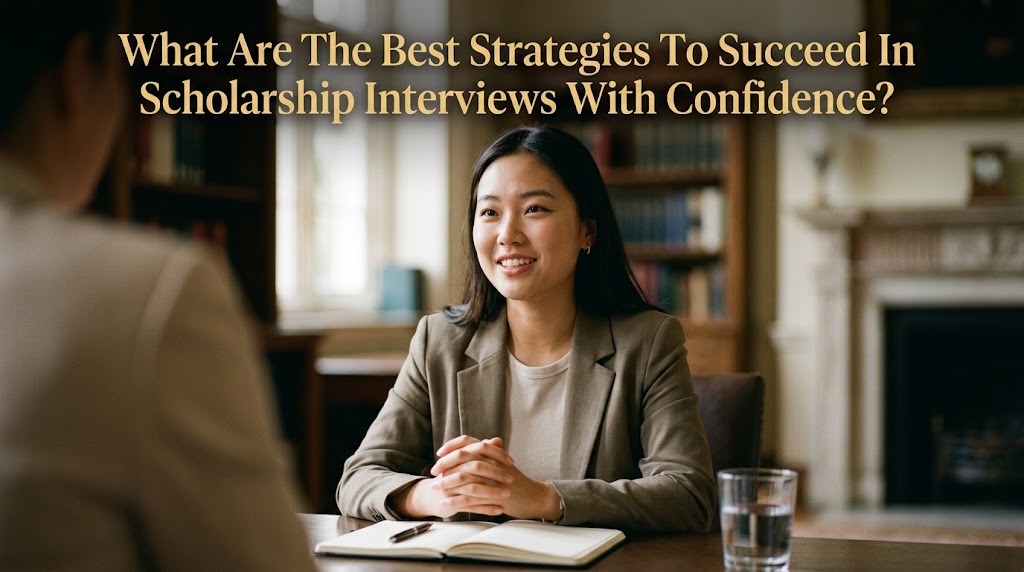
A scholarship interview is an important stage in the selection process. It gives scholarship providers an opportunity to understand an applicant beyond academic grades and written documents. During the interview, applicants may be asked about their goals, achievements, motivation, leadership, challenges, and future plans. Strong preparation can help students communicate their strengths clearly without sounding rehearsed. With the right strategies, applicants can enter a scholarship interview with greater confidence and professionalism.
UNDERSTAND THE SCHOLARSHIP PROGRAM
Before attending an interview, applicants should understand the scholarship program thoroughly. They should research its mission, values, eligibility requirements, study areas, benefits, and selection criteria when this information is publicly available. Understanding these details helps applicants connect their goals with the purpose of the scholarship. It also demonstrates genuine interest rather than simply applying for financial support. Applicants should use official scholarship sources as their primary reference.
Students should also understand what the scholarship may expect from recipients after selection. Some programs may emphasize academic excellence, leadership, community involvement, research, innovation, or social impact. Knowing these priorities can help applicants prepare relevant examples from their own experiences.
KNOW YOUR APPLICATION MATERIALS
Interview questions often relate directly to information provided in the application. Applicants should review their CV, personal statement, essays, academic records, achievements, and recommendation information before the interview. They need to remember the main points rather than memorizing every sentence. Any information discussed during the interview should remain consistent with the submitted application. Inconsistencies can make an applicant appear unprepared.
Students should identify the strongest experiences included in their application. They should be ready to explain what they did, what challenges they faced, what results they achieved, and what they learned. This preparation can help turn written information into meaningful interview answers.
PREPARE FOR COMMON INTERVIEW QUESTIONS
Preparing for common questions can reduce anxiety during the interview. Applicants should practice questions such as Why do you deserve this scholarship, What are your career goals, What are your strengths and weaknesses, and How will you contribute to your community. They should not memorize fixed answers because overly rehearsed responses can sound unnatural. Instead, they should understand the main ideas they want to communicate. This allows them to respond naturally when questions are phrased differently.
Applicants should also prepare for questions about failures and difficult experiences. Scholarship committees may want to understand how candidates respond to challenges. A thoughtful answer should demonstrate self-awareness, responsibility, resilience, and learning rather than blaming other people.
USE THE STAR METHOD
The STAR method can help applicants organize answers to behavioral questions. STAR stands for Situation, Task, Action, and Result. Applicants can briefly describe the situation, explain their responsibility, discuss the actions they took, and conclude with the result. This structure helps prevent answers from becoming too vague or disorganized. It also allows candidates to provide evidence of their skills.
For example, when discussing a leadership experience, students should explain the challenge their team faced and what they personally did to address it. They should then describe the outcome and what the experience taught them. This makes an answer more specific and credible.
CONNECT YOUR GOALS WITH THE SCHOLARSHIP
A strong scholarship interview answer should explain why the program is relevant to the applicant's future. Students should clearly communicate their academic interests, career goals, and long-term plans. They should explain how the scholarship can help them develop knowledge, skills, or experiences that support those goals. This demonstrates that they have thought carefully about their future. It also helps the interviewer understand the potential value of investing in the applicant.
Applicants should avoid presenting unrealistic plans without explaining how they intend to achieve them. A strong response can include short-term steps and longer-term objectives. Clear and realistic goals are generally more convincing than broad statements without supporting details.
SHOW YOUR ACHIEVEMENTS WITH EVIDENCE
Applicants should be prepared to discuss their achievements confidently. However, simply saying that they are hardworking or talented is less convincing than providing specific evidence. Students can mention academic results, projects, leadership activities, competitions, volunteer work, research, internships, or other meaningful experiences. They should explain what they contributed and what the experience taught them. This creates a clearer picture of their capabilities.
Applicants should also avoid exaggerating their achievements. Scholarship committees may ask follow-up questions to understand the details. Being honest and specific can make answers more credible and demonstrate maturity.
PRACTICE ACTIVE LISTENING
A successful interview requires more than speaking well. Applicants should practice active listening by paying close attention to each question before responding. They should avoid interrupting the interviewer or immediately giving an answer before fully understanding the question. If a question is unclear, it is acceptable to politely ask for clarification. Careful listening can help applicants provide more relevant responses.
Applicants should also pay attention to the interviewer's tone and follow-up questions. A follow-up question may indicate that the interviewer wants more detail about a particular experience. Listening carefully can therefore help candidates have a more natural and meaningful conversation.
IMPROVE BODY LANGUAGE
Body language can influence how confidently an applicant appears during an interview. Students should maintain appropriate eye contact, sit with good posture, and use natural facial expressions. They should avoid excessive movements that may distract from their answers. A calm posture can also help applicants feel more composed. Body language should support communication rather than become something the applicant constantly worries about.
For online interviews, students should check their camera position, lighting, microphone, and internet connection beforehand. They should place the camera at a comfortable eye level and choose a quiet environment. Good technical preparation can prevent avoidable distractions.
CONDUCT MOCK INTERVIEWS
Mock interviews are one of the most practical ways to prepare. Students can ask teachers, mentors, friends, or other trusted people to act as interviewers. They should practice answering both common and unexpected questions. After each session, they can request feedback about clarity, confidence, body language, and answer structure. Repeated practice can make the real interview feel more familiar.
Students can also record practice sessions if appropriate and review their performance afterward. They may notice habits such as speaking too quickly, using repetitive words, or giving answers that are too long. Correcting these issues before the actual interview can improve communication and presentation skills.
AVOID OVERMEMORIZING ANSWERS
Memorizing complete answers can create problems when interviewers ask unexpected follow-up questions. Applicants may forget the exact wording and become confused. Instead, students should remember key points, examples, and personal stories. This provides enough structure while allowing natural conversation. Flexible preparation is generally more useful than memorizing scripts.
Students should focus on understanding their own experiences. If they know why an experience was important and what they learned from it, they can explain it in different ways. This approach can make their answers sound more genuine.
FOLLOW UP PROFESSIONALLY
After the interview, applicants should follow the scholarship provider's instructions regarding communication. If an appropriate opportunity exists, a brief professional thank-you message can express appreciation for the interviewer's time. The message should remain concise and respectful. Applicants should not pressure the committee for immediate results. They should continue monitoring the official communication channels for updates.
The interview itself should also become a learning experience. Students can reflect on which questions were difficult and which answers could be improved. This reflection can help them prepare for future academic and professional interviews.
CONCLUSION
Succeeding in a scholarship interview requires more than memorizing answers. Applicants should understand the scholarship program, know their application materials, prepare relevant examples, and communicate their goals, achievements, motivation, and personal growth clearly. Practicing with the STAR method, conducting mock interviews, improving body language, and developing active listening can increase confidence. Most importantly, applicants should remain honest, authentic, and adaptable when answering questions. With thoughtful preparation and consistent practice, students can approach scholarship interviews with greater confidence and present themselves as strong candidates.
About the Author
Gusti Ayu Tita P
Author — STEKOM University
An active author focused on academic issues, educational technology, and human resource development in the campus environment.