
What Are the Best Ways to Control Expenses During a Trip?
Gusti Ayu Tita P
17 September 2026
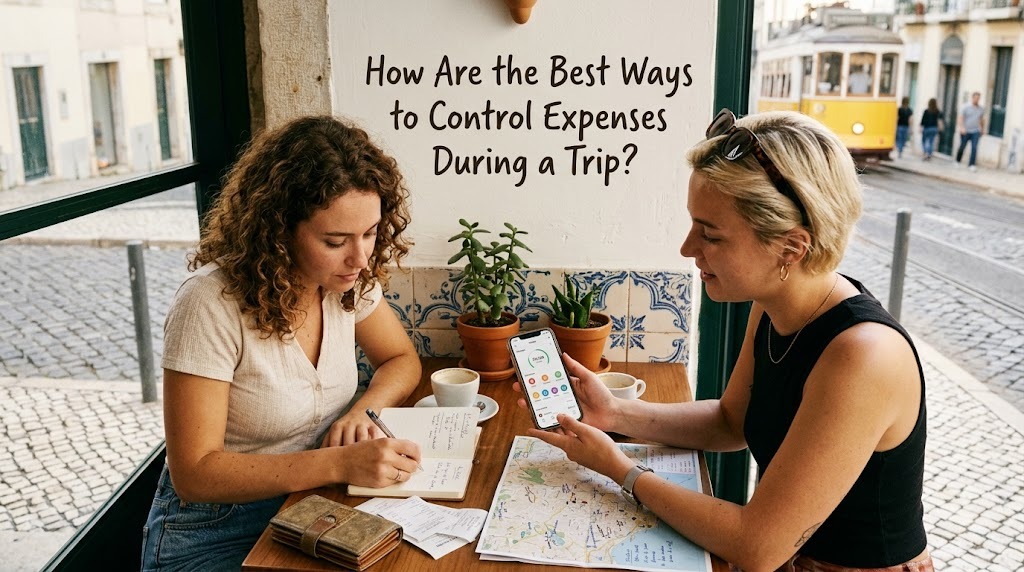
Traveling can be an exciting experience, but uncontrolled spending can quickly turn a fun vacation into a financial burden. Many travelers spend more than planned because they do not set clear limits for transportation, food, accommodation, and entertainment. Creating a realistic plan before leaving can help travelers enjoy their destination without worrying too much about money. A well-managed trip budget also makes it easier to decide which activities are worth paying for. By controlling expenses from the beginning, travelers can have a more comfortable and enjoyable journey.
PLAN YOUR TRIP BUDGET BEFORE DEPARTURE
The first step to controlling travel expenses is creating a realistic trip budget before departure. List the main costs, including transportation, accommodation, meals, entrance fees, shopping, and other activities. Research the estimated prices at your destination so your budget is based on realistic information rather than assumptions. It is also important to separate essential expenses from optional spending, because necessities should receive priority. Setting a maximum amount for the entire trip can help prevent unnecessary purchases.
Travelers should also prepare a small emergency fund for unexpected situations. Additional costs can appear because of transportation changes, medical needs, lost items, or sudden schedule changes. Keeping this money separate from the daily spending budget makes it easier to handle unexpected expenses. A simple spreadsheet or budgeting application can be used to record planned costs before the trip begins. This preparation gives travelers a clearer picture of how much money they can safely spend each day.
SET DAILY SPENDING LIMITS
A daily spending limit is an effective way to prevent a travel budget from disappearing too quickly. After calculating fixed costs such as accommodation and transportation, divide the remaining money according to the number of travel days. This amount can cover meals, local transportation, activities, and small purchases. Travelers should try to stay below the daily limit whenever possible so there is room for unexpected expenses. A daily limit also makes it easier to identify when spending habits need to change.
However, travelers do not have to spend exactly the same amount every day. Some days may involve expensive activities, while other days can be filled with free or low-cost experiences. For example, visiting a paid attraction one day can be balanced with exploring public parks, local neighborhoods, or free cultural areas on another day. Flexible budgeting allows travelers to enjoy important experiences without losing control of their total expenses. The main goal is to make sure the overall spending remains within the planned budget.
CONTROL FOOD TRANSPORTATION AND SHOPPING COSTS
Food, transportation, and shopping can become major sources of unexpected expenses during a trip. Travelers can reduce food costs by choosing reasonably priced local restaurants, checking menus before ordering, and avoiding unnecessary purchases in highly touristy areas. Buying simple snacks or drinks from supermarkets can also be cheaper than purchasing them repeatedly at attractions. For transportation, compare available options such as public transit, walking, shared transportation, and other affordable services. Choosing the most practical option based on distance and time can help reduce unnecessary travel costs.
Shopping should also be approached carefully because souvenirs and spontaneous purchases can quickly increase total spending. Set a specific shopping budget before visiting markets or stores and avoid using money intended for essential expenses. Travelers can compare prices at several locations before buying valuable or frequently available items. It is also useful to ask whether an item is genuinely needed or simply an impulse purchase. These small habits can make a significant difference to the final travel budget.
USE TECHNOLOGY AND TRACK EVERY EXPENSE
Technology can make expense tracking much easier during a trip. Travelers can use budgeting applications, mobile spreadsheets, or simple notes on their phones to record every purchase. Recording expenses immediately reduces the chance of forgetting small payments that can add up over several days. Some financial applications can also categorize spending into food, transportation, accommodation, entertainment, and shopping. This information helps travelers see which categories are using the largest portion of their money.
Travelers should also check their spending at the end of each day. If spending is higher than expected, adjustments can be made the following day rather than waiting until the end of the vacation. For example, someone who spends too much on dining can choose more affordable meals afterward. Regular budget monitoring creates greater awareness and encourages more responsible financial decisions. Keeping digital receipts or booking confirmations can also make it easier to review the total cost later.
CONCLUSION
Controlling expenses during a trip does not mean avoiding every enjoyable activity. It means making planned financial decisions so that essential needs and meaningful experiences can fit within the available budget. Travelers can start by creating a realistic budget, setting daily limits, and preparing an emergency fund. Managing food, transportation, and shopping costs can further reduce unnecessary spending. Using technology to track expenses provides an easy way to monitor financial habits throughout the journey.
The most important principle is to remain aware of how much money is being spent and how much is still available. A well-controlled travel budget gives travelers greater financial confidence and reduces the risk of returning home with unexpected expenses. With careful planning and flexible spending habits, travelers can enjoy their destination while keeping their finances under control.
Keywords
Meta Description
About the Author
Gusti Ayu Tita P
Author — STEKOM University
An active author focused on academic issues, educational technology, and human resource development in the campus environment.















