What Are the Biggest Challenges Facing the Strawberry Generation in the Workplace?
Gusti Ayu Tita P
26 September 2026
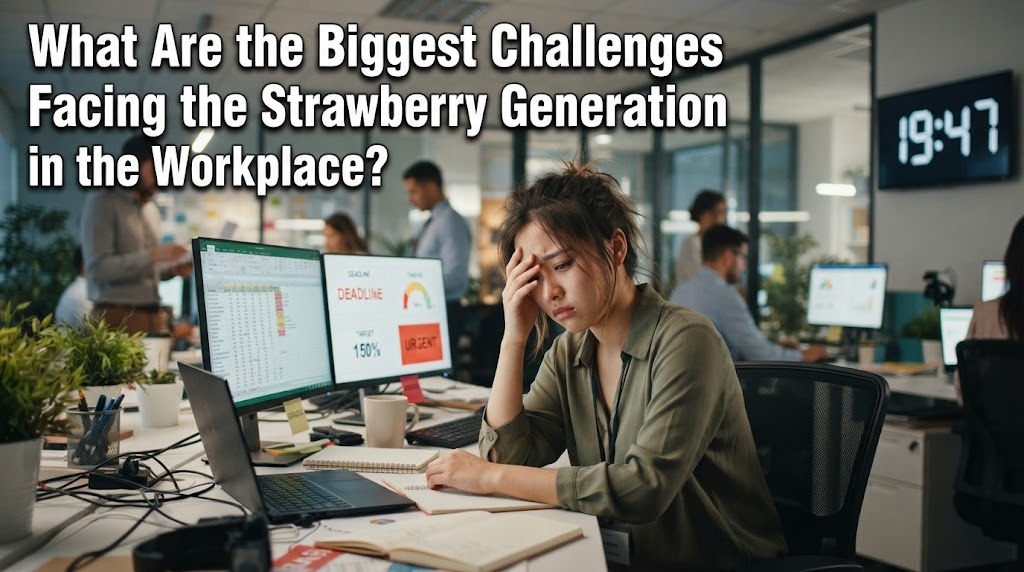
The Strawberry Generation is entering a workplace that continues to change because of technology, digital communication, artificial intelligence, economic conditions, and evolving expectations from employers. Young professionals may have strong digital skills, but they can also face challenges related to workplace pressure, communication, competition, and adapting to professional responsibilities. The transition from education to employment can therefore require significant personal and professional adjustment.
Workplace challenges are not necessarily unique to one generation. However, the experiences and expectations of younger workers can differ from those of previous generations. Understanding these challenges can help the Strawberry Generation prepare for professional life without allowing generational stereotypes to define their abilities.
ADAPTING TO PROFESSIONAL EXPECTATIONS
One of the first challenges for young employees is understanding how professional workplaces operate. Academic environments often provide structured schedules and clearly defined assignments, while workplaces can involve changing priorities, deadlines, teamwork, and unexpected responsibilities. Learning to manage professional expectations can require young employees to become more organized and responsible.
Young workers may also need to understand workplace etiquette, communication styles, attendance expectations, and organizational procedures. These requirements can initially feel unfamiliar, especially for recent graduates with limited professional experience. With time and practical experience, employees can gradually understand how to balance personal preferences with professional responsibilities.
HANDLING CRITICISM AND FEEDBACK
Feedback is an important part of professional development, but receiving criticism can sometimes be difficult for inexperienced employees. A correction from a manager or colleague may feel personal if the employee is not accustomed to workplace evaluation. Learning to view constructive criticism as information for improvement can help young professionals develop more effectively.
Not every form of criticism is automatically useful, so employees should also learn to distinguish constructive feedback from inappropriate communication. When feedback is specific and relevant, young workers can use it to identify areas that need improvement. Developing this skill can increase professional maturity and make workplace communication more productive.
MANAGING WORKPLACE PRESSURE
Deadlines, workloads, performance expectations, and workplace competition can create pressure for young professionals. The transition from university or school to a full-time job may require significant adjustment because professional responsibilities can have direct consequences for teams and organizations. Learning how to manage pressure without becoming overwhelmed is an important workplace skill.
Young employees can manage pressure by organizing priorities, communicating when workloads become difficult, and developing realistic work habits. Taking short breaks, maintaining healthy routines, and separating work responsibilities from personal time can also support sustainable productivity. Managing pressure does not mean avoiding difficult tasks but learning how to approach them systematically.
ADAPTING TO TECHNOLOGY AND AI
Technology is changing how many organizations communicate, manage information, analyze data, and complete everyday tasks. Young professionals may be comfortable with digital platforms but still need to learn industry-specific systems and emerging technologies. Digital familiarity does not automatically mean professional technological competence.
The increasing use of artificial intelligence also requires employees to understand how new tools can support their work while maintaining accuracy, responsibility, and appropriate human judgment. Young professionals may need to continuously update their digital skills as workplace technologies evolve. A willingness to learn can therefore be as important as existing technical knowledge.
BUILDING PROFESSIONAL COMMUNICATION SKILLS
Workplace communication is different from casual communication on social media or with friends. Employees may need to write professional emails, participate in meetings, explain ideas clearly, communicate with clients, and discuss problems with supervisors. Strong professional communication can help young employees build trust and avoid unnecessary misunderstandings.
Communication also involves listening and understanding different perspectives. The Strawberry Generation may work with colleagues from different age groups, backgrounds, and professional experiences. Learning to communicate respectfully across these differences can strengthen teamwork and create a more positive workplace environment.
COMPETING WITHOUT CONSTANT COMPARISON
Workplaces can involve competition for promotions, recognition, responsibilities, and career opportunities. Social media can also encourage young professionals to compare their careers with the achievements of their peers. Constant comparison can create unnecessary pressure because professional development does not happen at the same pace for everyone.
Young workers can instead focus on measurable personal development. Improving skills, completing responsibilities effectively, learning from experienced colleagues, and building professional relationships can provide more meaningful indicators of progress. Competition can exist without becoming the sole measure of professional success.
DEVELOPING RESILIENCE AND INDEPENDENCE
The workplace inevitably includes mistakes, rejected ideas, difficult projects, missed opportunities, and unexpected changes. Young professionals need to learn how to respond when things do not go according to plan. Resilience allows employees to recover from setbacks while continuing to learn and improve.
Independence is equally important because employees cannot always depend on supervisors or colleagues to solve every problem. Young workers can strengthen independence by attempting solutions, researching information, asking appropriate questions, and taking responsibility for their decisions. These habits can gradually increase confidence and professional maturity.
CONCLUSION
The biggest workplace challenges facing the Strawberry Generation can include adapting to professional expectations, handling criticism, managing pressure, keeping up with technology and AI, developing professional communication, dealing with competition, and building resilience and independence. These challenges can be difficult, especially for young people who are still gaining professional experience.
However, workplace development is a gradual process. Continuous learning, responsible communication, adaptability, emotional management, and willingness to learn from mistakes can help young professionals become better prepared for changing workplace demands. Rather than focusing only on generational labels, organizations and young employees can work together to create an environment where skills, responsibility, and professional growth can develop.
About the Author
Gusti Ayu Tita P
Author — STEKOM University
An active author focused on academic issues, educational technology, and human resource development in the campus environment.