
What Are The Common Mistakes Creators Make When Creating YouTube Shorts?
Gusti Ayu Tita P
28 Agustus 2026
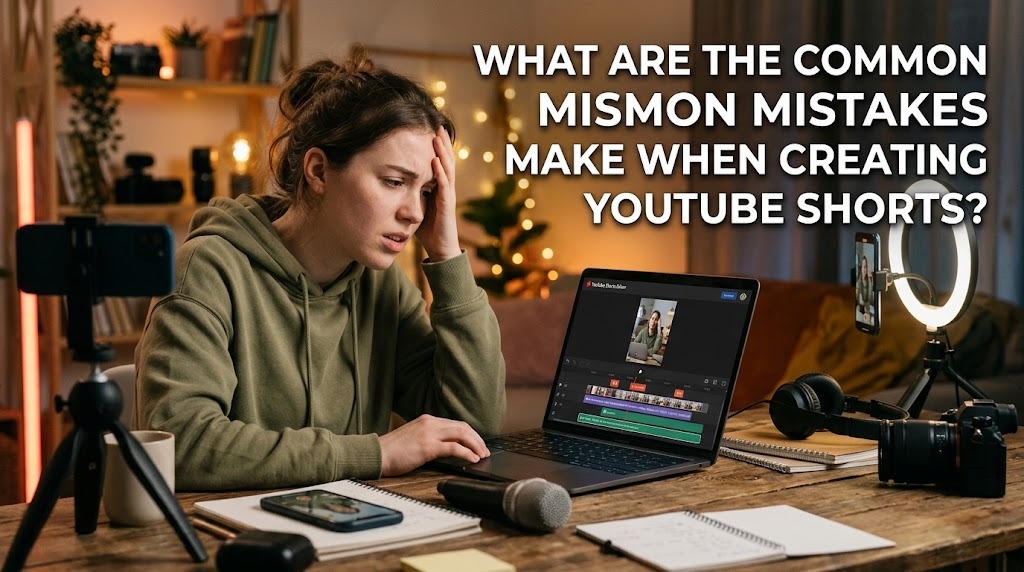
One of the most common YouTube Shorts mistakes is beginning a video without giving viewers a clear reason to keep watching. Long introductions, unnecessary greetings, or unrelated information can make the opening feel slow. Because viewers can quickly move to another video, creators should introduce the main topic as early as possible. A strong opening can create curiosity and establish what viewers will gain from watching.
The hook should be connected to the actual content rather than relying on exaggerated claims. A relevant hook can take the form of a question, surprising fact, useful promise, or relatable problem. Once the viewer understands the purpose of the video, move directly into the main information. This creates a more efficient viewing experience.
TRYING TO COVER TOO MANY TOPICS
Another common mistake is putting too much information into a single Short. Creators may try to explain several ideas because they want to provide as much value as possible. However, excessive information can make the video difficult to understand and remember. One main idea per video is often easier to communicate effectively.
If a topic contains several important points, consider turning it into a series. For example, instead of explaining ten productivity techniques in one Short, create separate videos for different techniques. This approach can also provide more content opportunities for future uploads. A focused message usually makes the video clearer and more organized.
IGNORING AUDIO AND VISUAL QUALITY
Some creators focus heavily on ideas while overlooking basic production quality. Poor audio, insufficient lighting, shaky footage, or unreadable captions can reduce the overall viewing experience. You do not need expensive equipment to produce good Shorts, but the essential elements should be clear. Good audio and understandable visuals are particularly important for short-form content.
Keep the background and visual elements appropriate to the subject. Captions should be large enough to read and should not cover important parts of the video. Avoid excessive transitions, animations, or effects that distract from the main message. Simple production can still look professional when it is carefully organized.
USING MISLEADING TITLES OR CLICKBAIT
Trying to attract attention with exaggerated titles can become a serious mistake. A title that promises something the video does not deliver may create disappointment and reduce audience trust. Clickbait can attract initial attention, but it does not guarantee meaningful engagement or long-term growth. Honesty should remain part of your video strategy.
Instead, create titles that accurately communicate the topic or benefit of the Short. Use relevant keywords naturally without making the title sound forced. When the title and content match, viewers know what to expect before watching. This creates a more reliable relationship between creators and their audience.
POSTING WITHOUT UNDERSTANDING THE AUDIENCE
Creating videos without considering the target audience can make it difficult to build consistent interest. A creator may produce topics they personally enjoy but that have little relevance to the people they want to reach. Understanding audience questions, interests, and problems can provide better direction for content creation. Audience understanding should therefore be part of the planning process.
Creators can learn from comments, previous video performance, and discussions within their niche. This does not mean following every trend or changing your identity whenever a video performs poorly. Instead, use audience information to make smarter content decisions. A clear understanding of viewers can support stronger creator growth over time.
FAILING TO ANALYZE AND IMPROVE
Some creators publish videos continuously without reviewing what they can learn from the results. Performance information can provide useful insights into which topics, formats, and approaches connect with viewers. Metrics such as views, audience retention, likes, comments, and shares can help identify patterns. However, creators should evaluate several videos rather than making conclusions from only one result.
Use these insights to experiment with future content. If a particular topic performs well, explore related subjects from different perspectives. If viewers leave early, consider improving the opening or simplifying the structure. Continuous evaluation and improvement can make your content strategy more effective.
CONCLUSION
Avoiding common mistakes can help creators produce better YouTube Shorts and provide a stronger viewing experience. Focus on strong hooks, one clear topic, good audio and visuals, honest titles, and content that matches audience interests. Do not forget to review performance and use feedback to improve future videos. Quality, relevance, and consistency are more valuable than simply producing a large number of Shorts. By learning from mistakes and continuously improving, creators can build stronger content and support long-term creator growth.
About the Author
Gusti Ayu Tita P
Author — STEKOM University
An active author focused on academic issues, educational technology, and human resource development in the campus environment.















