What Are The Common Signs Of Social Anxiety?
Gusti Ayu Tita P
11 September 2026
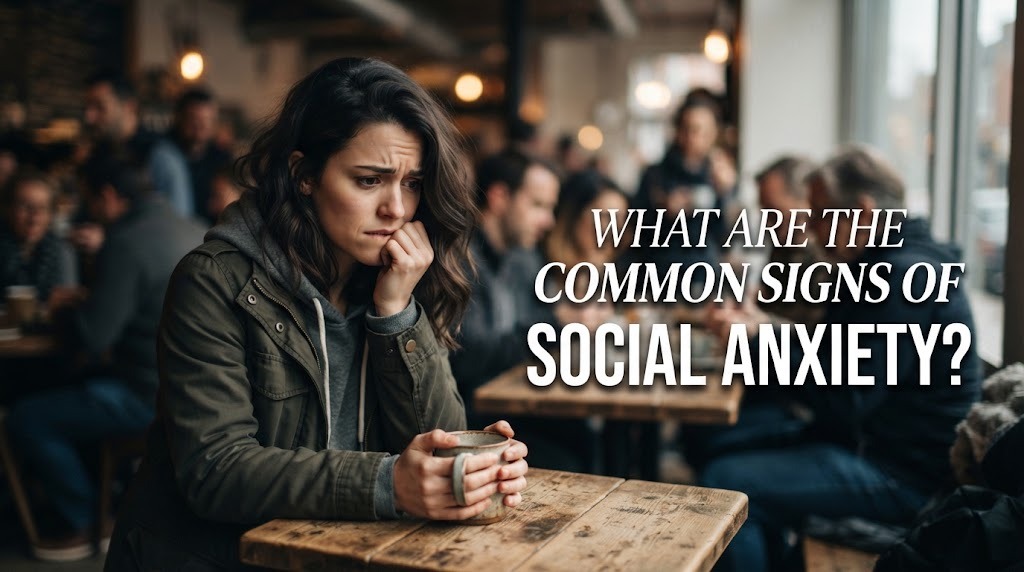
Social anxiety is a condition that can cause intense fear, worry, or discomfort during social situations. It is more than ordinary shyness because the anxiety may interfere with everyday activities, relationships, school, or work. People with social anxiety may experience both emotional and physical symptoms. Recognizing the common signs can help someone understand what they are experiencing and know when support may be useful.
EXCESSIVE FEAR OF BEING JUDGED
One of the most common signs of social anxiety is an intense fear of being judged by other people. Someone may worry that others will think they are embarrassing, awkward, unintelligent, or inadequate. Even simple activities such as answering a question or talking to a stranger can create significant anxiety.
This fear may continue before, during, and after a social situation. A person might spend a lot of time thinking about what they said or how they behaved. Constant concern about other people's opinions can make normal interactions feel exhausting.
AVOIDING SOCIAL SITUATIONS
People experiencing social anxiety may frequently avoid situations that involve social interaction. They might skip parties, avoid speaking in class, refuse invitations, or feel uncomfortable meeting new people. Avoidance can provide temporary relief, but it may make the anxiety stronger over time.
Some people still attend social events but try to remain unnoticed. They may sit quietly, avoid eye contact, or stay close to someone they trust. This behavior can limit opportunities to build relationships and develop confidence.
STRONG WORRY BEFORE SOCIAL EVENTS
Another common sign is excessive worry before an upcoming social situation. A person may imagine different negative outcomes and repeatedly think about what could go wrong. They may prepare every sentence in their mind because they are afraid of making a mistake.
This anxiety can begin hours or even days before an event. The person may feel nervous even though nothing negative has happened yet. Such anticipatory anxiety can make ordinary activities feel much more difficult.
PHYSICAL SYMPTOMS OF ANXIETY
Social anxiety can also produce noticeable physical symptoms. These may include a racing heartbeat, sweating, trembling, blushing, nausea, muscle tension, or difficulty speaking. Some people may feel dizzy or experience a strong urge to escape the situation.
These reactions happen because the body responds to perceived social threats as if it needs to protect itself. Physical symptoms can then increase the person's fear of being noticed. This may create a cycle in which physical anxiety increases emotional anxiety.
DIFFICULTY SPEAKING OR COMMUNICATING
Someone with social anxiety may find it difficult to speak clearly in social situations. They might suddenly forget what they want to say, speak very quietly, or struggle to maintain a conversation. Even when they know the answer, anxiety can make it difficult to express their thoughts.
This does not necessarily mean that the person has poor communication skills. The problem may come from excessive worry and self-consciousness. With gradual practice and appropriate support, communication can become more comfortable.
OVERTHINKING AFTER SOCIAL INTERACTIONS
Another sign that is often overlooked is replaying social interactions repeatedly. After a conversation, someone may analyze every word, facial expression, or response. They might worry that they sounded strange or offended someone even when there is no clear evidence of a problem.
This type of overthinking can make anxiety continue long after the social situation has ended. It can also reduce confidence before the next interaction. Learning to evaluate social experiences more realistically can help break this cycle.
LOW SELF CONFIDENCE
Low self confidence can be closely connected with social anxiety. A person may believe that they are less interesting, attractive, intelligent, or capable than other people. These negative beliefs can make them expect rejection or criticism.
When someone constantly focuses on perceived weaknesses, social interaction may become increasingly uncomfortable. They may compare themselves with others and assume that everyone is performing better. Building a more balanced view of personal strengths can help improve social confidence.
DIFFICULTY MAKING EYE CONTACT
Avoiding or limiting eye contact can also be a sign of social anxiety. Some people may feel uncomfortable looking directly at others because they are afraid of being judged or noticed. They might look at the floor, their phone, or another object during conversations.
However, avoiding eye contact alone does not mean that someone has social anxiety. It should be considered together with other emotional, behavioral, and physical symptoms. Individual communication styles can naturally differ from person to person.
WHEN SHOULD SOMEONE SEEK HELP?
Occasional nervousness in social situations is normal. However, professional support may be helpful when anxiety is persistent, intense, or interferes with daily life. Warning signs can include regularly avoiding school, work, relationships, or important activities because of fear.
A psychologist or other qualified mental health professional can help identify the causes and patterns behind the anxiety. Cognitive behavioral therapy and other evidence-based approaches can help many people manage social anxiety. Seeking help early can make it easier to develop healthier coping strategies.
CONCLUSION
Social anxiety can appear through emotional, physical, and behavioral signs. Common symptoms include fear of judgment, social avoidance, excessive worry, physical anxiety, communication difficulties, overthinking, and low self confidence. Not everyone experiences the same combination or intensity of symptoms.
Recognizing these signs is an important first step toward understanding social anxiety. Gradual social practice, healthy coping strategies, supportive relationships, and professional guidance can help when anxiety becomes difficult to manage. The goal is to make social situations more comfortable and improve everyday quality of life.
About the Author
Gusti Ayu Tita P
Author — STEKOM University
An active author focused on academic issues, educational technology, and human resource development in the campus environment.