What Are The Common Types Of Public Facilities?
Gusti Ayu Tita P
18 September 2026
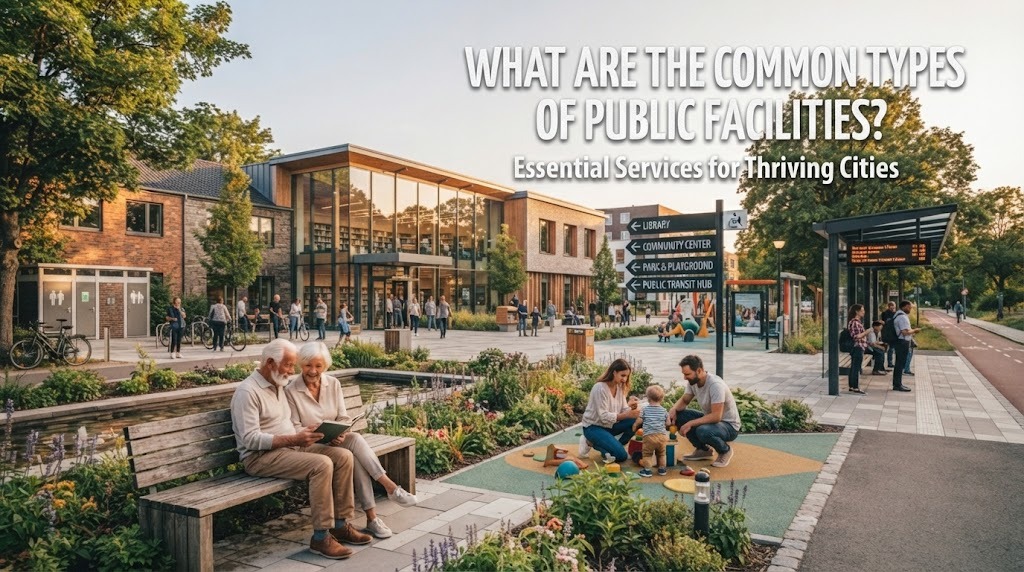
Public facilities are places, services, and infrastructure that are provided for people to use together. They support many parts of daily life, including transportation, education, healthcare, sanitation, recreation, and public services. The availability of these facilities can make communities more organized and easier to live in. Different areas may have different facilities depending on their population and local needs. Understanding the common types of public facilities can help people recognize their importance and use them responsibly.
ROADS AND TRANSPORTATION FACILITIES
Roads and transportation facilities are among the most commonly used public facilities. Roads, sidewalks, bridges, bus stops, train stations, and public transportation help people travel between different locations. They connect residential areas with schools, workplaces, markets, healthcare centers, and other important places. Safe and well-maintained transportation infrastructure can make daily travel easier and more efficient. Public transportation can also provide mobility for people who do not have access to private vehicles.
EDUCATIONAL FACILITIES
Educational facilities provide spaces and resources for learning and developing knowledge. Schools, libraries, public learning centers, and training facilities can serve children, teenagers, and adults. Schools provide structured learning, while libraries and learning centers can offer additional educational resources. A safe and suitable learning environment can help students participate more effectively in educational activities. Accessible educational facilities can support the development of skills and knowledge within a community.
HEALTHCARE FACILITIES
Healthcare facilities help communities access medical services and maintain their well-being. Common examples include hospitals, clinics, health centers, pharmacies, and community health facilities. These places can provide examinations, treatment, preventive services, and other forms of healthcare. Easy access is important because people may need medical assistance at different times and for different reasons. Clean, safe, and properly managed healthcare facilities can support better access to essential health services.
PUBLIC PARKS AND RECREATION AREAS
Public parks and recreation areas provide spaces for people to relax, exercise, and spend time outdoors. Parks, playgrounds, sports fields, and public gardens can be used by different age groups. Children can play in suitable areas, while adults can walk, exercise, or spend time with family and friends. Green spaces can also make urban environments more pleasant. Therefore, public recreation facilities can support physical activity, relaxation, and social interaction.
WATER AND SANITATION FACILITIES
Clean water and sanitation facilities are essential for maintaining public health and hygiene. Water supply systems, public toilets, drainage, wastewater systems, and sanitation facilities support basic needs in communities. These facilities are especially important in places where many people gather, such as markets, schools, transportation centers, and parks. Proper sanitation can help maintain cleaner public environments. Reliable water and sanitation infrastructure is an important part of a healthy community.
WASTE MANAGEMENT FACILITIES
Waste management facilities help communities handle household and public waste properly. Trash bins, waste collection services, recycling facilities, and waste processing centers can reduce the amount of waste left in public areas. Proper collection and disposal can help prevent unpleasant conditions and environmental problems. Waste separation can also support recycling and more efficient resource use. However, residents need to cooperate by disposing of waste properly and following local waste management rules.
PUBLIC SAFETY FACILITIES
Public safety facilities help reduce risks and support safer community environments. Examples include street lighting, traffic signs, pedestrian crossings, emergency exits, warning systems, and security posts. Good lighting can improve visibility in public areas, especially at night. Clear signs can help people understand traffic rules and emergency procedures. Regular maintenance is important because damaged safety facilities may create additional risks for users.
PUBLIC SERVICE FACILITIES
Communities also need facilities where people can access government and administrative services. Public service offices, community service centers, and administrative facilities can help residents manage documents, obtain information, and access various public services. These facilities should provide clear information and reasonable access for different users. Digital services can complement physical facilities, but direct service options can remain important for people who face barriers to online access. Accessible public services can make administrative processes easier for community members.
ACCESSIBLE AND INCLUSIVE FACILITIES
Public facilities should consider the needs of people with different ages and abilities. Ramps, handrails, accessible toilets, safe sidewalks, and clear information signs can help make shared spaces easier to use. People with disabilities and older adults may face difficulties when public facilities are not designed with accessibility in mind. Inclusive design can also benefit parents with young children and other users who need additional support. Accessible facilities help create public spaces that can be used by more members of the community.
CONCLUSION
There are many common types of public facilities that support different aspects of community life. Transportation, education, healthcare, recreation, sanitation, waste management, safety, and public services are among the facilities that people commonly need. Each community may have different priorities based on its population, environment, and local conditions. These facilities should be kept clean, safe, accessible, and properly maintained so they can continue serving the public. Responsible use and regular maintenance can help ensure that public facilities remain useful for everyone.
About the Author
Gusti Ayu Tita P
Author — STEKOM University
An active author focused on academic issues, educational technology, and human resource development in the campus environment.