
What Are the Dangers of Toxic Positivity When Facing Life Problems?
Gusti Ayu Tita P
11 September 2026
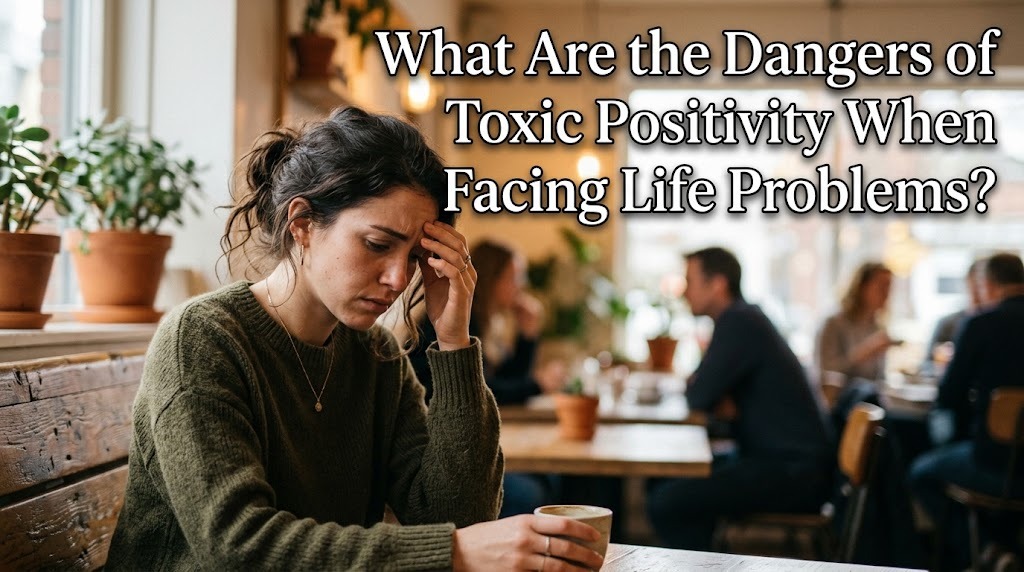
Toxic positivity happens when people feel pressured to stay positive while facing difficult situations. Although positive thinking can be helpful, forcing positivity can cause people to ignore real emotions and problems. Understanding its dangers can help people develop healthier ways to deal with life challenges.
IT CAN SUPPRESS EMOTIONS
One of the main dangers of toxic positivity is that it can make people suppress difficult emotions. Someone may feel sad, angry, worried, or disappointed but believe they should not express those feelings. Over time, these emotions may become harder to understand and manage. Accepting emotions is important because negative feelings are a normal part of life.
Suppressing emotions does not necessarily make them disappear. Instead, people may continue thinking about their problems without finding a healthy way to process them. Giving yourself permission to feel can be a better first step toward emotional recovery.
IT CAN MAKE PROBLEMS HARDER TO SOLVE
Toxic positivity can encourage people to focus only on the positive side of a situation while ignoring the actual problem. This may prevent them from identifying what needs to change. For example, someone facing financial difficulties may simply tell themselves that everything will be fine without creating a realistic plan. Positive thinking should support problem solving rather than replace it.
Facing problems honestly allows people to understand their situation and consider possible solutions. It is possible to remain hopeful while still recognizing that a problem requires attention and action.
IT CAN CREATE FEELINGS OF GUILT
People who believe they must always stay positive may feel guilty when they experience negative emotions. They might think they are failing because they cannot feel happy despite difficult circumstances. This can add emotional pressure to an already stressful situation.
Everyone experiences difficult emotions at different times. Feeling sad or frustrated does not mean that someone lacks gratitude or optimism. Understanding this can reduce unnecessary guilt and encourage healthier emotional acceptance.
IT CAN MAKE PEOPLE AVOID ASKING FOR HELP
Toxic positivity may also make people believe they should handle every problem on their own. They may hesitate to ask for support because they fear being seen as negative or weak. As a result, emotional or personal problems can become more difficult to manage.
Asking for help is a healthy response when a situation feels overwhelming. Talking with trusted people can provide emotional support, different perspectives, and practical ideas. Seeking professional help can also be appropriate when problems significantly affect daily life.
IT CAN DAMAGE RELATIONSHIPS
When people constantly respond to others with phrases that dismiss their struggles, relationships can become less supportive. Someone who shares a serious problem may feel unheard if the response immediately focuses on staying positive. Over time, this can reduce trust and make people less willing to communicate openly.
Healthy relationships require empathy and active listening. Instead of immediately trying to make someone feel positive, it can be more helpful to acknowledge their feelings and ask what kind of support they need.
HOW TO DEAL WITH LIFE PROBLEMS IN A HEALTHIER WAY
A healthier approach is to acknowledge difficult emotions while still looking for realistic solutions. People can give themselves time to process feelings, talk to trusted individuals, and identify practical steps to address their problems. Positive thinking can still be useful when it is based on realistic expectations rather than denial.
It is also important to remember that emotional health does not mean being happy all the time. Accepting both positive and negative experiences can help people become more resilient. By facing problems honestly and responding with self-compassion, people can develop healthier emotional habits.
CONCLUSION
The dangers of toxic positivity include emotional suppression, difficulty solving problems, unnecessary guilt, avoiding support, and damaged relationships. Staying positive should not mean pretending that difficult situations do not exist. A healthier approach is to acknowledge emotions, face problems realistically, and seek support when needed.
About the Author
Gusti Ayu Tita P
Author — STEKOM University
An active author focused on academic issues, educational technology, and human resource development in the campus environment.















