What Are The Effects Of Damaged Public Facilities On Communities?
Gusti Ayu Tita P
18 September 2026
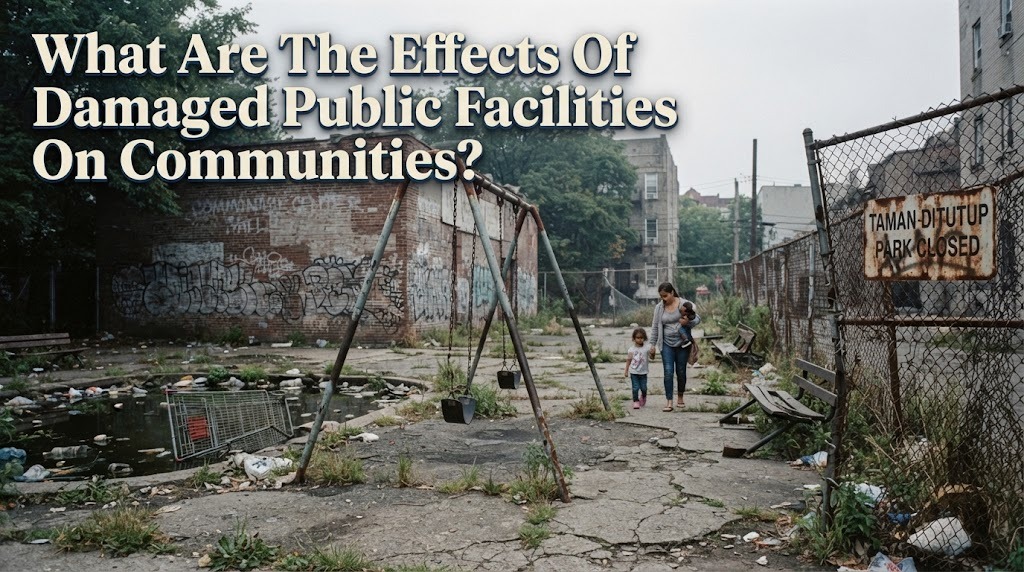
Public facilities are used by communities for transportation, education, healthcare, recreation, sanitation, and other daily activities. Roads, sidewalks, public toilets, parks, schools, and transportation facilities need regular maintenance to remain safe and useful. When these facilities become damaged, people may experience inconvenience, safety problems, and limited access. The effects can be felt by individuals, businesses, and the wider community. Therefore, maintaining public facilities is important for supporting a comfortable and functional community.
DISRUPTING DAILY ACTIVITIES
Damaged public facilities can make simple daily activities more difficult. Broken roads, damaged sidewalks, or malfunctioning transportation facilities may slow people down when they travel to school, work, markets, or other destinations. People may need to take longer routes or spend more time reaching their destinations. This can affect daily schedules and reduce convenience. Proper maintenance can help prevent these disruptions.
INCREASING SAFETY RISKS
One of the most serious effects of damaged facilities is the possibility of accidents and injuries. Potholes, broken stairs, uneven sidewalks, damaged playground equipment, and poor lighting can create hazards for users. Children, older adults, and people with mobility difficulties may face additional challenges in these conditions. Regular inspections can help identify dangerous problems before they become more serious. Quick repairs can help make public spaces safer.
REDUCING PUBLIC COMFORT
Damaged or poorly maintained facilities can reduce the comfort of community members. Dirty public toilets, broken benches, damaged shelters, or poorly maintained parks may discourage people from using these spaces. Uncomfortable facilities can also make waiting, traveling, or spending time outdoors less pleasant. When public spaces are clean and functional, people are more likely to use them. Facility quality therefore has an important effect on the public experience.
LIMITING ACCESSIBILITY
Damaged facilities can create additional barriers for people with disabilities and other users who need accessible environments. Broken ramps, blocked pathways, damaged tactile surfaces, or nonfunctional elevators can make movement more difficult. This may limit access to schools, workplaces, healthcare facilities, transportation, and recreational areas. Accessibility features need regular inspection and maintenance to remain useful. Keeping these facilities functional supports equal access for different members of the community.
AFFECTING EDUCATION AND HEALTHCARE
The condition of public facilities can influence access to important services such as education and healthcare. Damaged roads or transportation facilities may make it harder for students and patients to reach schools, hospitals, clinics, and other essential services. Poorly maintained buildings can also create an uncomfortable environment for students, teachers, patients, and workers. These problems may interfere with regular activities. Maintaining essential facilities helps communities access important services more effectively.
HARMING LOCAL ECONOMIC ACTIVITIES
Businesses can also be affected when public facilities are damaged. Poor roads, unreliable transportation, and uncomfortable public areas may make it harder for customers, employees, and suppliers to reach commercial locations. Delays in transportation can also affect the movement of goods. Areas with poorly maintained facilities may become less convenient for business activities. Maintaining public infrastructure can therefore support smoother local economic activity.
INCREASING REPAIR COSTS
Ignoring small problems can sometimes lead to more serious damage. Delayed maintenance may cause a minor issue to become a larger repair that requires more time, materials, and money. For example, a small crack or damaged surface can become worse when it is exposed to continued use and weather. Regular inspections can help identify problems at an earlier stage. Preventive maintenance can help manage public resources more efficiently.
REDUCING COMMUNITY ACTIVITIES
Damaged public spaces may discourage residents from using them for recreation and social activities. People may avoid parks, playgrounds, sports areas, or community spaces when they are unsafe or poorly maintained. This can reduce opportunities for exercise, relaxation, and social interaction. Public spaces are more useful when they are clean, safe, and functional. Good maintenance can encourage greater community participation.
AFFECTING PUBLIC TRUST
The condition of public facilities can influence people's experience with public services. When damaged facilities remain unrepaired for a long time, users may become frustrated with the quality of management. On the other hand, regular maintenance and timely repairs can demonstrate attention to community needs. Clear information about maintenance schedules and repairs can also help users understand how problems are being addressed. Effective facility management can contribute to a better public experience.
CONCLUSION
Damaged public facilities can have many negative effects on communities. They may disrupt daily activities, increase safety risks, reduce comfort, limit accessibility, and affect education, healthcare, and economic activities. Delayed repairs can also increase maintenance costs and reduce the use of public spaces. Regular inspections, preventive maintenance, and timely repairs are important for reducing these problems. By keeping public facilities safe and functional, communities can enjoy a more accessible, comfortable, and productive environment.
About the Author
Gusti Ayu Tita P
Author — STEKOM University
An active author focused on academic issues, educational technology, and human resource development in the campus environment.