What Are the Effects of Oversharing on Personal Data Security?
Gusti Ayu Tita P
18 September 2026
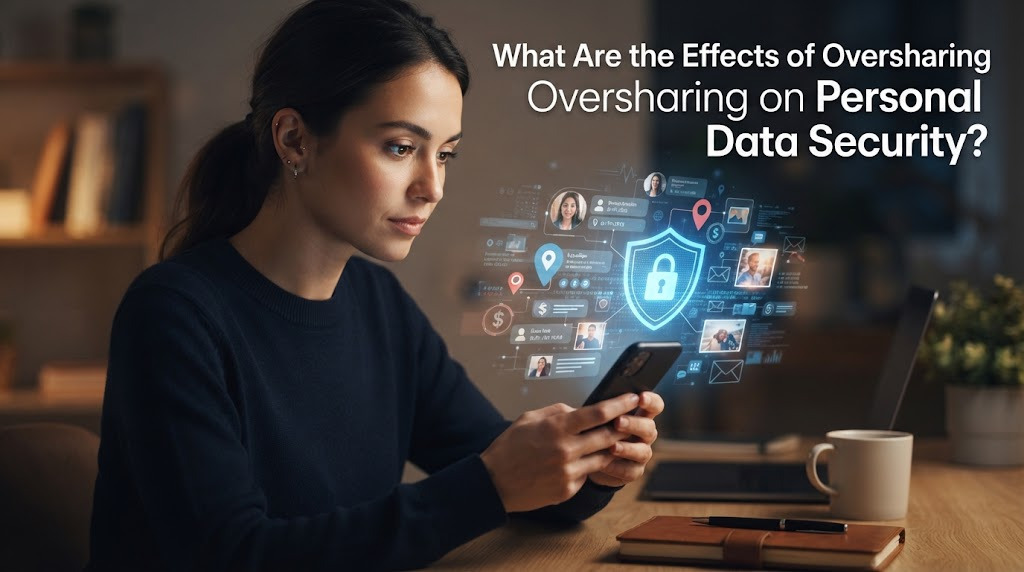
Oversharing can have a direct effect on personal data security because it exposes information that should often remain private. Personal data may include names, phone numbers, addresses, locations, photographs, financial details, or information about daily activities. When these details are shared publicly or with an unnecessarily large audience, they may become easier for others to collect and misuse. Digital platforms make sharing information simple, but users may not always realize the security risks involved. Understanding these effects can help people make safer decisions when communicating online.
HOW CAN OVERSHARING EXPOSE PERSONAL DATA?
Oversharing can expose personal data through social media posts, photos, videos, comments, and online conversations. A single post may reveal a person's name and location, while several posts can provide information about their routines, relationships, school, or workplace. Even information that seems harmless can become sensitive when combined with other details. This creates a larger digital profile that may be accessible to people outside the user's trusted circle.
Photos can also contain information that users may overlook. Backgrounds can show addresses, identification documents, school signs, vehicle information, or recognizable locations. Therefore, users should examine content carefully before publishing it. Protecting personal information requires attention not only to the main message but also to small details that may appear in shared content.
CAN OVERSHARING INCREASE THE RISK OF IDENTITY THEFT?
Excessive sharing can contribute to the risk of identity theft when sensitive information becomes available to unauthorized people. Details such as full names, dates of birth, addresses, identification numbers, or other identifying information can potentially be combined with information from different sources. The availability of these details does not automatically result in identity theft, but limiting unnecessary exposure can reduce opportunities for misuse.
People should therefore avoid publicly sharing information that can be used to identify or verify their identity. Documents, account details, financial information, and other sensitive records should receive particular protection. Strong passwords and additional security measures are also important. Good data protection habits can help reduce unnecessary exposure of valuable personal information.
HOW CAN OVERSHARING AFFECT ACCOUNT SECURITY?
Oversharing may also affect account security when users reveal information that can be connected to their accounts. People sometimes share details about birthdays, pets, favorite places, family members, or other personal information. Some of these details may be related to information used in account recovery or security questions. Publicly revealing too much information can therefore make it easier for others to understand a person's online profile.
Users should avoid sharing passwords, verification codes, recovery information, or screenshots containing account details. It is also important to use strong and unique passwords for important accounts. Enabling additional security features, such as multi-factor authentication when available, can provide another layer of protection. These measures are especially useful when combined with careful sharing habits.
WHAT ARE THE RISKS OF SHARING LOCATION AND DAILY ROUTINES?
Sharing real-time locations and daily routines can reveal patterns about where a person spends time. Regular posts may show a person's home area, workplace, school, favorite locations, or travel schedule. When this information is shared publicly, people outside the user's trusted circle may be able to observe these patterns. This can create unnecessary personal security and privacy concerns.
Travel posts can also reveal when someone is away from home. Instead of sharing sensitive information in real time, users may choose to post certain experiences later. Reviewing location permissions and avoiding unnecessary location tags can also support online safety. Being selective about location information can reduce the amount of personal data exposed online.
HOW CAN SHARED DATA BE MISUSED?
Personal information can potentially be used for scams, unwanted contact, impersonation, or other forms of misuse. For example, information from multiple public posts may help someone create a more convincing message or pretend to know the user. This does not mean every person who sees a public post has harmful intentions, but excessive information can increase the amount of data available to unknown individuals.
Overshared information can also spread beyond the original audience through screenshots, reposts, downloads, or forwarded messages. Once information has been copied, deleting the original post may not remove every version of it. This is why users should think about the possible long-term effects before sharing sensitive content. Careful digital privacy practices can help limit unnecessary exposure.
HOW CAN PEOPLE PROTECT THEIR PERSONAL DATA?
People can protect personal data by developing a think before you share habit. Before posting, users should consider whether the information is necessary, who can access it, and whether it could create security problems later. Sensitive information such as passwords, financial details, identification numbers, private addresses, and verification codes should not be shared publicly. Users should also regularly review privacy settings and account security options.
Another important step is to check old posts and remove unnecessary sensitive information when appropriate. Users can limit location sharing, review application permissions, and be careful when responding to unknown accounts. Protecting personal data is not only about using technology but also about developing responsible online behavior. Small changes in sharing habits can reduce unnecessary exposure and support stronger personal security.
CONCLUSION
Oversharing can weaken personal data security by exposing information that may be collected, combined, copied, or misused by others. Excessive sharing can increase privacy concerns involving identity, accounts, locations, and daily routines. Users can reduce these risks by limiting sensitive information, protecting account details, checking privacy settings, and thinking carefully before posting. Personal data protection requires both secure technology and responsible communication habits. By sharing information selectively, people can enjoy digital platforms while maintaining better control over their privacy and security.
About the Author
Gusti Ayu Tita P
Author — STEKOM University
An active author focused on academic issues, educational technology, and human resource development in the campus environment.