What Are the Effects of Oversharing on Your Social Media Image?
Gusti Ayu Tita P
18 September 2026
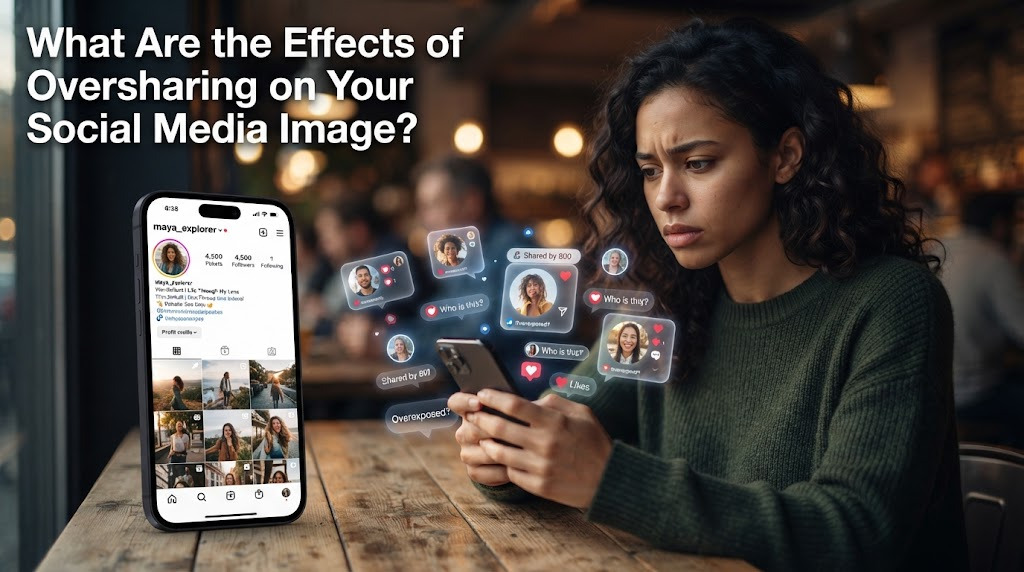
Social media allows people to share opinions, experiences, photos, and daily activities with others. However, sharing too much personal information can affect how other people perceive your social media image. Posts that seem harmless at first may create misunderstandings, privacy concerns, or an unwanted impression over time. Understanding the effects of oversharing can help users communicate online more carefully.
HOW CAN OVERSHARING AFFECT YOUR ONLINE IMAGE?
Oversharing can influence how friends, classmates, coworkers, and other users view a person online. Frequent posts about private problems, personal conflicts, or sensitive experiences may create an image that the person did not intend to present. People who see these posts may form opinions based on limited information and without knowing the full context. Your online image is influenced by the content you repeatedly share.
The effect can become more noticeable when old posts remain accessible for a long time. A person may change their opinions, lifestyle, or circumstances, but previous content can still appear on their profile. This is why users should think about both the immediate and long-term effects of their posts. Careful social media sharing can help create a more consistent and respectful online presence.
WHY CAN OVERSHARING CREATE A NEGATIVE IMPRESSION?
Oversharing does not automatically create a negative impression, but certain types of content may be interpreted differently by different audiences. Repeated complaints, arguments, private relationship details, or emotional posts can sometimes make others uncomfortable. The audience may also misunderstand the situation because they only see one side of the story. Context matters when people interpret social media content.
Another issue is that online audiences can include people with different backgrounds and expectations. A post that feels normal among close friends may appear inappropriate in a professional or educational setting. Before posting, users should consider who might see the content and how it could be interpreted. Limiting unnecessary personal details can reduce the possibility of unwanted impressions.
CAN OVERSHARING AFFECT PROFESSIONAL OPPORTUNITIES?
Public social media content can sometimes be viewed by people outside a person's close social circle. Depending on the situation, employers, professional contacts, organizations, or academic communities may encounter publicly available posts. Content involving private conflicts, offensive language, confidential information, or inappropriate behavior may affect how someone is perceived professionally. However, the impact depends on the specific content, audience, and circumstances.
People can protect their professional image by separating personal and professional content when appropriate. They should review older public posts and consider whether the information still represents how they want to present themselves. Privacy settings can also help control who can access certain content, although they do not guarantee complete privacy. A thoughtful social media profile can reduce unnecessary professional risks.
HOW CAN OVERSHARING AFFECT TRUST AND RELATIONSHIPS?
Oversharing can involve not only personal information but also information about other people. Posting private conversations, relationship problems, family matters, or friends' personal stories without permission may make others feel uncomfortable. This can affect trust and personal relationships, especially when people expect their private information to remain confidential. Once private information is posted publicly, controlling its distribution can become difficult.
Trust can also be affected when someone repeatedly shares information that others considered private. Friends or coworkers may become more cautious about what they tell that person. Respecting other people's boundaries is therefore just as important as protecting your own privacy. Responsible sharing helps maintain healthier online and offline relationships.
WHY CAN EMOTIONAL POSTS CHANGE HOW PEOPLE SEE YOU?
Strong emotions can influence what people post online. When someone is angry, disappointed, excited, or upset, they may share information before thinking about how it could be interpreted later. Emotional posts can provide an incomplete picture of a situation and may attract comments or reactions from people who do not know the full story. Posting during intense emotions can increase the chance of oversharing.
A useful approach is to pause before publishing emotionally sensitive content. Writing the message privately first and reviewing it later can help determine whether it really needs to be posted. If someone needs emotional support, discussing the situation privately with a trusted person may be more appropriate. Taking time before posting can protect both personal privacy and social media image.
HOW CAN YOU BUILD A POSITIVE SOCIAL MEDIA IMAGE?
Building a responsible social media image involves sharing content that reflects your interests, values, skills, and experiences while respecting privacy. Users can focus on useful, authentic, and appropriate content rather than revealing every detail of their personal lives. They should also avoid posting private information about other people without permission. Balanced sharing allows self-expression without unnecessary exposure.
It is also helpful to review your profile regularly. Check old posts, photos, comments, tagged content, and public profile information to see what others can access. Remove or limit content that contains unnecessary personal details or no longer represents you. Developing consistent social media privacy habits can help maintain greater control over your online image.
CONCLUSION
Oversharing can affect your social media image by influencing how other people interpret your personality, relationships, and behavior online. Repeatedly sharing private problems, emotional reactions, conflicts, or sensitive information may create misunderstandings and affect personal or professional relationships. Users can reduce these effects by thinking before posting, respecting other people's privacy, reviewing old content, and choosing appropriate audiences. Wise social media habits allow people to express themselves while maintaining privacy and a responsible online image.
About the Author
Gusti Ayu Tita P
Author — STEKOM University
An active author focused on academic issues, educational technology, and human resource development in the campus environment.