What Are The Effects Of Social Anxiety On Social Life?
Gusti Ayu Tita P
11 September 2026
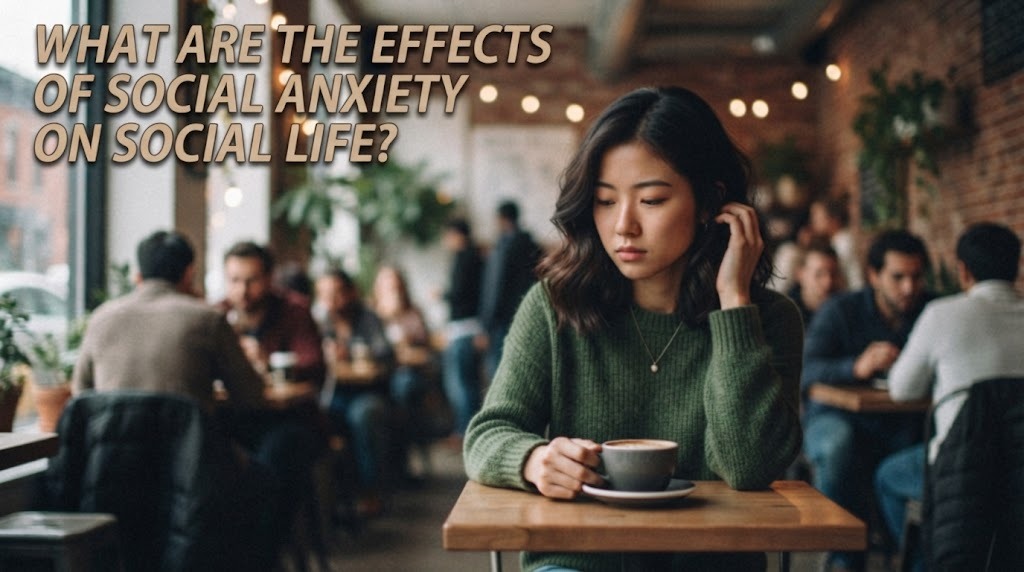
Social anxiety can have a significant effect on social life because it may make everyday interactions feel stressful or uncomfortable. People experiencing social anxiety may fear being judged, embarrassed, rejected, or negatively evaluated by others. These concerns can influence how they communicate, make friends, attend social activities, and maintain relationships. Over time, repeated anxiety may cause a person to avoid situations that involve other people. However, social anxiety can be managed, especially when a person understands its effects and seeks appropriate support.
The effects can be different for each person. Some people may experience mild discomfort in certain situations, while others may find that anxiety interferes with school, work, friendships, or family life. Understanding these effects can help people recognize unhealthy patterns and take gradual steps toward improvement.
DIFFICULTY COMMUNICATING WITH OTHERS
One common effect of social anxiety is difficulty communicating with other people. A person may worry about saying the wrong thing or being judged for their opinions. This can make simple conversations feel more complicated than they actually are. They may speak very quietly, avoid eye contact, or struggle to express their thoughts. Fear and overthinking can make communication feel exhausting.
These difficulties do not necessarily mean that someone lacks communication skills. In many cases, the person may know what they want to say but feel too nervous to express it. Practicing communication in comfortable and supportive situations can gradually make social interactions easier.
REDUCED SOCIAL PARTICIPATION
Social anxiety can cause people to participate less in social activities. They may avoid parties, group discussions, school events, meetings, or other situations where they expect to interact with others. Avoiding these activities can provide temporary relief from anxiety. However, repeated avoidance may reduce opportunities to develop social skills and meaningful connections.
Over time, a person may become less familiar with social situations, making future interactions feel even more difficult. Gradually participating in activities can help break this cycle. Small steps are often more manageable than forcing yourself into highly stressful situations immediately.
DIFFICULTY MAKING FRIENDS
Making new friends can become challenging when someone is afraid of being judged or rejected. A person may hesitate to introduce themselves, start conversations, or join group activities. They might also assume that others will not like them without having strong evidence for that belief. Negative assumptions can prevent potentially positive relationships from developing.
Social anxiety can also make it difficult to maintain friendships. Someone may avoid replying to messages or decline invitations because they feel nervous. Building friendships gradually and spending time with supportive people can create a safer environment for improving social confidence.
IMPACT ON EXISTING RELATIONSHIPS
Social anxiety can affect relationships that already exist. A person may withdraw from friends or family because social interaction feels overwhelming. Others may misunderstand this behavior and assume that the person is uninterested or does not care. In reality, anxiety may be responsible for the withdrawal rather than a lack of affection.
Open communication can help reduce misunderstandings. Explaining that social situations can sometimes feel difficult may help trusted people respond with greater understanding. Supportive relationships can make it easier to manage anxiety and remain socially connected.
INCREASED OVERTHINKING
Another effect of social anxiety is excessive overthinking about social interactions. A person may repeatedly analyze something they said or did during a conversation. They might worry that a small mistake made others think negatively about them. This can create additional stress even after the social situation has ended.
Overthinking may also make future interactions more frightening. Learning to recognize anxious thoughts without automatically believing them can be helpful. Not every uncomfortable interaction is a social failure, and most people do not analyze every small mistake made by others.
LOWER SELF CONFIDENCE
Social anxiety can gradually reduce self-confidence. When someone repeatedly worries about how others see them, they may begin to believe that they are not interesting, capable, or socially skilled enough. Avoiding social situations can reinforce these negative beliefs because the person has fewer opportunities to experience successful interactions.
Confidence can improve through gradual practice. Setting realistic social goals, recognizing personal strengths, and accepting small mistakes can help create a healthier self-image. Confidence develops through experience and progress rather than perfection.
EFFECTS ON SCHOOL AND WORK
Social anxiety can also influence performance in school or the workplace. Presentations, group projects, meetings, interviews, and conversations with teachers or coworkers may become stressful. A person may know the material but struggle to demonstrate their abilities because of anxiety. This can create frustration and may affect participation or opportunities.
The problem is not necessarily a lack of knowledge or ability. Anxiety can interfere with concentration and communication during stressful situations. Preparation, gradual exposure to challenging situations, and appropriate support can help people participate more comfortably.
FEELINGS OF LONELINESS
Although people with social anxiety may want meaningful connections, avoidance can sometimes lead to loneliness and isolation. Spending less time with others may reduce opportunities for emotional support and companionship. This can create a difficult cycle in which loneliness increases the desire for connection while anxiety makes connection feel difficult.
Maintaining even a few healthy relationships can make a meaningful difference. Regular contact with trusted friends or family members can provide emotional support without requiring constant social activity. Quality relationships are often more important than having a large social circle.
HOW CAN SOCIAL LIFE BE IMPROVED?
Improving social life while managing anxiety usually requires gradual and consistent changes. A person can begin with simple actions such as greeting someone, responding to messages, joining a small conversation, or attending a short social activity. Relaxation techniques such as slow breathing may also help reduce physical tension. Challenging negative thoughts can make social situations feel more realistic and manageable.
It is also important to avoid demanding immediate perfection. Progress may happen slowly, and occasional nervousness is normal. If social anxiety significantly interferes with relationships, school, work, or everyday activities, talking to a qualified mental health professional can provide useful support and treatment options.
CONCLUSION
Social anxiety can affect many parts of social life, including communication, friendships, family relationships, social participation, confidence, school, and work. Fear of judgment and excessive overthinking may cause people to avoid situations they actually want to experience. This avoidance can sometimes increase loneliness and make future interactions more difficult. However, social anxiety does not mean that someone is unable to build meaningful relationships.
With gradual practice, supportive relationships, realistic thinking, and professional help when needed, social confidence can improve. The goal is not to become completely fearless but to learn how to participate in social life despite occasional anxiety. Small steps can create meaningful progress over time.
About the Author
Gusti Ayu Tita P
Author — STEKOM University
An active author focused on academic issues, educational technology, and human resource development in the campus environment.