
What Are the Important Components of a Trip Budget?
Gusti Ayu Tita P
17 September 2026
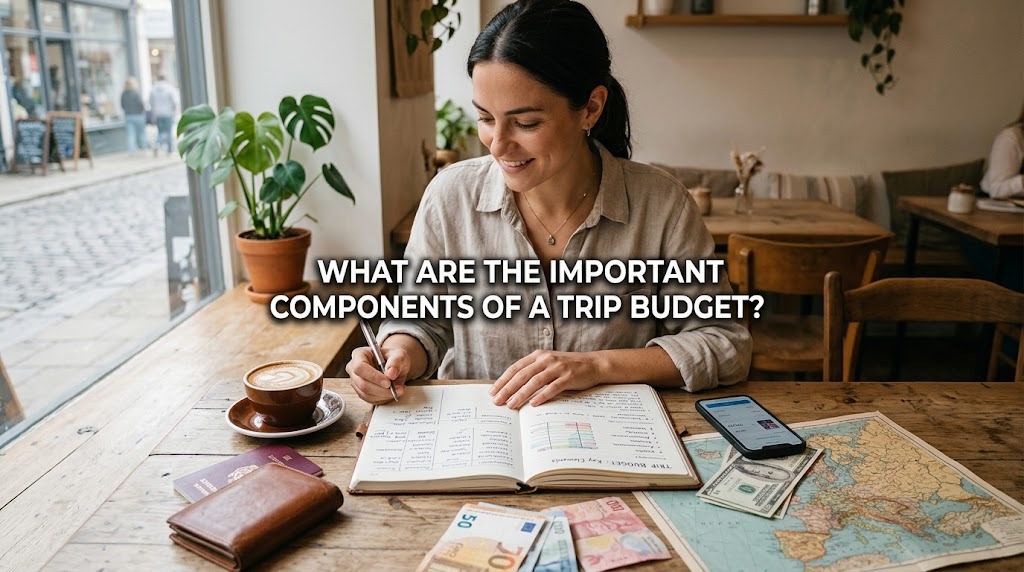
Planning a trip without a clear budget can make it difficult to control spending. A trip budget helps travelers estimate how much money they need before, during, and after a vacation. It also makes it easier to decide which expenses are essential and which ones can be reduced. A well-prepared budget can cover transportation, accommodation, food, activities, and unexpected costs. By understanding the important components of a trip budget, travelers can enjoy their journey with better financial control.
TRANSPORTATION COSTS
Transportation is one of the main components of a trip budget because it determines how much travelers need to spend to reach and explore their destination. The cost may include airfare, train tickets, bus fares, fuel, tolls, parking fees, airport transfers, and local transportation. Travelers should calculate both the cost of getting to the destination and the transportation expenses during the trip. Comparing different transportation options can help identify a practical choice that fits the available budget. It is also important to consider additional fees such as baggage charges or transportation transfers.
For local travel, travelers can estimate costs based on the number of trips they expect to make each day. Public transportation may be more affordable than taxis or private vehicles in some destinations. However, convenience and travel time should also be considered when making a decision. Booking transportation earlier may provide more predictable costs, although prices can vary depending on the destination, season, and booking period. Setting aside a specific transportation allowance helps prevent this category from taking too much of the overall budget.
ACCOMMODATION EXPENSES
Accommodation is another important part of a trip budget because travelers need a place to stay throughout their journey. The cost can vary depending on the hotel, hostel, guesthouse, apartment, or other type of lodging selected. Travelers should consider the nightly rate and multiply it by the number of nights they plan to stay. Additional expenses such as taxes, service charges, breakfast, parking, or extra guest fees may also affect the final price. Checking the complete cost before booking can help travelers avoid unexpected expenses.
Location is also an important factor when choosing accommodation. A cheaper room located far from tourist attractions may require more spending on transportation. In contrast, accommodation closer to major destinations may cost more but reduce daily transportation expenses. Travelers should therefore compare the total cost rather than focusing only on the room price. A reasonable accommodation budget should balance price, location, facilities, safety, and personal travel needs.
FOOD AND DAILY EXPENSES
Food should be included in every trip budget because travelers usually need to pay for meals, drinks, snacks, and other daily necessities. A simple way to estimate this cost is to determine an approximate daily food allowance and multiply it by the number of travel days. Travelers can create separate estimates for breakfast, lunch, dinner, and occasional snacks. Local restaurants, food markets, and affordable eateries may provide different price options depending on the destination. Drinking water and other small purchases should also be considered because they can accumulate over several days.
Daily expenses may also include toiletries, laundry, internet access, tips, and small personal purchases. These costs are often overlooked because each individual expense seems relatively small. However, frequent small purchases can significantly increase the total spending of a trip. Creating a daily spending limit can help travelers maintain better control. Recording expenses throughout the trip also makes it easier to identify whether spending is staying within the planned amount.
ACTIVITIES AND ENTERTAINMENT
Activities and entertainment are important components for travelers who want to visit attractions or participate in experiences at their destination. The budget may include entrance tickets, guided tours, cultural experiences, amusement parks, museums, recreational activities, and other attractions. Before traveling, travelers can make a list of activities they consider important and check their estimated prices. This makes it easier to prioritize experiences instead of spending randomly during the trip. Some attractions may also offer free admission on certain days or have discounted prices for specific groups.
Travelers should distinguish between planned activities and spontaneous activities. Planned activities can be included in the initial budget, while spontaneous experiences can be covered by a separate allowance. It is not necessary to visit every paid attraction to have an enjoyable vacation. Choosing activities that provide meaningful experiences can help travelers use their money more effectively. This approach allows the trip to remain enjoyable without putting unnecessary pressure on the overall budget.
EMERGENCY AND MISCELLANEOUS COSTS
An effective trip budget should include an emergency fund because unexpected expenses can occur at any time. Examples include medical costs, lost belongings, transportation changes, damaged luggage, unexpected accommodation needs, or other urgent situations. The amount required depends on the destination, trip length, travel style, and personal circumstances. Keeping this money separate from the regular daily budget can help ensure that it is available when genuinely needed. Travelers should avoid treating the emergency fund as extra spending money.
Miscellaneous expenses should also be considered when creating a budget. These may include souvenirs, gifts, additional baggage, currency exchange fees, communication costs, or small purchases that were not part of the original plan. A flexible category gives travelers room to handle these expenses without disrupting essential spending. Keeping receipts or recording purchases can help travelers understand where their money goes. Budget flexibility is especially useful when prices or plans change during a trip.
HOW TO ORGANIZE A COMPLETE TRIP BUDGET
After identifying the major components, travelers can combine them into a simple trip budget plan. The main categories can include transportation, accommodation, food, activities, emergency funds, and miscellaneous expenses. Each category should receive an estimated amount based on the destination, duration, travel style, and number of travelers. Adding all categories provides an estimated total cost that can be compared with the available funds. If the total is too high, travelers can adjust flexible categories before making reservations.
A practical budget should also leave some room for unexpected changes. Travelers can use a spreadsheet, budgeting application, or simple notes on their phone to record estimated and actual expenses. Comparing the two amounts during the trip can help prevent overspending. The budget should be realistic rather than excessively restrictive because travel also involves enjoyment and personal preferences. With careful planning, travelers can manage their money more confidently while still making the most of their vacation.
CONCLUSION
Understanding the important components of a trip budget makes travel planning more organized and realistic. Transportation, accommodation, food, activities, emergency funds, and miscellaneous expenses all contribute to the total cost of a trip. Each category should be estimated according to the destination, travel duration, and individual needs. Regularly tracking expenses can also help travelers stay within their financial limits. With a clear and flexible budget, travelers can enjoy their journey while maintaining better control over their finances.
About the Author
Gusti Ayu Tita P
Author — STEKOM University
An active author focused on academic issues, educational technology, and human resource development in the campus environment.















