
What Are the Main Responsibilities of a District Head?
Gusti Ayu Tita P
12 Agustus 2026
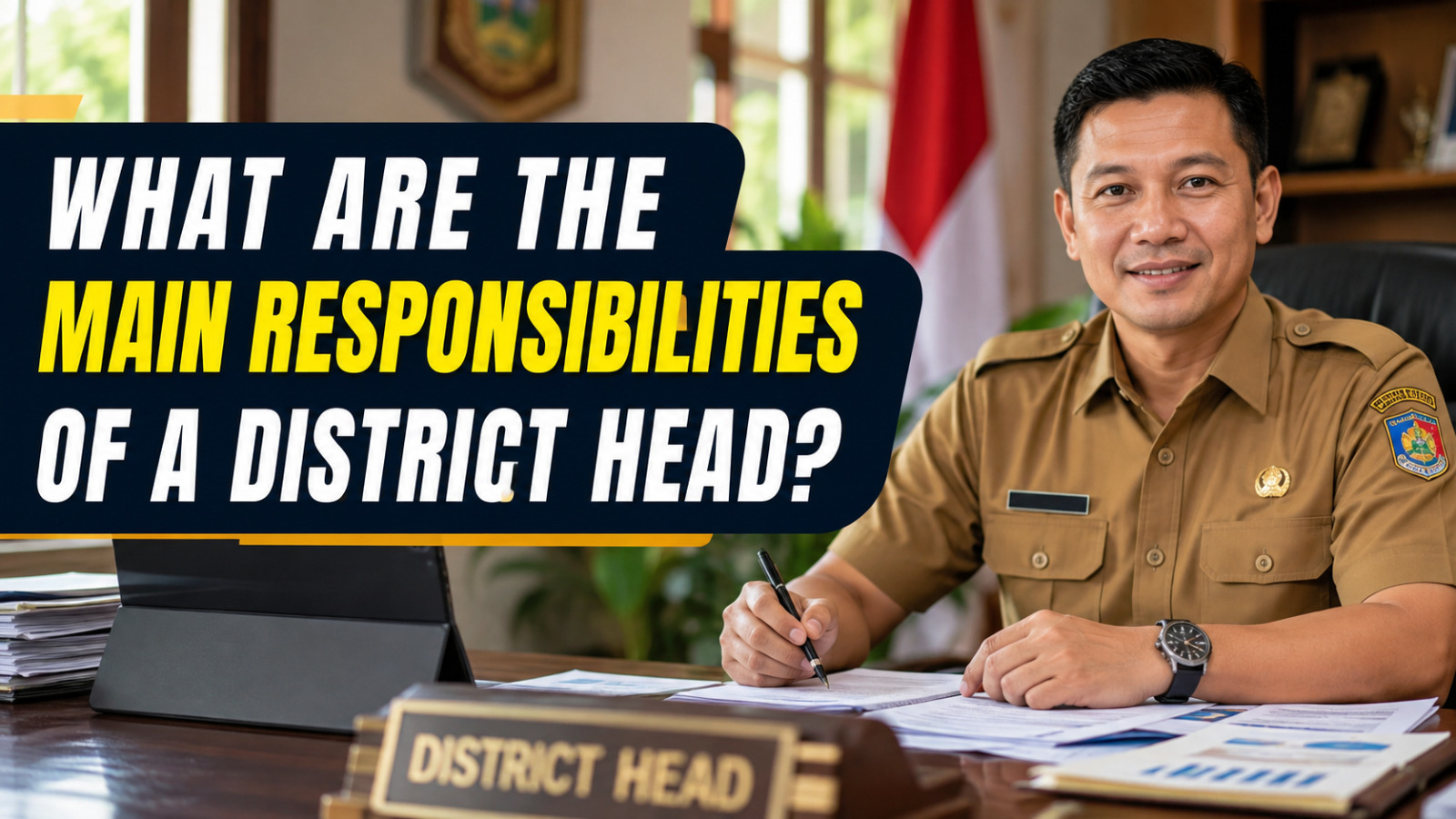
A District Head is an important local government official who helps coordinate government administration and public services within a district. In many administrative systems, the position serves as a link between higher levels of government and villages or communities. The District Head works to ensure that government programs are implemented properly at the local level. This role also involves coordinating public services, community development, and administrative activities. Understanding these responsibilities helps citizens recognize how local government contributes to their daily lives.
MANAGING LOCAL GOVERNMENT ADMINISTRATION
One of the main responsibilities of a District Head is managing and coordinating local government administration within the district. This includes ensuring that administrative procedures follow applicable laws, regulations, and government policies. The District Head also coordinates the work of local government staff and helps maintain effective communication between different government units. Proper administration is important because it allows public services and government programs to operate in an organized manner. Through good coordination, administrative problems can be identified and addressed more efficiently.
A District Head also monitors the implementation of government policies in the local area. This may involve reviewing reports, coordinating with village officials, and communicating local conditions to higher government authorities. Accurate administrative information can help the government make better decisions. The District Head must therefore encourage staff to work professionally and responsibly. Effective administration ultimately supports a more responsive local government.
IMPROVING PUBLIC SERVICES
Another major responsibility is helping improve public services for residents. District Heads coordinate services related to administration, community needs, social programs, and other government activities handled at the district level. They can identify service problems and encourage government units to find practical solutions. Good public services should be accessible, transparent, and responsive to citizens. The District Head plays an important role in making sure that these principles are applied in local government activities.
A District Head may also receive feedback from residents about problems with government services. Community feedback can provide valuable information about what needs to be improved. By coordinating with relevant officials, the District Head can help ensure that complaints and requests are handled appropriately. The use of digital systems can also make some administrative services faster and more convenient. These efforts can increase public satisfaction and strengthen trust in local government.
COORDINATING COMMUNITY DEVELOPMENT
District Heads also contribute to community development by coordinating programs that support local social and economic progress. These programs may involve education, health, infrastructure, social welfare, economic activities, environmental management, and community empowerment. The District Head does not normally work alone but coordinates with government agencies, village authorities, community organizations, and other stakeholders. This cooperation helps ensure that development programs reflect actual community needs. Effective coordination can also reduce overlapping programs and improve the use of public resources.
Community development requires continuous communication with residents. A District Head can encourage communities to participate in planning and implementing local programs. Public participation is important because residents understand many of the challenges faced in their own neighborhoods. When people are involved, development programs are more likely to receive community support. Strong cooperation between government and citizens can create more sustainable local development.
SUPPORTING VILLAGE AND COMMUNITY GOVERNANCE
In areas where districts coordinate with villages, the District Head has an important role in supporting communication between village governments and higher levels of government. The District Head can facilitate coordination, provide guidance within the authority granted by law, and help ensure that government programs are properly communicated. This does not mean that the District Head replaces the Village Head. Instead, both positions have different responsibilities within the local administrative structure.
The District Head can also help resolve coordination problems between government institutions and communities. Effective communication is essential when different parties have different priorities or interpretations of a program. By bringing relevant stakeholders together, the District Head can encourage cooperation and clarify responsibilities. This approach can prevent unnecessary misunderstandings. It also helps create a more coordinated system of local governance.
MAINTAINING PUBLIC ORDER AND COMMUNITY HARMONY
Maintaining a safe and orderly community is another important part of local government coordination. A District Head may coordinate with relevant agencies and community leaders regarding public order, social issues, disaster preparedness, and other local concerns. The District Head does not replace law enforcement agencies but works with them according to their respective authorities. Coordination is especially important when a local issue affects many residents. Early communication can help prevent small problems from becoming larger conflicts.
A District Head can also encourage residents to maintain social harmony and participate in community activities. Community cooperation can support efforts to address local problems peacefully and constructively. In situations involving emergencies or disasters, coordination between government institutions and communities can also help improve preparedness and response. These responsibilities demonstrate why communication and leadership are essential at the district level.
DEVELOPING EFFECTIVE LEADERSHIP AND ACCOUNTABILITY
A successful District Head needs strong leadership skills to coordinate different people, institutions, and programs. Communication, decision-making, problem-solving, teamwork, and integrity are valuable qualities for carrying out this responsibility. The District Head must understand government regulations while also recognizing the practical needs of residents. Good leadership should encourage government staff to provide services professionally. It should also promote responsibility and accountability in local administration.
Transparency and accountability are equally important in building public trust. Residents should be able to understand government programs and know how to communicate their concerns through appropriate channels. A District Head should support lawful and responsible use of public resources. Regular monitoring can help identify weaknesses and improve government performance. When leadership is professional and accountable, local government can become more effective and trusted by the community.
CONCLUSION
The main responsibilities of a District Head include managing local administration, coordinating public services, supporting community development, facilitating cooperation with village governments, and helping maintain public order. The position serves an important role in connecting government policies with conditions at the community level. A District Head must work with government agencies, village officials, community organizations, and residents to achieve common goals. Strong coordination, effective communication, accountability, and community participation are essential for successful local governance. By carrying out these responsibilities effectively, District Heads can help create public services and development programs that are more responsive to the needs of local communities.
About the Author
Gusti Ayu Tita P
Author — STEKOM University
An active author focused on academic issues, educational technology, and human resource development in the campus environment.















