
What Are the Requirements for Getting a Death Certificate?
Gusti Ayu Tita P
14 September 2026
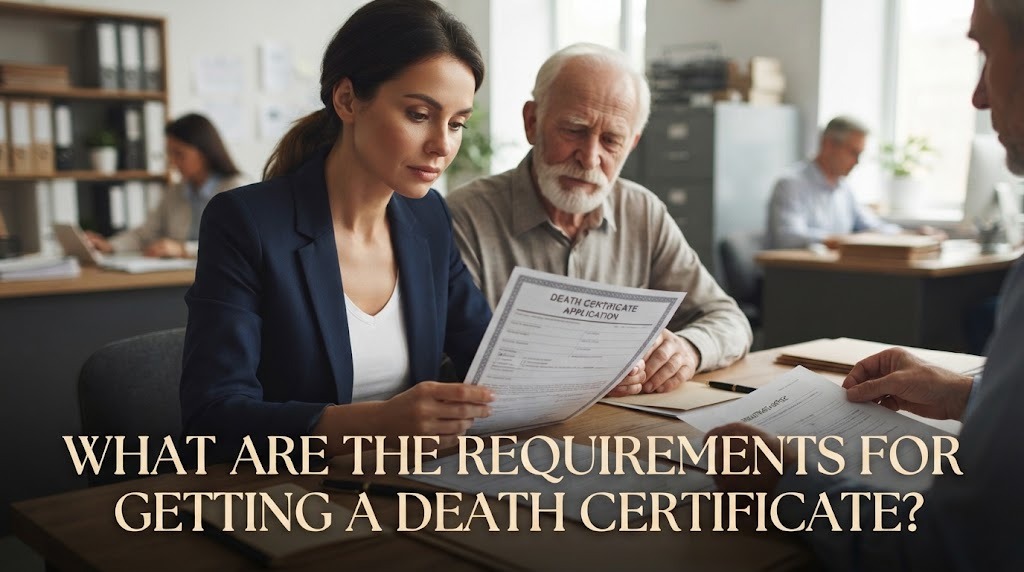
A death certificate is an official document that records the death of a person in the civil registration system. It is important for updating population records and handling various administrative matters after a family member dies. Before applying, applicants should understand the required documents so the registration process can proceed smoothly. Although the exact requirements may vary by country or local authority, several documents are commonly requested.
In Indonesia, death registration is handled through the civil registration system, generally involving the local Dinas Kependudukan dan Pencatatan Sipil or Disdukcapil. The requirements can differ depending on the circumstances of the death and the local service procedure. Therefore, applicants should always check the latest requirements with the relevant Disdukcapil office.
DEATH STATEMENT OR MEDICAL CERTIFICATE
One of the most important documents is a statement confirming the death. When a person dies at a hospital or healthcare facility, the family may receive a medical death statement from the facility. This document provides official information about the death and can be used as supporting evidence for civil registration.
If the death occurs at home or in another location, the required document may be issued by an authorized medical professional, village or neighborhood authority, or another institution according to local regulations. The exact form can therefore vary between areas. Applicants should make sure the document contains accurate information about the deceased. An incorrect or incomplete death statement can delay the registration process.
IDENTIFICATION DOCUMENTS OF THE DECEASED
The deceased person's identification documents may also be required when applying for a death certificate. In Indonesia, this can include the deceased person's KTP-el and other population documents. These documents help the civil registration officer verify the person's identity in the population database.
Applicants should check that the name, NIK, date of birth, and other information match the existing population records. If the documents contain different information, additional verification may be necessary. Providing accurate identification information helps prevent the death from being recorded under the wrong identity. It also supports the proper updating of the deceased person's population record.
FAMILY CARD
The Kartu Keluarga or Family Card can be an important supporting document in the death registration process. It helps establish the deceased person's relationship with other members of the household. It can also be used to update the family's population record after the death is registered.
The family should make sure that the Family Card information is still accurate. After the death has been officially recorded, the family's population information may need to be updated. This is especially important when the deceased person was listed as a member of the same household. Local Disdukcapil procedures determine how this update is carried out.
IDENTIFICATION OF THE APPLICANT
The person reporting the death may also need to provide identification. This allows the civil registration authority to verify who is submitting the application. In many cases, the applicant can be a family member or another person authorized to report the death under applicable regulations.
Applicants should prepare a valid identification document and make sure the information is readable. If another person is submitting the application on behalf of the family, additional authorization documents may be required. Requirements for representatives can differ depending on the local service system. Checking these requirements in advance can prevent unnecessary trips or delays.
ADDITIONAL DOCUMENTS FOR SPECIAL CASES
Some death registrations require additional documents because the circumstances are different from an ordinary death. For example, a death involving an unknown identity, a missing person whose body has not been found, or a death occurring under unusual circumstances may require additional evidence. In certain situations, a court determination or other official documentation may be necessary.
Applicants should not assume that the standard document list applies to every situation. The appropriate authority can explain which additional documents are required based on the circumstances. Providing the correct supporting documents is important for accurate civil registration. It also helps protect the integrity of population records.
HOW TO PREPARE THE REQUIREMENTS
Applicants should first check the official requirements provided by the local Disdukcapil. Prepare the original documents and copies or digital files when required by the service system. Make sure names, identification numbers, dates, and other personal information are consistent across the documents. If the application is submitted online, files should be clear and readable.
It is also useful to organize the documents before submitting the application. Keep proof of submission or an application number if the service provides one. If the authority requests additional information, respond according to the instructions given. Careful preparation can make the death certificate application more efficient and reduce the possibility of having to repeat the submission.
CONCLUSION
The main requirements for getting a death certificate generally include a death statement, the deceased person's identification documents, the Family Card, and identification of the person reporting the death. Additional documents may be required for special circumstances or according to local regulations. Because procedures can vary between regions, applicants should confirm the latest requirements with the relevant civil registration authority before applying. Preparing complete and accurate documents can help the registration process run more smoothly.
About the Author
Gusti Ayu Tita P
Author — STEKOM University
An active author focused on academic issues, educational technology, and human resource development in the campus environment.















