What Are the Rights of People Joining Public Protests?
Gusti Ayu Tita P
30 Juli 2026
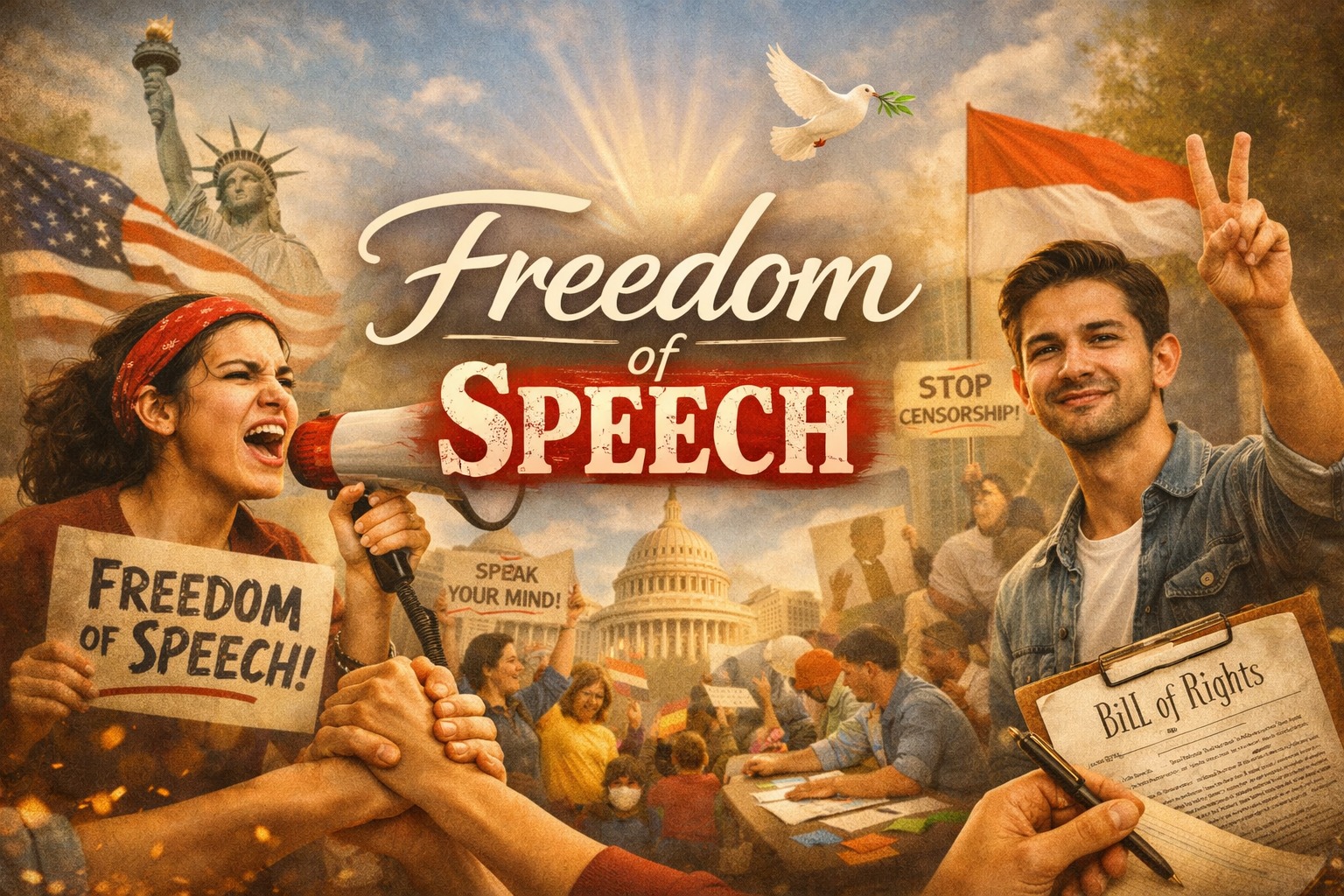
Public protests are an important part of a democratic society because they allow people to express their opinions, raise concerns, and encourage positive change. Whether people gather to support a cause or oppose a policy, they have certain legal rights that help protect their freedom of expression. However, these rights also come with responsibilities to ensure public safety and respect for others. Understanding these rights can help participants join demonstrations with greater confidence and awareness. This article explains the fundamental rights of people joining public protests and how they can exercise them responsibly.
UNDERSTANDING THE RIGHT TO PEACEFUL ASSEMBLY
The right to peaceful assembly is recognized in many democratic countries and international human rights agreements. It allows people to gather peacefully to express their opinions, concerns, or demands without unnecessary interference. Peaceful protests give communities a way to communicate with governments and decision-makers through collective action rather than violence. This right applies regardless of political opinions, social backgrounds, or personal beliefs.
Although this right is widely protected, it is not unlimited. Participants are generally expected to follow lawful regulations related to public safety, traffic management, and designated protest areas. Peaceful behavior is essential because violence or destruction of property may result in legal consequences. Knowing the legal framework before attending a protest helps individuals protect both their rights and their personal safety.
FREEDOM OF EXPRESSION DURING PUBLIC PROTESTS
A public protest is one way people exercise their freedom of expression. Participants may carry signs, deliver speeches, chant slogans, or distribute educational materials that communicate their views. These activities help bring attention to important public issues and encourage meaningful discussion among citizens and policymakers. Respectful communication often strengthens the credibility of a protest.
However, freedom of expression does not protect speech that directly incites violence, hatred, or criminal acts. Every participant should express opinions responsibly while respecting the rights and dignity of others. Staying calm and avoiding provocative behavior can help maintain a peaceful atmosphere throughout the demonstration. Responsible expression contributes to a more effective and respected protest.
THE RIGHT TO SAFETY AND FAIR TREATMENT
Everyone participating in a peaceful protest deserves fair treatment and reasonable protection under the law. Law enforcement officers are generally responsible for maintaining public order while respecting the rights of peaceful demonstrators. Their role includes protecting participants, preventing violence, and responding appropriately if public safety is threatened. Professional conduct benefits both authorities and protesters.
Participants should also take steps to protect themselves by remaining aware of their surroundings and following lawful instructions during emergencies. Keeping emergency contacts available and staying with trusted companions can improve personal safety. If individuals believe their rights have been violated, they may document the situation when it is safe and seek legal assistance afterward. Awareness and preparation help reduce unnecessary risks.
RESPONSIBILITIES THAT COME WITH PROTEST RIGHTS
Having the right to protest also means accepting certain responsibilities. Participants should avoid damaging public or private property, threatening others, or disrupting essential emergency services. Respecting local laws helps ensure that demonstrations remain peaceful and productive. Responsible behavior also increases public support for the cause being represented.
Cooperating with event organizers and following agreed guidelines can reduce confusion during large gatherings. Participants should avoid spreading false information or engaging in actions that could escalate tensions. Peaceful cooperation among protesters, organizers, and authorities creates a safer environment for everyone involved. Responsible actions strengthen the message behind the demonstration.
HOW TO PREPARE BEFORE JOINING A PUBLIC PROTEST
Preparation is an important part of participating in any public demonstration. Before attending, individuals should understand the purpose of the event, review local regulations, and learn about the planned route or meeting location. Wearing comfortable clothing, carrying water, and bringing identification can improve safety and convenience during the event. It is also wise to keep a fully charged mobile phone for communication.
Participants should inform family members or trusted friends about their plans before attending the protest. Following updates from official organizers helps individuals stay informed about schedule changes or safety announcements. Remaining calm and respectful throughout the event allows participants to contribute positively to the demonstration. Careful preparation helps ensure a safe, lawful, and meaningful experience.
CONCLUSION
Public protests play an essential role in encouraging civic participation and supporting democratic values. Understanding protest rights, freedom of expression, and peaceful assembly allows people to participate responsibly while respecting the law. At the same time, fulfilling personal responsibilities helps maintain safety, order, and public trust. When demonstrations remain peaceful and well-organized, they become a powerful way for communities to communicate with decision-makers. Knowing both rights and responsibilities is the key to effective and responsible civic engagement.
About the Author
Gusti Ayu Tita P
Author — STEKOM University
An active author focused on academic issues, educational technology, and human resource development in the campus environment.