What Are the Signs of Toxic Positivity You May Not Realize?
Gusti Ayu Tita P
11 September 2026
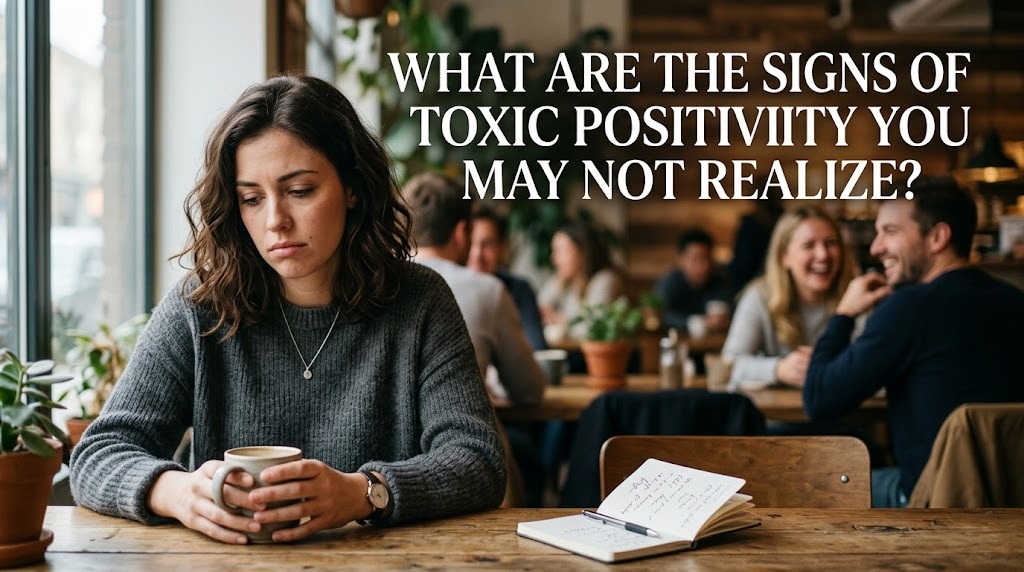
Positive thinking can help people stay hopeful when facing difficult situations. However, positivity can become unhealthy when someone feels forced to ignore sadness, disappointment, anger, or other uncomfortable emotions. This pattern is often called toxic positivity. It may happen without people realizing that they are dismissing their own feelings or those of others.
Toxic positivity does not always appear in an obvious way. It can be hidden behind motivational words, constant encouragement, or the belief that someone should always be grateful and happy. Understanding the signs can help people build a healthier relationship with their emotions and provide better support to others.
ALWAYS FORCING YOURSELF TO LOOK HAPPY
One common sign of toxic positivity is feeling the need to appear happy all the time. Someone may hide sadness, frustration, fear, or disappointment because they believe negative emotions should not be shown. They may continue smiling even when they are struggling internally. Over time, this habit can make it harder to recognize and understand their real emotions.
Being positive does not mean being happy every moment. Difficult emotions are a normal part of life and can provide important information about what someone is experiencing. Accepting those emotions can be healthier than constantly trying to hide them.
IGNORING NEGATIVE EMOTIONS
Toxic positivity can cause people to immediately reject uncomfortable emotions instead of understanding them. When something goes wrong, they may quickly tell themselves that everything is fine without processing what happened. This can provide temporary relief but does not necessarily solve the underlying problem. Suppressed emotions may return later, especially when similar situations occur.
Healthy emotional management starts with acknowledging what is being felt. A person can recognize sadness or disappointment while still looking for a solution. Accepting an emotion does not mean giving up or allowing the problem to control their life.
USING POSITIVE WORDS IN THE WRONG SITUATION
Positive words can be helpful when they match the situation. However, saying things such as stay positive, do not be sad, or everything happens for a reason when someone is experiencing a serious problem can feel dismissive. The person may feel that their emotions are not being understood. Even when the intention is good, the response may prevent an honest conversation.
A better approach is to listen before giving advice. Showing empathy can help someone feel accepted and understood. Encouragement can still be offered later, but it should not replace the person's need to express what they are experiencing.
FEELING GUILTY FOR BEING SAD
People affected by toxic positivity may believe that feeling sad means they are ungrateful or weak. They may compare their situation with people who appear to have bigger problems. This can create guilt whenever they experience difficult emotions. Eventually, they may stop talking about their feelings because they believe they should always be grateful.
Gratitude and sadness can exist at the same time. A person can appreciate the good things in life while still feeling disappointed about a particular situation. Recognizing this can help people accept their emotions without judging themselves.
CONSTANTLY COMPARING PROBLEMS WITH OTHER PEOPLE
Another sign is responding to someone's difficulties by comparing them with other people's problems. Statements such as other people have it worse may be intended to encourage gratitude. However, they can make someone feel that their own problems are not important enough to discuss. This can discourage emotional expression and meaningful communication.
Everyone experiences problems differently. What seems small to one person can be deeply difficult for another. Listening with empathy is generally more supportive than immediately comparing one person's situation with someone else's.
AVOIDING DIFFICULT CONVERSATIONS
Toxic positivity can also appear when someone avoids conversations about sadness, failure, conflict, or other difficult experiences. They may quickly change the subject or encourage others to think positively instead of listening. This can make people feel uncomfortable sharing their problems. Over time, relationships may become less emotionally open.
Being present does not always require having the perfect solution. Sometimes, simply listening without judgment is enough to provide meaningful support. People are often more willing to open up when they know their emotions will be accepted.
SEEING NEGATIVE EMOTIONS AS A WEAKNESS
Toxic positivity may create the belief that strong people should never cry, feel afraid, or become disappointed. This mindset can cause someone to hide emotions rather than process them. However, experiencing difficult emotions is not a sign of personal failure. Emotional strength involves recognizing feelings and responding to them in a healthy way.
Allowing emotions to exist can help people understand themselves better. Instead of asking why am I feeling this way and judging the emotion, they can ask what is causing this feeling and what do I need right now. This approach encourages self-awareness and healthier emotional regulation.
HOW TO AVOID TOXIC POSITIVITY
Avoiding toxic positivity starts with accepting that not every situation needs an immediate positive interpretation. When someone is struggling, give them space to explain what they feel before offering advice. Simple responses such as that sounds really difficult or I am here if you want to talk can provide emotional support without dismissing their experience. This creates a safer environment for honest communication.
The same principle applies when dealing with personal emotions. Instead of forcing yourself to feel positive immediately, acknowledge the emotion and consider what may have caused it. After processing the feeling, focus on practical steps that can improve the situation. Positive thinking becomes healthier when it is combined with emotional acceptance and realistic action.
CONCLUSION
Toxic positivity can be difficult to recognize because it often appears as encouragement or optimism. Its signs may include hiding negative emotions, forcing happiness, feeling guilty about sadness, comparing problems, and avoiding difficult conversations. Positive thinking is not harmful by itself, but it becomes unhealthy when it is used to deny real emotions. By listening with empathy and allowing difficult feelings to be expressed, people can develop healthier emotional habits and stronger relationships.
About the Author
Gusti Ayu Tita P
Author — STEKOM University
An active author focused on academic issues, educational technology, and human resource development in the campus environment.