What Are the Signs of Unhealthy Personal Boundaries in Relationships?
Gusti Ayu Tita P
11 September 2026
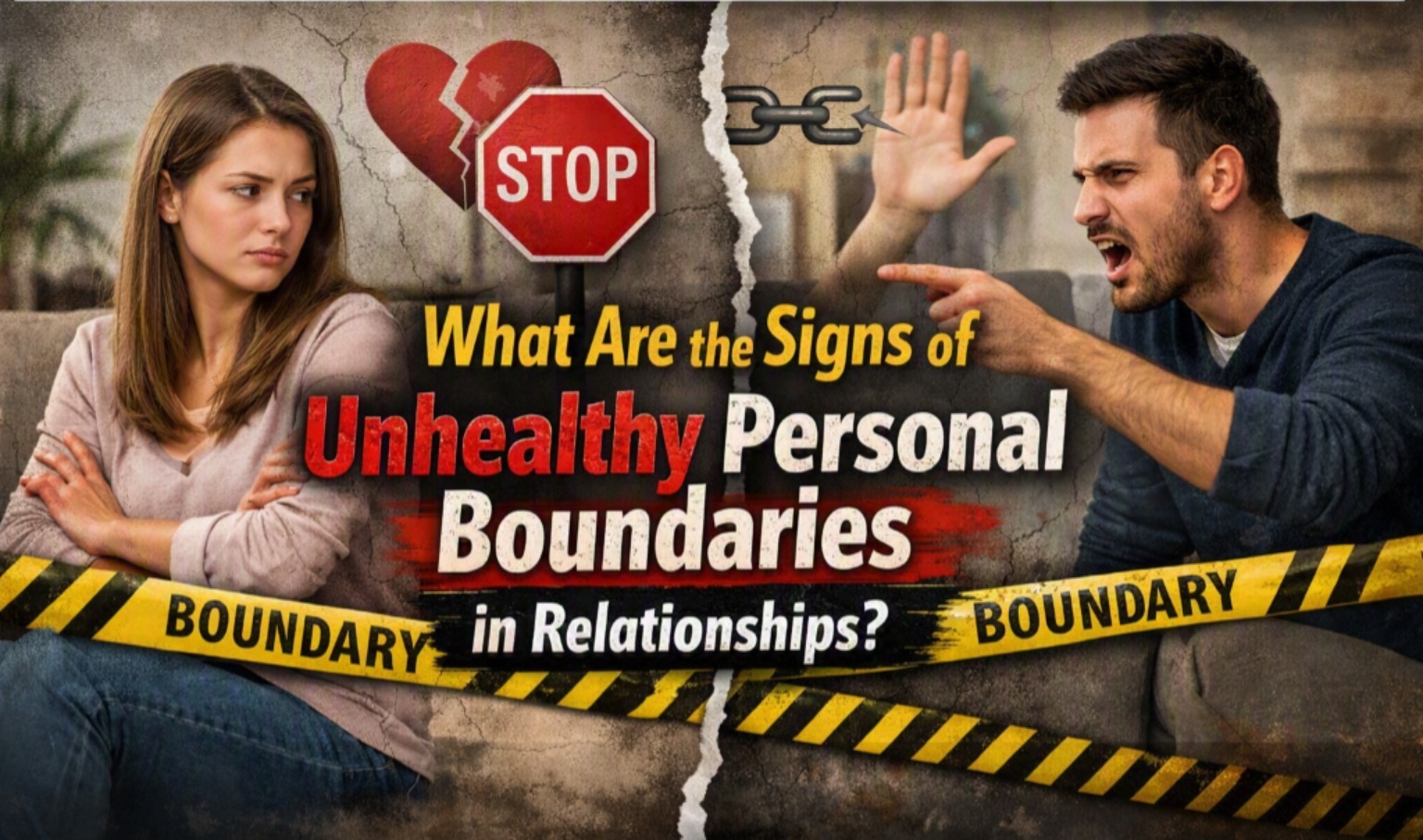
Healthy relationships need mutual respect, trust, communication, and clear personal boundaries. Boundaries help people understand what is comfortable, acceptable, and appropriate in a relationship. However, boundaries can become unhealthy when one person constantly ignores their own needs or tries to control another person's choices. This situation may gradually create stress, resentment, emotional exhaustion, and conflict.
Recognizing unhealthy personal boundaries is important because many people do not realize that certain behaviors are problematic. Someone may feel guilty when saying no, become overly dependent on a partner, or allow others to make important decisions for them. By understanding these warning signs, people can learn to communicate their needs more clearly and build healthier and more balanced relationships.
CONSTANTLY SAYING YES TO AVOID CONFLICT
One common sign of unhealthy boundaries is always agreeing with someone even when you actually disagree. A person may say yes because they are afraid of rejection, anger, disappointment, or conflict. Over time, constantly ignoring personal preferences can make someone feel emotionally tired and dissatisfied. They may also begin to believe that keeping other people happy is more important than taking care of themselves.
Healthy boundaries allow people to say no without excessive guilt. Disagreement does not automatically mean that a relationship is failing. People can have different opinions, needs, and priorities while still respecting each other. Learning to communicate a respectful no is an important part of maintaining personal boundaries.
FEELING GUILTY WHEN SETTING LIMITS
Another warning sign is feeling extremely guilty whenever you establish a personal limit. For example, someone may feel bad for asking for privacy, declining a request, or taking time for themselves. This guilt can make them repeatedly abandon their own needs just to avoid upsetting another person. Eventually, the relationship can become unbalanced because one person continually gives while the other receives.
Setting a boundary does not mean that someone is selfish or uncaring. A reasonable boundary simply communicates what a person needs to feel comfortable and respected. Healthy relationships allow both people to express their limits without being punished or manipulated. Understanding this difference can help reduce unnecessary guilt.
ALLOWING OTHERS TO CONTROL PERSONAL DECISIONS
Unhealthy boundaries can also appear when someone allows another person to control important parts of their life. This may include decisions about friendships, hobbies, clothing, work, finances, or personal time. While partners and close friends can offer advice, each person should generally retain appropriate control over their own choices. Excessive control can reduce independence and create an unhealthy power imbalance.
A healthy relationship supports personal autonomy. People can discuss major decisions together without assuming that one person has the right to make every decision. Respecting independence also helps both individuals maintain their identity outside the relationship. Cooperation should not require giving up personal freedom.
SHARING TOO MUCH PERSONAL INFORMATION
Boundaries can also become unhealthy when someone shares highly personal information too quickly or too frequently. They may discuss private experiences, relationship problems, finances, or sensitive details with people who have not earned that level of trust. Oversharing can sometimes create discomfort and make relationships feel emotionally overwhelming. It may also leave a person vulnerable if their private information is not treated responsibly.
Healthy communication involves understanding when, where, and with whom personal information should be shared. Trust usually develops gradually through consistent and respectful interactions. People have the right to keep certain experiences private even when they are close to someone. Privacy is not necessarily a sign of emotional distance.
EXPECTING CONSTANT ATTENTION AND AVAILABILITY
Another sign of unhealthy boundaries is expecting someone to always be available. A person may become upset when their partner or friend does not respond immediately to messages or wants to spend time alone. This expectation can create pressure and make ordinary personal activities feel like rejection. Over time, both people may feel stressed by the constant demand for attention.
Healthy relationships recognize that personal time is normal and necessary. People have responsibilities, interests, family connections, work, and other commitments outside the relationship. Not responding immediately does not automatically mean that someone does not care. Respecting personal time can actually strengthen trust and emotional security.
TAKING RESPONSIBILITY FOR SOMEONE ELSE'S FEELINGS
People with unhealthy boundaries may believe they are responsible for managing another person's emotions. They might constantly change their behavior to prevent someone from becoming angry, sad, or disappointed. While empathy and consideration are important, one person cannot completely control or fix another person's emotional reactions. Taking excessive responsibility can lead to anxiety and emotional exhaustion.
Healthy boundaries involve emotional responsibility. Each person should be encouraged to recognize and manage their own feelings while communicating openly about their needs. Supporting someone is different from carrying their entire emotional burden. A balanced relationship allows both people to care for each other without losing their own emotional independence.
IGNORING DISRESPECTFUL BEHAVIOR
Unhealthy boundaries may also be visible when someone continues accepting disrespectful behavior even after it has caused harm. Examples can include repeated insults, unwanted interference, constant criticism, or having personal requests deliberately ignored. A person may tolerate these behaviors because they fear losing the relationship. Repeatedly accepting disrespect can gradually weaken self-esteem and make unhealthy behavior seem normal.
Healthy boundaries require clear communication and consistent limits. When a behavior is unacceptable, it can be addressed directly and calmly when it is safe to do so. If someone repeatedly ignores reasonable boundaries, creating distance or seeking support may be necessary. In situations involving threats, intimidation, coercion, or abuse, professional or trusted support can be especially important.
HOW TO BUILD HEALTHIER PERSONAL BOUNDARIES?
Improving personal boundaries starts with identifying your needs, values, comfort levels, and limits. Pay attention to situations where you frequently feel resentful, pressured, exhausted, or uncomfortable. These feelings can provide useful clues that a boundary may need to be strengthened. Writing down recurring situations can also help identify patterns that are difficult to notice in everyday life.
The next step is communicating boundaries clearly and respectfully. Use simple statements that explain what you are comfortable with and what you are not willing to accept. For example, you can say that you need private time, cannot help at a particular moment, or do not want certain personal information discussed with others. Healthy boundaries should also include respect for other people's limits because boundaries work best when they are mutual.
CONCLUSION
Healthy personal boundaries help create relationships based on respect, trust, independence, and emotional safety. They allow people to remain connected without feeling that they must sacrifice their identity or personal needs. Clear boundaries can also reduce misunderstandings because everyone has a better understanding of what is acceptable. This makes communication more honest and constructive.
Most importantly, boundaries are not designed to create distance from people. They help create healthier forms of closeness by allowing individuals to care for each other while maintaining appropriate independence. Recognizing unhealthy boundary patterns is the first step toward changing them. With honest communication, mutual respect, and consistent limits, relationships can become more balanced and supportive.
About the Author
Gusti Ayu Tita P
Author — STEKOM University
An active author focused on academic issues, educational technology, and human resource development in the campus environment.