
What Causes Social Anxiety That People Often Do Not Realize?
Gusti Ayu Tita P
11 September 2026
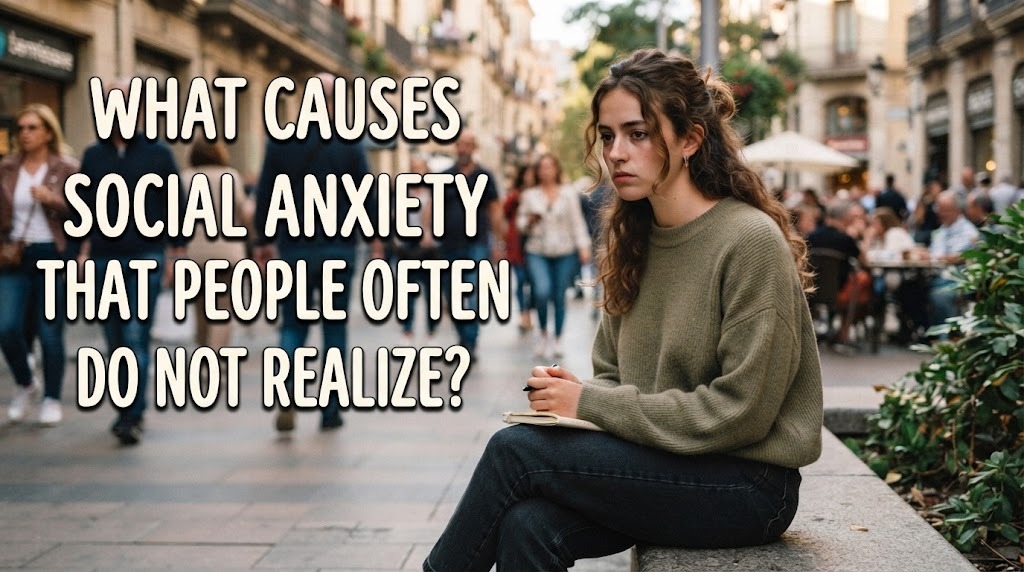
Social anxiety is more than simply feeling shy or nervous around other people. It can make everyday situations such as speaking in class, meeting new people, or attending social events feel extremely difficult. Some causes are easy to recognize, while others can develop slowly and go unnoticed. Understanding these hidden causes can help people recognize their feelings and find healthier ways to manage them.
FEAR OF BEING JUDGED BY OTHERS
One of the most common causes of social anxiety is the fear of negative judgment. A person may worry that others will think they are strange, boring, awkward, or not good enough. Even simple conversations can become stressful because they may constantly think about how they are being perceived.
This fear can become stronger when someone believes that every mistake will be noticed. Overthinking other people's opinions may increase anxiety before, during, and after a social interaction. As a result, the person may avoid situations where they have to communicate with others.
LOW SELF CONFIDENCE
Low self confidence can contribute to social anxiety because people may focus more on their weaknesses than their abilities. They might believe that they are not interesting enough to join a conversation or not capable enough to speak in front of others. These thoughts can make normal social situations feel threatening.
Negative beliefs about oneself can also develop gradually. When someone repeatedly compares themselves with others, their confidence may decrease even further. Building realistic and positive views about personal abilities can therefore be an important part of managing social anxiety.
NEGATIVE PAST EXPERIENCES
Unpleasant experiences can sometimes influence how someone feels in future social situations. Being embarrassed, criticized, rejected, or bullied may create a strong fear of experiencing something similar again. The person may begin to associate social interaction with embarrassment or danger.
However, one negative experience does not automatically mean someone will develop social anxiety. Many factors can influence the condition, including personality, environment, and ongoing stress. Recognizing the connection between past experiences and current fears can help a person understand their reactions better.
CONSTANT OVERTHINKING
Overthinking is another factor that people may not realize is connected to social anxiety. Someone may repeatedly imagine what could go wrong before meeting others or replay a conversation afterward. They might wonder whether they said something inappropriate or whether someone disliked them.
This mental cycle can increase anxiety even when there is little evidence that something went wrong. The more a person focuses on possible negative outcomes, the more threatening social situations may seem. Learning to question unrealistic thoughts can help reduce this pattern.
FEAR OF MAKING MISTAKES
People with social anxiety may have a strong fear of making mistakes in front of others. They may believe that even a small error will make them look foolish or incompetent. Because of this belief, they might avoid answering questions, giving presentations, or starting conversations.
In reality, mistakes are a normal part of communication. Most people are also focused on their own thoughts and activities rather than closely examining every mistake made by someone else. Developing a more realistic attitude toward mistakes can gradually reduce social pressure.
HIGH EXPECTATIONS OF PERFECTION
Perfectionism can make social situations more stressful than they need to be. Someone may feel that they must always say the right thing, look perfect, or behave confidently. When these expectations are impossible to meet, ordinary interactions can create significant worry.
Perfectionism can also cause people to avoid situations where they cannot control the outcome. They may choose silence instead of risking an imperfect response. Understanding that social interactions do not need to be perfect can make communication feel more natural.
LACK OF SOCIAL PRACTICE
Limited experience with social interaction can sometimes make communication feel unfamiliar and uncomfortable. A person who rarely participates in conversations may have fewer opportunities to develop social skills. This can create uncertainty about what to say or how to respond.
Avoiding social situations can then create a cycle. The less someone practices, the less confident they may feel, which can lead to even more avoidance. Gradual social practice can help build confidence without forcing someone to face overwhelming situations immediately.
STRESS AND LIFE CHANGES
High levels of stress can make anxiety more difficult to manage. Major changes such as moving to a new environment, starting school, entering a new workplace, or experiencing relationship problems may increase emotional pressure. During stressful periods, social situations can feel more difficult than usual.
Stress does not always directly cause social anxiety, but it can make existing anxiety stronger. Getting enough rest, maintaining healthy routines, and having supportive relationships can help reduce overall pressure. If anxiety continues to interfere with daily life, professional support may also be helpful.
WHEN SHOULD SOMEONE SEEK HELP?
Feeling nervous in social situations is common, but persistent and intense anxiety may require more attention. A person may benefit from professional help if anxiety regularly causes them to avoid school, work, relationships, or important activities. Physical symptoms such as sweating, trembling, rapid heartbeat, or nausea can also occur during stressful social situations.
A psychologist or other qualified mental health professional can help identify patterns behind the anxiety and provide appropriate strategies. Treatments such as cognitive behavioral therapy can be useful for many people with social anxiety. Seeking help is not a sign of weakness but a practical step toward improving daily life.
CONCLUSION
Social anxiety can have several contributing factors, and some of them may not be immediately obvious. Fear of judgment, low self confidence, negative experiences, overthinking, perfectionism, limited social practice, and high stress can all influence how someone responds to social situations. Understanding these factors can make it easier to recognize unhealthy patterns.
Social anxiety can be managed with the right strategies and support. Gradual practice, healthier thinking, social support, and professional guidance can help people become more comfortable in social situations. The goal is not to become perfect at communicating but to develop greater confidence and flexibility in everyday interactions.
About the Author
Gusti Ayu Tita P
Author — STEKOM University
An active author focused on academic issues, educational technology, and human resource development in the campus environment.















